
Election tribunal dismisses plea against acceptance of Miftah Ismail’s nomination
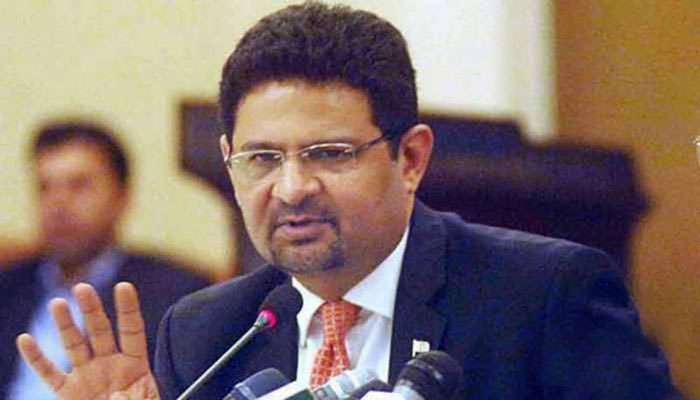
The appellate election tribunal at the Sindh High Court (SHC) on Friday dismissed the appeal against the acceptance of the nomination papers of Pakistan Muslim League-Nawaz (PML-N) candidate Miftah Ismail for the upcoming by-election in the Aational Assembly constituency NA-249 that comprises the Baldia Town locality of Karachi.
The appellant, Hasnain Ali Chohan, had submitted in the appeal that the returning officer of the Election Commission of Pakistan had not recorded the reasons for accepting the nomination papers of the PML-N candidate while rejecting his objections.
He alleged that the PML-N candidate had concealed his assets, liabilities, gifts mentioned in tax returns and details of vehicles in the nomination papers. The counsel for the appellant submitted that a figure of Rs122,452,497 and Rs35,000,000 were mentioned under the gift but the same were not disclosed in the form B of the nomination papers.
He submitted that Ismail was also facing a corruption reference before an accountability court that pertained to Rs47 billion losses to the national exchequer in an LNG contract, and requested the tribunal to reject the nomination papers of the respondent.
The counsel for Ismail controverted the allegations of the appellant and contended that the appellate tribunal had limited jurisdiction. He submitted that the respondent did not conceal any property, liability or other relevant information in his nomination papers and requested the tribunal to dismiss the appeal.
The appellate tribunal headed by Justice Mohammad Faisal Kamal Alam, after hearing the arguments of the counsels, observed that the crux of the arguments of the appellant’s counsel was non-disclosure of information by the candidate and it entailed penal consequences and even the election tribunal duly constituted under the law could declare that the candidate was not honest for withholding information from his voters irrespective of any details relating to financial obligations.
The tribunal observed that liability was created the moment a person took upon himself an obligation to settle the same and it was to be disclosed in the nomination forms and its non-disclosure entailed penal action and the candidate could be unseated from his membership of Parliament.
The tribunal observed that no information or material had been brought on record that prima facie showed that the respondent was a defaulter of loan, taxes and government dues. The tribunal observed that no interference in the order of the returning officer was required, and dismissed the appeal. The tribunal, however, observed that the appellant might bring fresh proceedings in terms of the elections law if some new development took place.







-
 'Too Hard To Be Without’: Woman Testifies Against Instagram And YouTube
 -
 Kendall Jenner Recalls Being ‘too Stressed’: 'I Want To Focus On Myself'
 -
 Dolly Parton Achieves Major Milestone For Children's Health Advocacy
 -
 Oilers Vs Kings: Darcy Kuemper Pulled After Allowing Four Goals In Second Period
 -
 Calgary Weather Warning As 30cm Snow And 130 Km/h Winds Expected
 -
 Maura Higgins Reveals Why She Wears Wigs On 'The Traitors' And What Her Real Hair Is Like
 -
 Brandi Glanville Reveals Shocking Link Of Facial Issues To Leaking Implants, Claims 'no' Support From Ex Eddie Cibrian
 -
 Who Is Rob Rausch’s Girlfriend? 'The Traitors' Winner Linked To Kansas City Woman
 -
 Bobby J. Brown, 'Law & Order' And 'The Wire' Actor, Dies At 62
 -
 Netflix Gives In As Paramount Offers Massive Breakup Fee To Step Away From Warner Bros. Discovery Bid
 -
 Who Won 'Traitors' Season 4? Rob Rausch Claims $220,800 Grand Prize
 -
 Niall Horan Shares Update On New Music On The Way
 -
 Backstreet Boys Member Brian Littrell Refiles Trespassing Lawsuit Against Florida Retiree
 -
 Kate Middleton Dubbed ‘conscious Shopper’ By Famous Fashion Expert
 -
 Princess Catherine Joins Volunteers In Newtown During Powys Visit
 -
 Shamed Andrew Thought BBC Interview Was ‘time To Shine,’ Says Staff