
Grave of slain Iraq commander, a new anti-US magnet
NAJAF, Iraq: A minibus stopped outside the world’s largest cemetery in the Iraqi Shiite holy city of Najaf. Five women got out, telephone cameras filming the scene, and dashed excitedly towards a grave. Clad in black, they joined wailing women and men beating their chests in grief at Wadi al-Salam (valley of peace), an ever expanding cemetery. All eyes were on the grave of Iraqi paramilitary commander Abu Mahdi al-Muhandis. Killed alongside top Iranian general Qasem Soleimani in a US drone strike in Baghdad on January 3, Muhandis is now revered as a martyred icon of anti-American resistance.
His grave has become a magnet for Shiites vowing vengeance against Washington. Below a life-sized portrait of the deceased commander, a young man kneeled before his grave, the wailing of women ringing around him. “May God avenge us from America,” the man screamed. Located along aisle nine of Wadi al-Salam, the commander’s final resting place has gained near-holy status. It has become a stop for the thousands of Shiite pilgrims who pass through Najaf each day to visit the tomb of Imam Ali, son-in-law of the Prophet Mohammed. “It is not just a grave, it has been transformed into a shrine,” Abbas Abdul Hussein, a security official at the cemetery, told AFP. “Men, women and children... flock from Iran, Lebanon and Bahrain daily to visit Abu Mahdi,” he said.
Washington’s number one enemy in Iraq, Muhandis was head of the Hashed al-Shaabi, an Iraqi military network largely incorporated into the state. He was Soleimani’s top Iraqi aide and widely seen as Tehran’s man in Baghdad. The US strike that killed Muhandis and Soleimani outside Baghdad airport dealt a severe blow to Tehran and its so-called axis of resistance that stretches across Iran, Iraq, Yemen and Lebanon. Iraq’s armed factions, the most hardline of which are financed, trained and armed by Iran, have vowed to avenge Muhandis’s death. They said America’s 5,200 troops in Iraq would have “hell” to pay. But almost two months after the assassination, there has yet to be a heavy response, apart from Iranian missile strikes on January 8.
As well as the grave at Wadi Salam, a small altar has been erected at the site of Muhandis’s death at the entrance to Baghdad airport. Dressed in black from head-to-toe, Um Hussein said she made a 450-kilometre (280-mile) trek from Basra in southern Iraq to pay homage at the grave.






-
 Shocking Details Emerge In Martin Short’s Daughter Katherine's Death Investigation: 'Kept To Herself'
 -
 Yerin Ha On Stepping Into The Spotlight In Bridgerton Season Four
 -
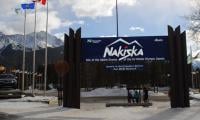 Nakiska Ski Area Avalanche Leaves Youth Unresponsive, Second Skier Escapes Unhurt
 -
 Igor Komarov Missing In Bali: Seven Foreign Suspects Arrested In Kidnapping Probe
 -
 'I Swear' Director Kirk Jones Says Bafta Broadcast Mishap Failed Tourette’s Advocate
 -
 Yogurt Shop Murders Solved: 1991 Austin Cold Case Finally Linked To Serial Killer
 -
 Iran Tensions Rise As Trump Says He Is 'not Thrilled' With Nuclear Negotiations
 -
 Where Is Calvin Klein's Wife Kelly Klein Now After Divorce And Fashion Fame?
 -
 Kourtney Kardashian’s Role As Stepmother Questioned
 -
 Neil Sedaka Dies At 86 After Hospitalisation In Los Angeles
 -
 'Lizzie McGuire' Star Robert Carradine's Reason Of Death Laid Bare
 -
 Lisa Rinna Breaks Silence After Recent Reunion With Andy Cohen: 'I've Pissed Him Off'
 -
 Savannah Guthrie Mom Update: Unexpected Visitors Spark Mystery Outside Nancy's Home
 -
 Elle Fanning Shares Detail About Upcoming Oscars Night Plan With Surprise Date
 -
 Demi Lovato Spills Go-to Trick To Beat Social Anxiety At Parties
 -
 Benny Blanco Looks Back At The Time Selena Gomez Lost Her Handrwritten Vows Days Before Wedding