
Educational journey
Pakistan’s struggle to educate its children continues till today. The Annual Status of Education Report released by the NGO Idara-I-Taleem-o-Aagahi recently indicates that, while small improvements have been made, huge gender and regional discrepancies remain in place across the educational sector. The detailed report is based on a survey of 4,527 villages and over 250,000 children aged between three and 16 years located in 154 districts of Pakistan. For 2018, Gilgit-Baltistan was added to the survey. The findings show a struggle in many parts of the country to attain basic learning skills with 48 percent of fifth graders in public and private schools unable to read a sentence in English and 44 percent unable to read a story in Urdu, Sindhi or Pashto. The fifth graders also struggled with two-digit division. There had been an improvement in enrollment across the country with 83 percent enrolled in schools for 2017-18 compared to 81 percent to 2016-17. Punjab, Sindh, Khyber Pakthunkhwa and Gilgit-Baltistan had all made progress in ensuring enrollment. AJK topped the enrollment list with 95 percent enrollment followed by GB and Islamabad with 91 percent each. Pupils from AJK also demonstrated the highest levels of achievement in primary level maths, reading and writing.
The focus on primary level education was intended to gauge Pakistan’s ability to implement Article 25-A of its constitution, which requires universal access to primary level education. The report has also assessed Pakistan’s attainments in terms of meeting MDGs it had committed to. The survey has found that the level of training for teachers at public schools is lower than those at private schools while private schools for the most part also offer more facilities in terms of toilets, drinking water, boundary walls and libraries. Teacher attendance rates stood at 88 percent in both the public and private sector. The need for improved access to technology such as computers is visible at government schools.
As with previous surveys, the latest study highlights a difference between gender and region in terms of access to education. The gaps between boys and girls, and between regions in Balochistan which have very low enrollment rates and those with far higher percentages of children going to schools need to be closed. The right to education must be made available to every child in the country no matter where he or she lives and regardless of gender or other factors. While the improvements made are encouraging, more still needs to be done to improve standards of teaching and ensure that children receive an education which is meaningful and of use to them in their later lives.





-
 Bad Bunny Faces Major Rumour About Personal Life Ahead Of Super Bowl Performance
 -
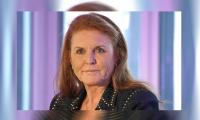 Sarah Ferguson’s Links To Jeffrey Epstein Get More Entangled As Expert Talks Of A Testimony Call
 -
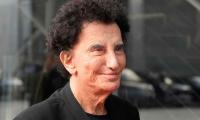 France Opens Probe Against Former Minister Lang After Epstein File Dump
 -
 Last Part Of Lil Jon Statement On Son's Death Melts Hearts, Police Suggest Mental Health Issues
 -
 Leonardo DiCaprio's Girlfriend Vittoria Ceretti Given 'greatest Honor Of Her Life'
 -
 Beatrice, Eugenie’s Reaction Comes Out After Epstein Files Expose Their Personal Lives Even More
 -
 Will Smith Couldn't Make This Dog Part Of His Family: Here's Why
 -
 Kylie Jenner In Full Nesting Mode With Timothee Chalamet: ‘Pregnancy No Surprise Now’
 -
 Laura Dern Reflects On Being Rejected Due To Something She Can't Help
 -
 HBO Axed Naomi Watts's 'Game Of Thrones' Sequel For This Reason
 -
 King Charles' Sandringham Estate Gets 'public Safety Message' After Andrew Move
 -
 Lewis Capaldi Sends Taylor Swift Sweet Message After 'Opalite' Video Role
 -
 Brooklyn Beckham Plunges Victoria, David Beckham Into Marital Woes: ‘They’re Exhausted As It Seeps Into Marriage
 -
 Sarah Ferguson Joins Andrew In ‘forcing’ Their Daughters Hand: ‘She Can Lose Everything’
 -
 'Bridgerton' Author Reveals If Actors Will Be Recast In Future Seasons
 -
 50 Cent Super Bowl Ad Goes Viral