
Bristol-Myers Squibb to face suit
Washington: A federal US judge has ruled pharmaceutical company Bristol-Myers Squibb, Johns Hopkins University and the Rockefeller Foundation must face a $1 billion lawsuit over their roles in a 1940s medical experiment that saw hundreds of Guatemalans infected with syphilis.
Around 774 Guatemalan victims and relatives in 2015 launched a civil suit over the US-led experiment, which aimed to find out if penicillin could be used to prevent sexually transmitted diseases.
They claimed the experiment "subjected them or their family members to medical experiments in Guatemala without their knowledge or consent during the 1940s and 1950s."
US District Judge Theodore Chuang rejected arguments from the defense that a recent Supreme Court decision protecting foreign companies from US lawsuits over human rights abuses abroad also applied to domestic firms.





-
 Katie Price Seen With New Hubby Lee Andrews Weeks After Tying The Knot
 -
 Biggest Order Yet Issued Against Andrew Mountbatten-Windsor: King Charles You Have To’
 -
 ByteDance’s Seedance 2.0 Marks New Era Of Cinematic AI-generated Videos: Here’s How
 -
 Struggling With Obesity? Here's How To Manage It
 -
 How Epstein Scandals Are Impacting King Charles’ Healing As Stress Refuses To Relent: ‘Could Spell His End’
 -
 Ciara, Russell Wilson Become Matchmakers For Pals?
 -
 Why Prince William Releases Statement On Epstein Scandal Amid Most 'challenging' Diplomatic Trip?
 -
 Historic Mental Health Facility Closes Its Doors
 -
 Top 5 Easy Hair Fall Remedies For The Winter
 -
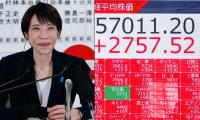 Japan Elections: Stock Surges Record High As PM Sanae Takaichi Secures Historic Victory
 -
 Prince William, Kate Middleton Finally Address Epstein Scandal For First Time: 'Deeply Concerned'
 -
 Kim Kardashian Promised THIS To Lewis Hamilton At The 2026 Super Bowl?
 -
 Andrew Mountbatten-Windsor Throws King Charles A Diplomatic Crisis
 -
 Barack Obama Hails Seahawks Super Bowl Win, Calls Defense ‘special’
 -
 Pregnant Women With Depression Likely To Have Kids With Autism
 -
 $44B Sent By Mistake: South Korea Demands Tougher Crypto Regulations