
Quetta attack
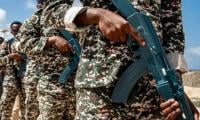
Two separate suicide attacks on law-enforcement officials in Quetta on Tuesday served a chilling reminder of the threat militant groups – many of whom have been active in the provincial capital – still pose to the country. First, two suicide bombers attacked a Frontier Corps checkpost, injuring eight people before they were killed by FC personnel. Soon after, a militant on a motorcycle drove his vehicle into a police truck near the airport. The attack took the lives of six police officers. So far, no militant group has claimed responsibility for the attacks and investigations are ongoing. These attacks follow a pattern where security forces are singled out for attacks. Last year, there were at least four different suicide attacks on the police, paramilitary forces and the army. Apart from the TTP, in recent years the Islamic State has gained strength in Balochistan while groups like the Lashkar-e-Jhangvi have targeted minority groups. It is now the responsibility of the authorities to thoroughly investigate these incidents and find out which group is responsible. Law-enforcement officials daily risk their lives to keep us safe. Tracking down those who was behind them is the least that can be done.
When militants have declared war on the entire country and a list of potential targets is practically limitless, preventing individual attacks can seem impossible. But the ability of militant groups to strike anywhere, at any time cannot be seen as anything other than a failure of the National Action Plan. For all our undeniable successes in clearing the tribal areas of the militant infestation and the significant drop in casualties from attacks in the last couple of years, it is clear that fighting this war requires us not just to prevail on the battlefield but to improve our intelligence capabilities. Above all, we need to fight the poisonous ideology all militant groups share. One reason militant groups have been able to operate so freely in Balochistan is because for too many years Pakistan’s state and society stood idly by as sectarian terror outfits targeted Hazara Shias, Hindus and other minority groups. The recent spate of attacks shows how only a zero-tolerance policy towards militancy will make us safer.






-
 'The Wrong Paris' Star Veronica Long Shares What New Crime Series 'Blue Skies' Is About
 -
 King Charles Remains Immersed In Work Amid Andrew Scrutiny
 -
 Bobby J. Brown's Passing Adds To Growing List Of Celebrity Deaths In 2026
 -
 Prince William Fears For Andrew's Mental Health
 -
 Paige DeSorbo Breaks Silence On New Relationship With Joe D'Amelio
 -
 'Marshals' Showrunner Reveals If Kayce And Beth Will Cross Paths In 'Yellowstone' Spinoff
 -
 Belgium Watchdog Launches Antitrust Probe Into Google Ads Business
 -
 Andrew Ready To Fight Back: 'He's Very Vengeful'
 -
 After Surpassing 100 Million YouTube Subscribers, BLACKPINK Returns With New Release
 -
 Rihanna Sends Fans Into Frenzy With BTS Footage Of Music Making: Watch
 -
 More Americans Say They Sympathise With Palestinians Than Israelis, Poll Finds
 -
 Princess Finally Releases Meghan Markle, Prince Harry's Photos
 -
 Victoria Beckham Makes Exciting Announcement Amid Ongoing Rift With Brooklyn Beckham
 -
 King Charles Receives Major Blow After Meghan Markle, Harry's Trip
 -
 Kate Middleton Apologizes After Her Umbrella Bumps Child's Head
 -
 Retired US Fighter Pilot Arrested Over Alleged Training Of Chinese Military