
Pakistan to chair UN Taliban Sanctions Committee
These groups focus on improving working methods, transparency, and effectiveness of UN sanctions regimes
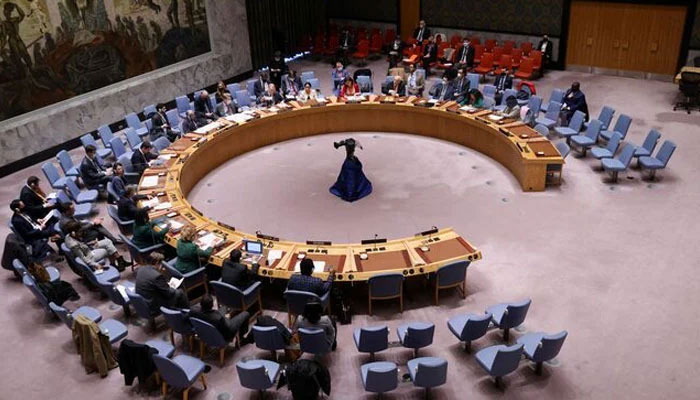
KARACHI: Pakistan has assumed the chairmanship of the United Nations Security Council’s (UNSC) 1988 Sanctions Committee, which oversees sanctions targeting the Taliban.
In a statement on Wednesday, the Permanent Mission of Pakistan to the UN said the appointment reinforces Islamabad’s growing role in global diplomatic and counterterrorism efforts. Pakistan has also been named vice-chair of the UNSC’s Counter-Terrorism Committee. The 1988 Sanctions Committee is tasked with implementing measures such as travel bans, asset freezes, and arms embargoes against individuals and entities associated with the Taliban. Pakistan’s leadership of the committee positions it at the centre of deliberations on Afghanistan’s future, where it continues to advocate for a constructive, regionally led approach.
The statement further highlighted that Islamabad has also been appointed co-chair of the Security Council’s Informal Working Group on documentation and the newly established Informal Working Group on Sanctions. These groups focus on improving the working methods, transparency, and effectiveness of UN sanctions regimes.
The development has triggered several Indian commentators and media outlets on X (formerly Twitter), many of whom expressed surprise over what they view as a diplomatic setback. They reiterated the Indian government’s narrative that its neighbour has harboured and financed terror groups. Some analysts see the reaction as part of a broader narrative struggle playing out between the South Asian rivals on international platforms.
An Indian delegation is currently in the US, reportedly to advance its narrative against Pakistan on the international stage, as New Delhi seeks to shape opinion among Western allies on counterterrorism-related matters. The timing of the visit has not gone unnoticed in diplomatic circles.
The appointment signals broader international confidence in Islamabad’s capacity to contribute meaningfully to global peace and security frameworks.
Meanwhile, Pakistan’s concurrent diplomatic engagement with China and its expanded role within the UNSC underscore its efforts to rebalance regional dynamics and play a stabilising role in Afghanistan.







-
 King Hospitalized In Spain, Royal Family Confirms
 -
 Japan Launches AI Robot Monk To Offer Spiritual Guidance
 -
 Japan Plans Missile Deployment Near Taiwan By 2031 Amid Growing Regional Tensions
 -
 Meghan Markle, Prince Harry Spark Reactions With Latest Announcement
 -
 Kate Hudson Reflects On Handling Award Season With No Expectations
 -
 6 Celebrities Who Have Been Vocal About Anxiety And 'panic Attacks'
 -
 Is This The Future Of Train Travel? Robot Dogs, Drones Are Redefining Public Transit Safety Through China’s New Metro Station Deployment
 -
 Sarah Ferguson Seeks Hollywood Backing As Epstein Files Resurface
 -
 China’s AI Milestone: ByteDance’s Doubao Chatbot Hits 100M Users During Lunar New Year
 -
 Think You Know ChatGPT? Here Are 5 AI Levels You’ve Never Seen
 -
 Bitcoin Bounces From $62,000 As On-chain Metrics Signal Prolonged Weakness: Here Is Everything To Know
 -
 Elon Musk Teases Official Grok CLI For Developers As AI Rivalry With Anthropic Heats Up
 -
 Jennifer Aniston Ready To Walk Down The Aisle Again?
 -
 Sarah Ferguson’s Plan Now That Andrew Is Thrown Into The Fire: ‘She’s Not Certain She’ll Come Out The Other Side’
 -
 ‘The AI Doc’: What AI Leaders Told Daniel Roher Will Keep You Up At Night
 -
 Sarah Ferguson In Hiding As Arrest Fears Grow After Andrew Was Taken Into Custody