
ADB highlights persistent poverty, climate vulnerability in Pakistan, region
Central and West Asia continue to experience development disparities and social welfare challenges
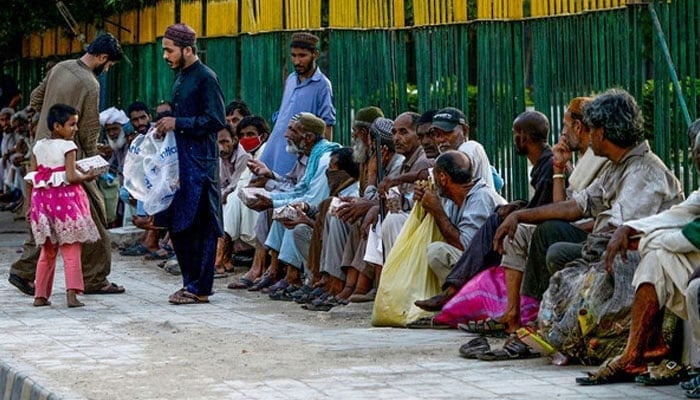
ISLAMABAD: The Asian Development Bank (ADB) has highlighted that Pakistan, Afghanistan, and the Kyrgyz Republic continue to face high poverty levels and limited access to essential services, according to its 2024 Annual Report, released on Thursday.
Despite overall economic progress, Central and West Asia continue to experience development disparities and social welfare challenges. Pakistan, identified as one of the region’s most climate-vulnerable country, incurs annual losses exceeding $2 billion due to disaster events-disproportionately impacting women and vulnerable populations. In 2024, the ADB extended a $500 million policy-based loan to strengthen Pakistan’s disaster management capacities. The program supports disaster risk mapping, preparedness, and the mobilisation of public and private financing. The ADB also reported updates on its accountability mechanism, noting that four complaints-two from Pakistan-were found ineligible for compliance review by the compliance review panel. A working group was formed to review the 2012 Accountability Mechanism Policy, and a new chair for the panel was recommended. In Pakistan and Georgia, ADB closed four older complaint cases, confirming successful implementation of mitigation measures. Training sessions on accountability and retaliation risks reached 394 officials across several countries, including Pakistan, and involved 80 civil society representatives. The ADB’s conditional cash transfer program in Pakistan benefitted 9.3 million people in 2024, targeting poor women and families. A further $330 million was committed to enhance this program by expanding access to education, nutrition, and health services in disaster-prone areas. ADB also launched initiatives to address urban challenges in Pakistan, where rapid urbanisation, inadequate planning, and climate impacts threaten living standards. A newly published report proposes a sustainable urbanisation model focused on resilient infrastructure, gender-responsive budgeting, and public-private partnerships. In a landmark investment, ADB committed a $41.2 million nonsovereign loan to support SAFCO Venture Holdings in establishing a facility in Sheikhupura to produce 200,000 tons of sustainable aviation fuel annually.
This project, the bank’s first under the Innovative Finance Facility for Climate in Asia and the Pacific (IF-CAP), will reduce carbon emissions by up to 85pc and export its entire output to the European Union, generating crucial foreign exchange for Pakistan. ADB also supported city-level climate action plans in Pakistan, India, and Uzbekistan and continued investments in transitioning the region away from fossil fuels.







-
 Fresh Details Of King Charles, Queen Camilla's US Visit Emerge Amid Andrew Investigation
 -
 Iran 'set To Buy' Chinese Carrier-killer Missiles As US Forces Gather In Region
 -
 Prince Harry And Meghan Unlikely To Meet Royals In Jordan
 -
 Hero Fiennes Tiffin Shares Life-changing Advice He Received From Henry Cavill
 -
 Savannah Guthrie's Fans Receive Disappointing News
 -
 Prince William Steps Out For First Solo Outing After Andrew's Arrest
 -
 Jake Paul Chooses Silence As Van Damme Once Again Challenges Him To Fight
 -
 Google Disrupts Chinese-linked Hacking Groups Behind Global Cyber Attacks
 -
 Four People Killed In Stabbing Rampage At Washington Home
 -
 Meghan Pushes Prince Harry Into Territory That’s Dangerous To His Brand: ‘She Isn’t Hearing A Word Of It’
 -
 Christina Applegate Reflects On Lasting Impact Of Being Molested In Childhood
 -
 Martin Short Makes Big Decision Following Tragic Death Of Daughter
 -
 Antarctica’s Mysterious ‘gravity Hole’: What’s Behind The Evolution Of Earth’s Deep Interior?
 -
 Hilary Duff Addresses Ashley Tisdale's 'toxic Mom Group' Claims And Matthew Koma's Firey Response
 -
 Jack Hughes's Proximity To Trump Angers Tate McRae Fans
 -
 Neve Campbell Opens Up About Her 'difficult Decision' To Not Sign 'Scream 6'