
Ramazan and revenue
For Pakistan’s economy, it also becomes unparalleled opportunity to stimulate various sectors
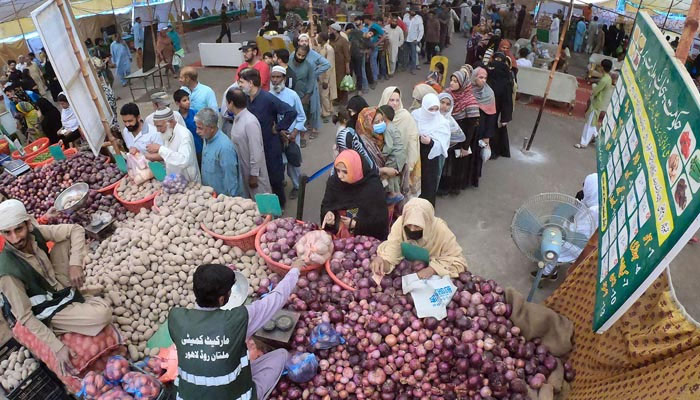
Ramazan, a month of profound spiritual reflection and devotion, also emerges as a period of significant economic activity in Pakistan. For Muslims worldwide, Ramazan offers a chance to strengthen their faith. For Pakistan’s economy, it also becomes an unparalleled opportunity to stimulate various sectors and uplift countless livelihoods.
The holy month, culminating in the joyous occasion of Eidul Fitr, sparks a surge in consumer spending, charitable giving, and communal celebrations — all of which leave a substantial economic footprint.
During Ramazan, acts of charity multiply as Muslims fulfill their religious obligation to assist the less fortunate. One key avenue is Zakat, an obligatory form of almsgiving that requires Muslims to contribute 2.5 per cent of their wealth to those in need. In Pakistan, where an estimated $5 billion is disbursed annually through Zakat, this practice plays a pivotal role in reducing poverty and providing a safety net for the underprivileged.
Fitrana, a mandatory donation made before Eidul Fitr to ensure that the less fortunate can partake in the festivities, also contributes significantly to economic redistribution. According to Islamic Relief, millions of dollars are channeled into communities each year via Fitrana, empowering low-income households and enhancing their purchasing power.
Ramazan also ignites a boom in food-related industries, driven by an increase in consumption patterns during Sehri and Iftar meals. Markets brim with activity as people stock up on staples like wheat flour and gram flour. According to data from the PBS, the sale of these commodities rises by nearly 30 per cent during Ramazan.
Similarly, the demand for fruits such as dates, essential for breaking the fast, soars by approximately 40 per cent, creating ripple effects across supply chains. The bustling roadside food stalls and restaurants see a remarkable uptick in patronage, further stimulating local economies. This heightened activity, while driven by tradition, underscores the interdependence between cultural practices and economic vitality.
The lead-up to Eidul Fitr heralds an unparalleled shopping spree. From clothing and footwear to household items, consumers flock to markets, fueling a retail boom that touches virtually every sector. In 2022, the PRBA estimated that pre-Eid shopping generated sales worth nearly Rs500 billion. Textile producers, tailors and small-scale artisans thrive during this period, meeting the demand for new clothes and accessories. This economic momentum cascades to transportation, logistics, and even digital marketplaces, reflecting the transformative power of consumer behaviour during festive seasons.
Eidul Fitr itself brings an additional dimension to economic activity. Families reunited for celebrations contribute to a surge in travel, with intercity bus services, railways, and airlines operating at full capacity. Vendors along highways and at transit hubs witness increased business as travelers purchase refreshments and gifts. Eid gatherings also often involve elaborate feasts, spurring demand for meat, spices, and cooking essentials. In 2022, Pakistan’s meat consumption saw a 25 per cent spike during Eid, according to industry reports, illustrating the tangible link between festive traditions and market dynamics.
The economic significance of Eidul Fitr extends beyond direct spending. Festivals like these promote informal sector employment, offering seasonal opportunities to daily wage earners, artisans and vendors. For instance, roadside mehndi artists and toy sellers experience a windfall, while temporary staff hired by retail outlets and bakeries benefit from increased demand. This cyclical boost supports livelihoods and injects liquidity into grassroots economies, often bridging financial gaps for vulnerable populations.
Likewise, the intangible yet impactful benefits of Eid celebrations cannot be overlooked. The sense of community and unity fostered during this time enhances social capital, strengthening networks that underpin economic resilience. As families exchange gifts and distribute Eidi, they reinforce cultural norms while simultaneously circulating money within the economy. These microtransactions, though individually modest, aggregate to create substantial economic movement.
Pakistan’s reliance on a consumer-driven festive economy is a double-edged sword. While it brings much-needed vitality to various sectors, the benefits are often unevenly distributed. Policymakers must consider strategies to amplify the positive effects of Ramazan and Eid-related spending. This could include supporting small businesses through microfinance schemes or improving infrastructure in bustling markets to enhance consumer experiences. Additionally, fostering transparency in Zakat and Fitrana disbursements can maximise their impact, ensuring that the funds reach their intended recipients efficiently.
Eidul Fitr is more than a religious occasion; it is a powerful economic catalyst that reflects the interplay between tradition, culture, and commerce. From charitable acts like Zakat and Fitrana to bustling marketplaces and festive travel, the celebration stimulates a diverse array of economic activities that benefit millions.
For an economy like Pakistan’s, characterised by structural challenges and income disparities, such events provide a much-needed respite and a glimpse of the potential for inclusive growth. As the nation celebrates Eid, it also sows the seeds for broader economic participation, reaffirming that cultural practices and economic prosperity are intrinsically linked.
The writer is an MPhil scholarat QAU and a young researchdevelopment intern (YRDI) at PIDE. He tweets/posts @Usamaabdulrauf







-
 Luke Grimes Reveals Hilarious Reason His Baby Can't Stop Laughing At Him
 -
 Why Kate Middleton, Prince William Opt For ‘show Stopping Style’
 -
 Here's Why Leonardo DiCaprio Will Not Attend This Year's 'Actors Award' Despite Major Nomination
 -
 Ethan Hawke Reflects On Hollywood Success As Fifth Oscar Nomination Arrives
 -
 Tom Cruise Feeling Down In The Dumps Post A Series Of Failed Romances: Report
 -
 'The Pitt' Producer Reveals Why He Was Nervous For The New Ep Of Season Two
 -
 Maggie Gyllenhaal Gets Honest About Being Jealous Of Jake Gyllenhaal
 -
 'Bridgerton' Star Luke Thompson Gets Honest About Season Five
 -
 Prince William On Verge Of Breakdown Because Of 'disgraced' Andrew
 -
 Tig Notaro Reflects On Oscar Nod For 'Come See Me In The Good Light': 'I Was Sleeping'
 -
 Kenyon Sadiq Sets 40-yard Dash Record At NFL Scouting Combine, Eyes First Round
 -
 Talk Show Host Drops Hint About Taylor Swift, Travis Kelce Wedding Date
 -
 Andrew Scandal Brings New Worries For Prince Harry, Meghan Markle
 -
 King Charles Imposes New Restrictions On Ex-Prince Andrew In Surprise Move
 -
 Chris Hemsworth Reveals How Elsa Pataky Guides His Career Moves
 -
 Was Travis Barker In A Relationship With Kim Kardashian Before Marrying Her Sister?