
Oil dives to three-year low on hit from tariffs, OPEC supply
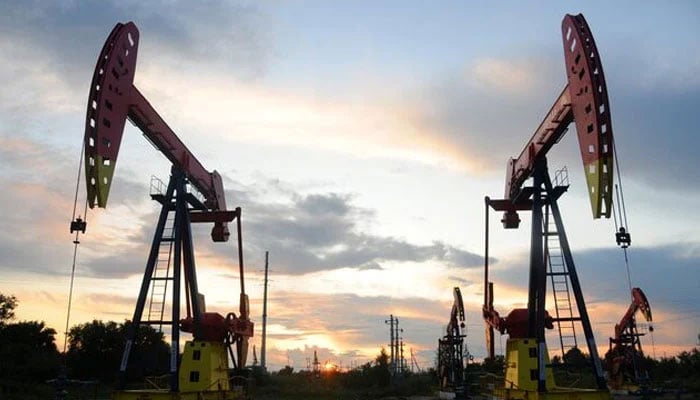
Oil tumbled for a second day, sinking to the lowest in more than three years as traders digested a surprise output increase by OPEC+ and a rapidly escalating global trade war, reports Bloomberg.
Benchmark Brent has lost more than 10 per cent in two days, while US futures are also trading at their lowest since 2021. The slump comes amid broad declines across global markets, including commodities from gas to grains.
Oil’s rout was triggered Thursday by a deluge of tariffs from US President Donald Trump, which threaten both global economic growth and consumption. Hours later, OPEC+ tripled a planned output hike for May, in what delegates called a deliberate effort to drive down prices to punish members pumping above their quota, the Bloomberg report added.
Crude extended losses on Friday after the official Xinhua News Agency reported that China had imposed 34 per cent tariffs on all US imports in retaliation.
The retreat marks a fresh attempt to break out of the $15 trading range of the past six months. During that period, OPEC+ supply curbs were seen to put a floor under the market, while the group’s ample spare capacity acted as a ceiling. This week’s unexpected production increase raises questions about whether the alliance will continue to defend higher prices.
The dual hit from OPEC+ and tariffs has prompted a rush by traders and Wall Street banks to reassess their outlook for the market. Goldman Sachs Group Inc. and ING Groep NV are among those lowering their price forecasts, citing risks to demand and higher supplies from the producer group.
“The two key downside risks we have flagged are realizing: namely tariff escalation and somewhat higher OPEC+ supply,” Goldman analysts including Daan Struyven wrote in a note. “Price volatility is likely to stay elevated on higher recession risk.”
The pullback has also had a broader impact on key market gauges. Timespreads softened in a sign of expected looser balances, particularly further along the futures curve. At the same time, bearish oil options volumes soared to the highest level on record.
Still, wider supply risks remain. The Trump administration has threatened a maximum-pressure policy on oil-producing nations that are subject to US sanctions, including Iran and Venezuela. Any retreat in prices offers a bigger opportunity to restrict output in those nations without having an inflationary price spike.
“With potential supply disruptions stemming from sanctions and tariffs -- on both sellers and buyers -- oil prices are unlikely to stay below $70 for long,” said Mukesh Sahdev, global head of commodity markets at Rystad Energy.







-
 Demi Lovato Leaves Fans Disappointed With Unexpected Announcement
 -
 Pacers Vs Knicks Overtime Thriller Ends In Heartbreak For New York
 -
 Who Owns The Ambassador Bridge? New Report Links Owner Matthew Moroun To Trump’s Threat
 -
 ICE Detention Center Plan Sparks Controversy In Maryland As Lawmakers Push Back
 -
 Blood Pressure Medication Recalled After Wrong Tablets Found In Bottles
 -
 Why Ariana Grande Wants A 'tiny Mouse' To Play Her In Biopic?
 -
 Wind Chill Returns With Brutal Cold As Polar Vortex Stalls Over Canada
 -
 Princess Beatrice, Eugenie ‘do Not Want To Be Seen In Public’ Because Of Dad
 -
 Costco $20 Rule Explained As Employee Pay Climbs Across North America
 -
 Strange Incident Happened At Nancy Guthrie's Home On Abduction's 10th Day
 -
 Tumbler Ridge School Lockdown Underway As RCMP Investigate School Shooting
 -
 Royal Family Knows There Can Be ‘no More Glossing’ Of Andrew Downfall
 -
 Britney Spears Quietly Parts Ways With Her Music Catalog: Report
 -
 Princess Diana Bodyguard Suspected ‘she Could Die’: Here’s How
 -
 Teddi Mellencamp Marks Huge Milestone With Emotional Message Amid Cancer
 -
 Shamed Andrew To ‘kiss And Tell’ After Dip In Popularity