
Analysis: IMF deal sealed — is growth next?
RSF arrangement underscores IMF's recognition of critical need for climate resilience in Pakistan
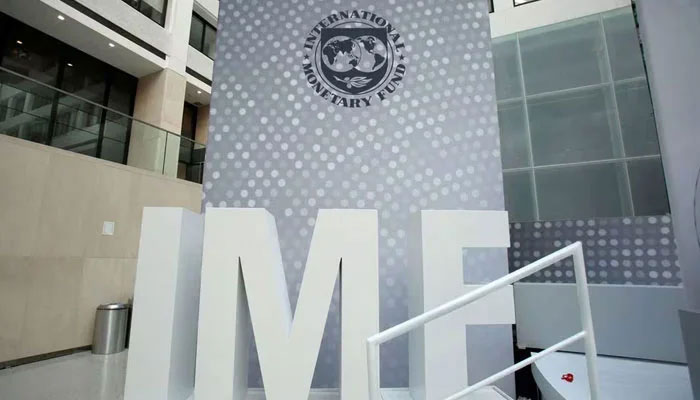
THE IMF’s staff-level agreement (SLA) with the Pakistani authorities on the first review of the 37-month Extended Fund Facility (EFF), while introducing a new 28-month arrangement under the Resilience and Sustainability Facility (RSF), totalling approximately $1.3 billion is a significant development for transitioning to growth from macroeconomic stability in Pakistan.
This agreement, pending approval by the IMF’s Executive Board, will grant Pakistan access to about $1 billion under the EFF, bringing total disbursements to approximately $2 billion. The RSF aims to support Pakistan’s efforts in building resilience to natural disasters, enhancing budget and investment planning for climate adaptation, improving water resource management, strengthening climate information systems, and aligning energy sector reforms with mitigation targets. Over the past 18 months, Pakistan has made significant strides in restoring macroeconomic stability and rebuilding confidence despite a challenging global environment -- a far departure from a close-to-default scenario only 18 months back. Economic growth remains moderate, but inflation has declined to its lowest level since 2015. The continuation of the programme should unlock more external sources of financing, that can be leveraged for growth. The economy now needs growth and needs to be export-driven, rather than through consumption. The RSF arrangement underscores the IMF’s recognition of the critical need for climate resilience in Pakistan. By focusing on enhancing the country’s capacity to withstand natural disasters and promoting sustainable development, the RSF aims to address both immediate and long-term challenges posed by climate change. This development follows the IMF’s approval of a $7 billion loan for Pakistan in September 2024, which was intended to support the country’s struggling economy. The new SLA and RSF arrangement build upon this foundation, reflecting ongoing collaboration between Pakistan and the IMF to ensure economic stability and resilience. The economy continues to tether along the low-growth path, with growth largely to be unlocked through more investments, particularly in export-oriented areas, while enabling a transition away from consumption. Avoiding the IMF programme in future can only be done through such an approach, and not yet another high-growth spurt based on borrowed capital, only to fizzle out in a matter of few quarters.







-
 ‘Stingy’ Harry, Meghan Markle Crack Open A Chasm Despite Donation: ‘Do So At Your Own Peril’
 -
 Research Explores How TikTok’s Recommendation System May Influence Teen Beliefs
 -
 Google Wins Approval To Export South Korea’s High-precision Maps After 20 Years—With Strict Conditions
 -
 King Charles’ Health Battle: What Has Been Revealed About His Cancer So Far
 -
 Bad Bunny Tugs At People’s Heartstrings With A Generous Act Of Love: ‘Our Staff Didn't Even Realize’
 -
 Paramount Wins Warner Bros. Bidding War As Netflix Abandons Deal: Here’s Why
 -
 Cardi B Finally Responds To Accusations About Destroying 'SNL' Set After Nicki Minaj Joke
 -
 Gorton And Denton By-election Result: Green Party Defeats Labour In Blow To Keir Starmer
 -
 Jack Dorsey Cuts 4,000 Roles, Says AI Requires Smaller Teams
 -
 Reggie Bannister Health Takes ‘difficult Turn’ Amid Dementia, Parkinson’s Battle
 -
 'Humble Traitor' Rob Rausch Makes Unexpected Move After Betraying Maura Higgins In Season 4
 -
 Sarah Ferguson Drops An Accusation Against Andrew? ‘He Just Wants Leverage’
 -
 Anthropic Rejects Pentagon Military AI Proposal, Holds Firm On Safety Guardrails —What’s Next?
 -
 'Traitors' Reunion Drama: Rob Rausch Defends Strategy, Makes Shocking Revelation After Victory
 -
 Inside Hillary Clinton’s Epstein Testimony: Key Takeaways And Highlights Explained
 -
 'Too Hard To Be Without’: Woman Testifies Against Instagram And YouTube