
Vanishing water
Pakistan, blessed with mighty Indus, is now in the grip of a severe water crisis
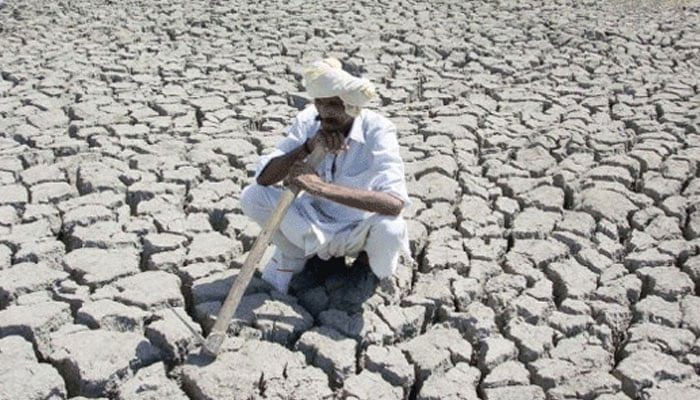
Another World Water Day brings fresh commitments — but where is the progress from last year, or, for that matter, the past several years?
Pakistan, blessed with the mighty Indus, is now in the grip of a severe water crisis. The country has rapidly transitioned from being water-stressed to water-scarce, struggling to meet even its basic water demands. Access to clean water remains a pressing issue, as rivers run dry and wetlands — once natural regulators of water — continue to disappear.
Water is not just an economic asset for Pakistan; it holds immense cultural, aesthetic, recreational, and educational value. However, with each passing day, the water crisis grows more acute.
Karachi requires 1.1 billion gallons of water per day but receives less than 550 million gallons. Similarly, Islamabad needs 220 million gallons daily but gets only 30–35 per cent of that amount. This shortfall has empowered the water tanker mafia, which controls distribution and inflates prices, turning water access into a privilege rather than a basic right. Over-extraction of groundwater is another pressing issue in cities like Lahore and Islamabad. The rapid depletion of underground aquifers due to unregulated bore wells raises urgent questions about sustainability.
Pakistan’s water crisis is also about inequitable distribution. Tensions have flared over Indian hydro projects on the Chenab and Jhelum rivers, posing yet another cross-border threat to our water security. At the same time, inter-provincial disputes persist, particularly between Sindh and Punjab over the 1991 Water Accord. Sindh accuses Punjab of excessive extraction of Indus water, while farmers in Balochistan claim Sindh is blocking their rightful share.
Similarly, residents of southern Punjab argue that water resources are being diverted to benefit large agricultural estates in the province’s northern districts. Years of urban expansion, population growth and intensified water consumption have disproportionately affected lower-income communities.
Pakistan is home to nearly 255 wetlands, 19 of which are recognised as Ramsar sites. Once thriving ecosystems rich in biodiversity, livelihoods, and cultural heritage — such as Manchar Lake, Haleji Lake and the Indus Delta — these wetlands have been degraded by pollution, encroachments and mismanagement.
The Indus Delta, one of the world’s largest river deltas, and Manchar Lake, South Asia’s largest freshwater lake, are facing ecological collapse, forcing local communities to migrate. Given that 90 per cent of the country’s agricultural production depends on the Indus Basin Irrigation System, national food security is directly tied to water levels in the basin.
The destruction of wetlands and the Indus is not just an environmental crisis but a survival crisis. Irresponsible water consumption cannot be ignored. Pakistan generates approximately two billion cubic meters of wastewater annually but treats only one per cent of it, leaving the rest to contaminate freshwater sources. Although the country’s drinking water supply system covers 92 per cent of the population, only 36 per cent of the supplied water is deemed safe for consumption.
Despite receiving abundant water, Pakistan lets much of it slip away. Intense monsoon rains result in devastating riverine flooding, exacerbated by hill torrents from glacier melt. The country is still recovering from the catastrophic 2022 floods, and this year, another spell of potentially stronger monsoons is expected. Yet much of this excess water is lost due to inadequate storage infrastructure. Pakistan’s water storage capacity is limited to just 30 days — far below the 1,000-day storage capacity recommended for a country with its climatic conditions. Strengthening water governance is essential to ensure equitable distribution, prevent water theft and curb illegal diversions. However, policy reforms alone are not enough; behavioural change and a collective shift toward mindful water consumption are key drivers of sustainability. National, provincial and local adaptation plans must integrate community-driven approaches to conservation, emphasising judicious water use. Prioritising investments in water circularity projects and nature-based solutions can enhance resilience, improve water availability and storage capacity and restore ecological balance.
Recharge Pakistan is one such flagship initiative, aiming to replenish groundwater by up to 1,600 million litres and increase water storage by up to 20 million cubic meters through watershed management, ecosystem-based adaptation and green infrastructure.
The writer is an environmental scientist working as a research officer at Recharge Pakistan, WWF.







-
 'Too Hard To Be Without’: Woman Testifies Against Instagram And YouTube
 -
 Kendall Jenner Recalls Being ‘too Stressed’: 'I Want To Focus On Myself'
 -
 Dolly Parton Achieves Major Milestone For Children's Health Advocacy
 -
 Oilers Vs Kings: Darcy Kuemper Pulled After Allowing Four Goals In Second Period
 -
 Calgary Weather Warning As 30cm Snow And 130 Km/h Winds Expected
 -
 Maura Higgins Reveals Why She Wears Wigs On 'The Traitors' And What Her Real Hair Is Like
 -
 Brandi Glanville Reveals Shocking Link Of Facial Issues To Leaking Implants, Claims 'no' Support From Ex Eddie Cibrian
 -
 Who Is Rob Rausch’s Girlfriend? 'The Traitors' Winner Linked To Kansas City Woman
 -
 Bobby J. Brown, 'Law & Order' And 'The Wire' Actor, Dies At 62
 -
 Netflix Gives In As Paramount Offers Massive Breakup Fee To Step Away From Warner Bros. Discovery Bid
 -
 Who Won 'Traitors' Season 4? Rob Rausch Claims $220,800 Grand Prize
 -
 Niall Horan Shares Update On New Music On The Way
 -
 Backstreet Boys Member Brian Littrell Refiles Trespassing Lawsuit Against Florida Retiree
 -
 Kate Middleton Dubbed ‘conscious Shopper’ By Famous Fashion Expert
 -
 Princess Catherine Joins Volunteers In Newtown During Powys Visit
 -
 Shamed Andrew Thought BBC Interview Was ‘time To Shine,’ Says Staff