
Punjab chambers oppose Trade Act changes
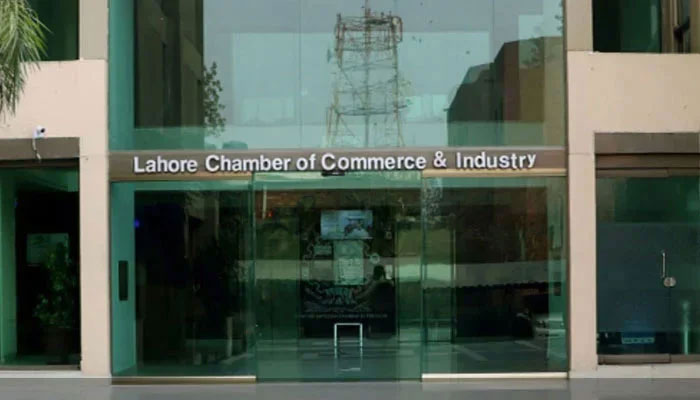
LAHORE: Punjab’s Chambers of Commerce and Industry, along with trade and industrial associations, have unanimously rejected recent amendments to the Trade Organisations Act 2013, calling them unacceptable.
During a convention held at the Lahore Chamber of Commerce and Industry (LCCI), they urged the government to withdraw the changes immediately. The meeting was addressed by LCCI President Mian Abuzar Shad, alongside office-bearers and representatives from various chambers and associations across Punjab and other regions.
A joint declaration issued at the convention demanded that the government revoke the amendments and engage in consultations with the business community. According to the declaration, all participants categorically rejected the amendments, warning that if the government proceeds with enforcing elections in 2025 under the revised law, trade bodies will shut down, and their keys will be handed over to the government in protest.
To coordinate further action, an Action Committee has been formed under the leadership of former FPCCI president Mian Anjum Nisar. The committee includes presidents and representatives of various chambers and associations who will engage with the government and formulate a strategy moving forward.
Business leaders criticised the decision to conduct re-elections under the controversial amendments, calling it a waste of time and resources. They also expressed concerns over the excessive increase in regulatory powers, arguing that it would undermine the autonomy and efficiency of trade bodies. Stressed that government institutions should focus on facilitating a business-friendly environment rather than imposing unnecessary obstacles. They emphasised that transparency and consultation should be the guiding principles of any legislation to ensure it benefits all stakeholders.
They further stated that bureaucratic interference in policymaking should be minimised and that policies must align with the real needs of the business community. They urged the government to involve business organisations, chambers, and relevant associations in the legislative process to ensure their perspectives are considered. The participants warned that granting excessive powers to bureaucrats would be detrimental to industry, trade and the overall economy.







-
 Benny Blanco Explains Why His Feet Were Dirty During Podcast Debut
 -
 Jake Humphrey Shares The Powerful Meaning Behind His Wrist Tattoo
 -
 Matthew Lillard Weighs In On His Return To The 'Scream' Franchise After Decades Of Persistence
 -
 Travis, Jason Kelce Share Blunt Dating Advice For Men: 'She's Gonna Hate You'
 -
 Australia To Launch First High-speed Bullet Train After 50-years Delay
 -
 Meghan Markle Turns To Desperate Bids & Her Kids Are Her ‘saving Grace’: Here’s What They’ll Do
 -
 King Charles Gives A Nod To Sister Anne's Latest Royal Visit
 -
 Christian Bale Shares Rare Views On Celebrity Culture Urging Fans Not To Meet Him In Person
 -
 Ariana Grande To Skip Actor Awards Despite Major Nomination
 -
 North Carolina Teen Accused Of Killing Sister, Injuring Brother In Deadly Attack
 -
 Ryan Gosling Releases Witty 'Project Hail Mary' Ad With Sweet Reference To Eva Mendes
 -
 Teyana Taylor Reveals What Lured Her Back To Music After Earning Fame In Acting Industry
 -
 Prince William Shows He's Ready To Lead The Monarchy Amid Andrew Scandal
 -
 Lux Pascal Gushes Over Role In Tom Ford's 'Cry To Heaven': 'I Just Wanted To Be Part Of This Picture'
 -
 Near-blind Refugee Found Dead In Buffalo After Release By US Border Patrol
 -
 Firm Steps In Forcing Andrew’s Hand: ‘Can No Longer Keep A Promise'