
How Imran is losing a remittance war against govt: report
Sajid Amin Javed, a senior economist at SDPI in Islamabad, suggested that none of this was surprising
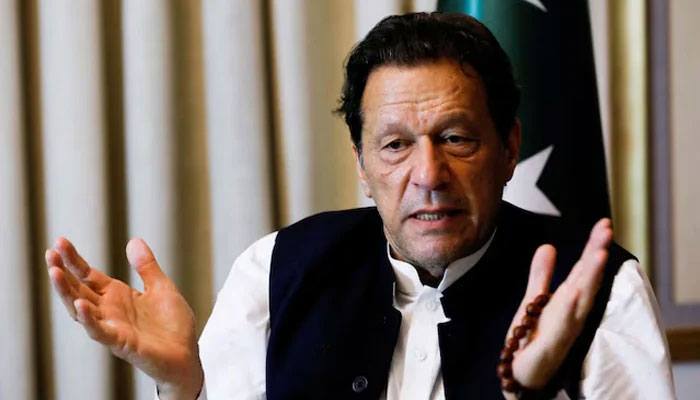
ISLAMABAD: In December last year, former Pakistan Prime Minister Imran Khan issued an unlikely threat to the country’s government: After spending more than 15 months behind bars on what he called “politically motivated charges” and following multiple failed protests, he warned that he would launch a civil disobedience movement, Aljazeera reported.
“As part of the movement, we will urge overseas Pakistanis to limit remittances and start a boycott campaign,” read a message posted on his account on X.
With a precariously balanced economy, with the country seeking new loans and debt rollovers from key allies such as Saudi Arabia, United Arab Emirates and China, turning off the valve of remittances from overseas Pakistanis could, in theory, bring the government to its knees.
But despite Khan’s demand to stop remittances, recent figures from Pakistan’s central bank suggest that the country’s remittances, a key pillar of its economy, increased by 25 percent in January compared with the same month in 2024. According to data released by the State Bank of Pakistan (SBP), overseas Pakistanis sent more than $3bn in remittances in January. This marked the second consecutive month that remittances exceeded the $3bn mark. Khan, the numbers suggest, may be losing the battle to use remittances as a weapon against the government. In fact, 2024 saw Pakistan receive the highest annual remittance total in its history, reaching $34.1bn, a 32 percent increase from 2023, when overseas Pakistanis sent home $25.7bn.
Sajid Amin Javed, a senior economist at the Sustainable Development Policy Institute (SDPI) in Islamabad, suggested that none of this was surprising. Most remittances sent by overseas Pakistanis, particularly those in Gulf countries, are meant to support vulnerable families back home, he said. “The money sent by Pakistani nationals back home is essentially involuntary. They have to send it to cover their household expenses. Barring a few exceptions, they don’t have a choice in the matter,” Javed told Al Jazeera.
However, Javed pointed to additional factors behind the recent surge in remittances. “After the rupee appreciated against the US dollar last year and with a now-stable currency rate, overseas Pakistanis have to send more money to meet their families’ expenses,” he explained.
The Pakistani rupee, which was Asia’s worst-performing currency against the US dollar, depreciating by more than 60 percent between 2022 and 2024, has now stabilised between 278 and 280 rupees per US dollar for the past 12 months. With the government enforcing strict controls and cracking down on illegal money transfer channels, increased confidence in official banking systems has also led to higher remittance flows, the economist highlighted. “The nature of Pakistani remittances is inelastic to political narratives, as they are driven by household consumption needs. While some individuals, particularly strong supporters, may follow their leader’s advice, the vast majority of Pakistani senders have no choice but to continue supporting their families,” Javed said.







-
 Prince Harry And Meghan Unlikely To Meet Royals In Jordan
 -
 Hero Fiennes Tiffin Shares Life-changing Advice He Received From Henry Cavill
 -
 Savannah Guthrie's Fans Receive Disappointing News
 -
 Prince William Steps Out For First Solo Outing After Andrew's Arrest
 -
 Jake Paul Chooses Silence As Van Damme Once Again Challenges Him To Fight
 -
 Google Disrupts Chinese-linked Hacking Groups Behind Global Cyber Attacks
 -
 Four People Killed In Stabbing Rampage At Washington Home
 -
 Meghan Pushes Prince Harry Into Territory That’s Dangerous To His Brand: ‘She Isn’t Hearing A Word Of It’
 -
 Christina Applegate Reflects On Lasting Impact Of Being Molested In Childhood
 -
 Martin Short Makes Big Decision Following Tragic Death Of Daughter
 -
 Antarctica’s Mysterious ‘gravity Hole’: What’s Behind The Evolution Of Earth’s Deep Interior?
 -
 Hilary Duff Addresses Ashley Tisdale's 'toxic Mom Group' Claims And Matthew Koma's Firey Response
 -
 Jack Hughes's Proximity To Trump Angers Tate McRae Fans
 -
 Neve Campbell Opens Up About Her 'difficult Decision' To Not Sign 'Scream 6'
 -
 Nobel-winning Scientist Resigns From Columbia University After Epstein Links Revealed
 -
 Prince William Remarks At BAFTAs 'indicative' Of King Charles Physical, Mental Health Too