
Water crisis hits Karachi industrial zones, say industry leaders
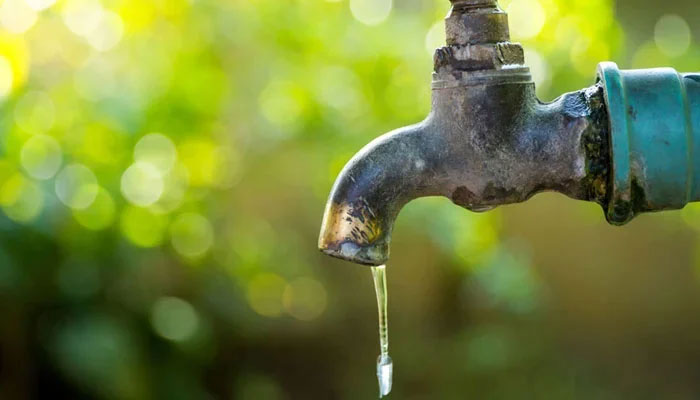
KARACHI: Industrial zones in Karachi have been grappling with a severe water shortage for several weeks, with production activities in the Federal B Area industrial zone suffering significantly after similar disruptions in SITE.
The ongoing water crisis, which has persisted for months, has severely impacted operations in key industrial areas. These zones are home to factories producing textiles, leather goods, pharmaceuticals and other products that contribute substantially to Pakistan’s export revenue. Without an adequate water supply, production processes have slowed or come to a halt, leading to mounting financial losses and missed export deadlines. President of the Federal B Area Association of Trade and Industries (FBATI) Sheikh Muhammad Tahseen said that industrial zones in Karachi are not receiving water from the relevant authorities, nor are industries permitted to utilise subsoil water resources.
“We need millions of gallons of water daily to sustain operations, but the supply is sporadic at best,” Tahseen stated. “The inefficiency of the concerned department has forced factories to rely on costly private water tankers, driving up production costs and reducing competitiveness in the global market.”
He highlighted the devastating impact of the water crisis on small and medium enterprises (SMEs) in Federal B Area, which are already struggling with high energy costs and inflation. Tahseen urged the authorities to prioritise industrial zones in water distribution, citing their critical role in driving the country’s exports and providing employment. He also called on the government to allocate a dedicated water quota for industries from existing reservoirs to support production activities.
The crisis also threatens employment in Karachi, where industrial zones provide jobs to hundreds of thousands of workers. With factories unable to operate at full capacity, layoffs and salary cuts are becoming inevitable, exacerbating socioeconomic instability in an already strained urban environment.
The FBATI president appealed to both provincial and federal governments to address the crisis urgently. “We need a clear action plan. Whether through investments in desalination plants, improved water reservoirs, subsoil water access, or infrastructure upgrades, the government must act now,” Tahseen emphasised.




-
 Alan Cumming Shares Plans With 2026 Bafta Film Awards
 -
 OpenClaw Founder Peter Steinberger Hired By OpenAI As AI Agent Race Heats Up
 -
 Kate Middleton's Reaction To Harry Stepping Back From Royal Duties Laid Bare
 -
 Rose Byrne Continues Winning Streak After Golden Globe Awards Victory
 -
 Ice Hockey Olympics Update: Canada Stays Unbeaten With Dominant Win Over France
 -
 Brooklyn Beckham Makes This Promise To Nicola Peltz Amid Family Feud
 -
 Chinese New Year Explained: All You Need To Know About The Year Of The Horse
 -
 Canadian Passport Holders Can Now Travel To China Visa-free: Here's How
 -
 Maya Hawke Marries Christian Lee Hutson In New York Ceremony
 -
 Glen Powell Reveals Wild Prank That Left Sister Hunting Jail Cells
 -
 Edmonton Weather Warning: Up To 30 Cm Of Snow Possible In Parts Of Alberta
 -
 'A Knight Of The Seven Kingdoms' Episode 5: What Time It Airs And Where To Stream
 -
 Amy Schumer Drops Cryptic Message On First Valentine Amid Divorce
 -
 Savannah Guthrie Sends Desperate Plea To Mom Nancy Kidnapper
 -
 NBA All-Star 2026 Shake-up: Inside The New USA Vs World Tournament Format
 -
 Warner Bros Consider Reopening Deal Talks With Paramount, Says Reports