
Bridging the skills gap
Report assesses readiness of over 190 countries to meet demands of the international job market
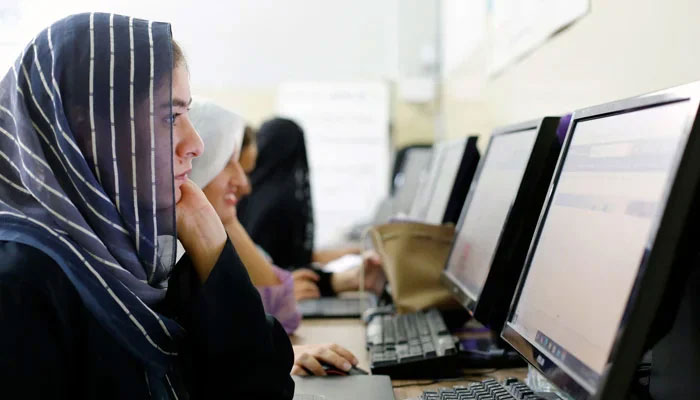
The global workforce today requires expertise in skills that were unimaginable two decades ago. According to McKinsey’s report, ‘Jobs Lost, Jobs Gained’, by 2030, up to 375 million workers globally – or 14 per cent of the workforce – will need to transition to entirely new occupational categories due to automation, digital disruption, and industrial transformation. What sets the 2020s apart is not just the magnitude of change but the unprecedented speed of technological and industrial innovation.
A recent report by Quacquarelli Symonds (QS), a UK-based higher education analytics firm, titled ‘World Future Skills Index’, highlights the global challenge of adapting to this rapid evolution. The report assesses the readiness of over 190 countries to meet the demands of the international job market, emphasizing the need to align education and skills with future economic realities to foster innovation, global competitiveness, and talent development.
Alarmingly, the report reveals that while 30 per cent of nations are successfully adapting their economies and industries to match the adoption of new skills, 70 per cent – including Pakistan – face economic stagnation despite an oversupply of talent. Pakistan ranks sixth from the bottom among countries where skills supply outpaces demand. This imbalance has led to high unemployment rates and a growing exodus of skilled workers, further exacerbating the brain drain and stalling national development.
A country’s higher education system is the cornerstone of its economic resilience. Nations that invest in innovative and forward-thinking academic programmes position themselves for long-term growth. Unfortunately, Pakistan remains near the bottom in the ‘Future-Oriented Innovation and Sustainability’ rankings.
To address this crisis, universities must adopt a more agile approach, integrating emerging and in-demand skills into their curricula to bridge the gap between industry needs and workforce capabilities. Key areas of focus include artificial intelligence (AI), digital literacy, and green technologies – skills projected to dominate the global job market over the next decade.
Research from Deloitte underscores the urgency: by 2030, developed economies will require 1.8 million workers proficient in these areas. AI-related skills are expected to grow by 60 per cent, digital skills by 35 per cent, and green jobs could generate 24 million new roles globally. Nations excelling in these domains are positioning themselves for economic leadership.
One of the most critical areas for immediate attention is artificial intelligence. According to IBM’s Global AI Adoption Index, the US leads in deploying AI across business operations, with 59 per cent of companies actively utilising it. China follows closely with similar levels of AI integration. Many Muslim-majority countries, including the UAE, Saudi Arabia, Turkiye, Malaysia, and Jordan, have announced national AI strategies, laying the groundwork for sustained competitiveness in the future job market. Pakistan, unfortunately, has made no comparable progress.
The global employment landscape is also witnessing a paradigm shift, with employers prioritising skills over traditional degrees. Leading organisations like IBM, Google, Apple, and Tesla now emphasise relevant, accredited skills over formal educational qualifications. Unfortunately, many certifications offered in Pakistan lack proper accreditation, rendering them ineffective in meeting global standards. To stay competitive, Pakistan’s workforce must focus on acquiring internationally recognised skills, while current professionals must commit to continuous upskilling and retraining.
The disparity in educational and technological readiness between Pakistan and its global counterparts is not inevitable but is instead a result of policy failures and misplaced priorities. While other countries invest in cutting-edge education systems, Pakistan continues to grapple with outdated curricula, unaccredited qualifications, and a lack of alignment between education and industry needs. Nepotism in the appointment of vice-chancellors and those at the helm of higher education has led to this decay.
Moreover, Pakistan faces systemic challenges that further impede progress. Bureaucratic inefficiencies, political interference, and restrictive IT policies – such as firewalls, VPN bans, and social media restrictions – have hampered the nation’s ability to adapt to the digital age. These barriers have cost the economy over $1 million per hour, further weakening its digital infrastructure and potential for growth.
Globally, universities are central to research and development (R&D), serving as hubs for innovation and technological progress. Developed nations are significantly increasing their R&D investments, recognising that staying competitive requires equipping their workforce with skills suited to a rapidly changing world. For Pakistan, the lack of investment in R&D and innovation reflects a missed opportunity to harness its potential.
Bridging the skills gap requires a coordinated effort by the government, private sector, and educational institutions. First, the government must re-engineer its higher education policies to focus on emerging skills and ensure alignment with market demands. This involves ensuring appointments on merit, revising curricula, enhancing teacher training, and fostering partnerships between universities and industries.
Second, universities must proactively integrate future-focused programmes, particularly in AI, digital transformation, and sustainability. These areas are optional and essential for driving innovation and preparing the workforce for the future. Establishing centres of excellence and collaborating with international organisations can further enhance the quality and relevance of academic offerings.
Lastly, a shift in mindset is necessary. The emphasis must move from degrees to skills, and certifications must meet global accreditation standards. This requires significant investment in vocational training, online learning platforms, and skill development programs tailored to current and future market needs.
Pakistan’s challenges are undeniable, but they are not insurmountable. By investing in its people, embracing innovation, and creating an ecosystem that fosters talent development, the nation can reverse its economic stagnation and position itself as a competitive player in the global arena.
The world is moving at an unprecedented pace, and Pakistan cannot afford to lag. The time to act is now – through targeted policies, institutional reforms, and a commitment to bridging the skills gap, Pakistan can secure a prosperous future for its citizens and reclaim its place in the global economy.
The writer is a former senator and former chairperson of the HEC.







-
 Ryan Coogler Shares Thoughts About Building Community Of Actors Amid 'Sinners' Success
 -
 Heidi Klum Gushes Over Diplo Collab 'Red Eye' Despite DJ Falling Asleep During Video
 -
 Israel Behind Majority Of Journalist Deaths Worldwide, Watchdog Claims
 -
 'It Would Become A Circus' : Inside Jane's Turmoil For 'little Sister' Fergie Whose Hidden From The World
 -
 Inside Cardi B's Real Feelings Related To Stefon Diggs Split Post One Year Of Romance
 -
 Former Sri Lankan Intelligence Chief Arrested Over 2019 Easter Bombings
 -
 Kristen Bell Shares One Rule For 'SAG' Awards Ceremony That She Will Ditch This Time: 'Happy And Fun'
 -
 Woman Suing Meta Platforms, YouTube Over Social Media Addiction Sticks To Claims After Trial
 -
 Shakira Applauded For 'gracious' Behaviour By Fans As She Blends Work With Family Downtime
 -
 Mexico’s President Considers Legal Action Over Elon Musk Cartel Remark
 -
 Prince William Hits The Roof With The Andrew Saga Bleeding Into Earthshot
 -
 HBO Gives Major Update About 'Industry' Season Five And Show's End
 -
 Donnie Wahlberg Responds To 'Boston Blue' Backlash: 'Nobody Was More Disappointed Than Me'
 -
 Jennifer Garner Gets Emotional Over Humble Career Start: 'It Makes Me Want To Cry'
 -
 Princess Beatrice Told An Acquaintance That She ‘likes’ Jeffrey Epstein: Grim Verdict Drops
 -
 Late Katherine Short's Neighbours Give Insights Into Her 'peace Loving' Personality Post Suicide