
Automakers warn EV policy may undermine local auto industry
In letter to EDB, PAMA warns that policy could lead to unchecked import of Complete Built-Up (CBU) vehicles
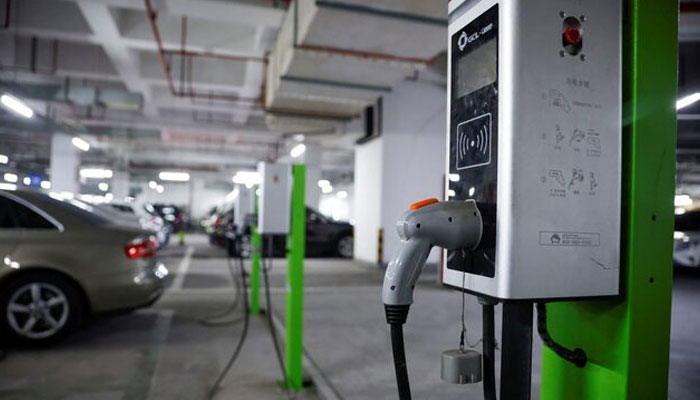
ISLAMABAD: The Pakistan Automotive Manufacturers Association (PAMA) has raised significant concerns over the proposed New Energy Vehicle (NEV) policy, urging the government to amend it to safeguard the local auto industry from potential harm.
In a letter addressed to the Engineering Development Board (EDB), PAMA warned that the policy could lead to an unchecked import of Complete Built-Up (CBU) vehicles, which may undermine domestic Original Equipment Manufacturers (OEMs) and growth of local auto part suppliers.
Abdul Waheed Khan, Director General of PAMA, expressed apprehension that the policy’s provisions, particularly the lower duties and sales taxes on CBU imports (25 percent duty and 10 percent sales tax), would create an non-level playing field for local manufacturers. He emphasized that such a policy would erode the market share of domestic producers and discourage future investments in the local auto sector, ultimately disrupting the objectives set by successive auto policies since 2008. “The introduction of these provisions would significantly slow down investment in the local auto sector, frustrating the goals of AIDEP 2021-26, which aims to promote a balanced tariff structure for various vehicle types,” Khan wrote in the letter.
PAMA suggested a comprehensive review of the policy, proposing that the government ensure its alignment with the AIDEP framework to promote sustainable growth in the auto industry. Among the key recommendations, PAMA called for the elimination of the used car import facility, citing that the current volume of used car imports already takes away nearly 30% of the market share. The association urged that the import of used cars be entirely banned, with an exception for overseas Pakistanis purchasing locally produced cars.
Additionally, PAMA proposed that the NEV policy should focus exclusively on Electric and Fuel Cell Vehicles, with Hybrid Electric Vehicles (HEVs) and Plug-in Hybrid Electric Vehicles (PHEVs) continuing to be covered under the existing AIDEP framework.







-
 Katie Price Seen With New Hubby Lee Andrews Weeks After Tying The Knot
 -
 Biggest Order Yet Issued Against Andrew Mountbatten-Windsor: King Charles You Have To’
 -
 ByteDance’s Seedance 2.0 Marks New Era Of Cinematic AI-generated Videos: Here’s How
 -
 Struggling With Obesity? Here's How To Manage It
 -
 How Epstein Scandals Are Impacting King Charles’ Healing As Stress Refuses To Relent: ‘Could Spell His End’
 -
 Ciara, Russell Wilson Become Matchmakers For Pals?
 -
 Why Prince William Releases Statement On Epstein Scandal Amid Most 'challenging' Diplomatic Trip?
 -
 Historic Mental Health Facility Closes Its Doors
 -
 Top 5 Easy Hair Fall Remedies For The Winter
 -
 Japan Elections: Stock Surges Record High As PM Sanae Takaichi Secures Historic Victory
 -
 Prince William, Kate Middleton Finally Address Epstein Scandal For First Time: 'Deeply Concerned'
 -
 Kim Kardashian Promised THIS To Lewis Hamilton At The 2026 Super Bowl?
 -
 Andrew Mountbatten-Windsor Throws King Charles A Diplomatic Crisis
 -
 Barack Obama Hails Seahawks Super Bowl Win, Calls Defense ‘special’
 -
 Pregnant Women With Depression Likely To Have Kids With Autism
 -
 $44B Sent By Mistake: South Korea Demands Tougher Crypto Regulations