
Wheat production at risk amid declining prices
Senior official of the Ministry says that production of wheat is expected to decline in the next Rabi season
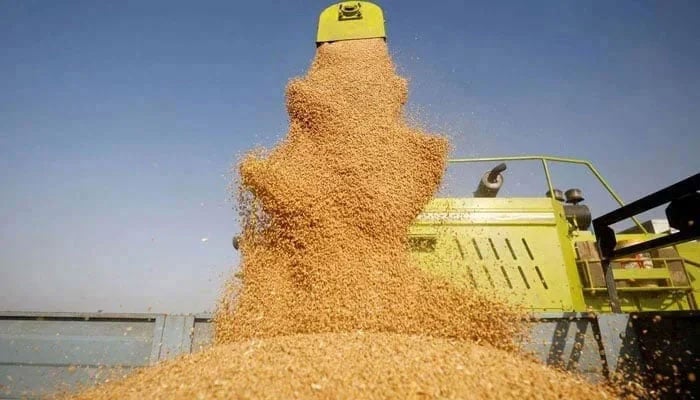
ISLAMABAD: Pakistan’s wheat production for the 2024-25 Rabi season may face a setback, as the government warns that a decline in wheat prices could discourage farmers from planting at their usual scale. The price drop may lead to a significant reduction in wheat output, exacerbating the country’s ongoing food security challenges.
A senior official of the Ministry National Food Security and Research informed the Senate standing committee on Tuesday that the initial forecast indicates that the production of wheat is expected to decline in the next Rabi season due to the lower price of wheat in the market. As a result, the yield of wheat is expected to be low in the next Rabi season.
The Senate Standing Committee on National Food Security and Research met here with Senator Syed Masroor Ahsan in the chair.
Wheat, which contributes nine percent to Pakistan’s agriculture sector and 2.2 percent to GDP, is a staple crop vital to millions of Pakistanis.
With wheat production facing mounting challenges, the Pakistan Agricultural Storage and Services Corporation (Passco) also faces financial strain. The corporation, which plays a key role in maintaining wheat reserves to stabilise prices, relies heavily on loans from commercial banks—covering 75 percent of its finances. Passco has also accumulated receivables totaling Rs194.746 million from provincial food departments and other government bodies.
Meanwhile, the textile sector, which drives Pakistan’s exports, owes nearly Rs3 billion in cotton cess arrears to the Pakistan Central Cotton Committee (PCCC). Rather than clearing their dues, many textile firms have opted for litigation, with 121 industries filing 65 cases disputing the cess. Of these, 63 cases have been decided in favor of the PCCC, with two cases still pending in the Peshawar High Court.
The collection of cotton cess also remains fragmented, as the official informed that of the 341 textile companies involved, 184 are paying, while 157 are non-responsive. This trend is a sign of Pakistan’s larger problem with enforcing regulations.
In the 2023-24 fiscal year, the PCCC managed to collect just Rs293 million in cess, raising questions about the committee’s governance.
Amid these agricultural concerns, the Senate committee decided to form a sub-committee to investigate the wheat import scandal, which has raised significant public and parliamentary concern. Senator Aimal Wali Khan will lead the investigation into the inefficiencies and regulatory lapses that continue to undermine Pakistan’s agricultural stability. The panel was also informed about the role and composition of the Wheat Board, which includes 27 members, such as representatives from the federal and provincial governments, agriculture and food departments, growers, and industry stakeholders.







-
 Eric Dane's Costar Under Fire For Hurling Accusations At Him After His Death
 -
 Queen Camilla Greets The Paddington Bear At BBC’s 500 Words Grand Final
 -
 Chinese Astronauts Finally Reveal Why Spacecraft Left Them ‘stranded’ For 437 Days In Space
 -
 Sinitta Makes Shock Admission About Marriage To Andy Willner Post Simon Cowell Heartbreak
 -
 Bill Gates Calls Ties To Jeffrey Epstein 'huge Mistake,' Reveals Past 'affairs'
 -
 Switzerland Announces One-time Compensation For Swiss Bar Fire Victims
 -
 Ryan Coogler Shares Thoughts About Building Community Of Actors Amid 'Sinners' Success
 -
 Heidi Klum Gushes Over Diplo Collab 'Red Eye' Despite DJ Falling Asleep During Video
 -
 Israel Behind Majority Of Journalist Deaths Worldwide, Watchdog Claims
 -
 'It Would Become A Circus' : Inside Jane's Turmoil For 'little Sister' Fergie Whose Hidden From The World
 -
 Inside Cardi B's Real Feelings Related To Stefon Diggs Split Post One Year Of Romance
 -
 Former Sri Lankan Intelligence Chief Arrested Over 2019 Easter Bombings
 -
 Kristen Bell Shares One Rule For 'SAG' Awards Ceremony That She Will Ditch This Time: 'Happy And Fun'
 -
 Woman Suing Meta Platforms, YouTube Over Social Media Addiction Sticks To Claims After Trial
 -
 Shakira Applauded For 'gracious' Behaviour By Fans As She Blends Work With Family Downtime
 -
 Mexico’s President Considers Legal Action Over Elon Musk Cartel Remark