
This is why Trump won
This was no ordinary contest between two candidates from rival parties: New York Times column by Daniel McCarthy
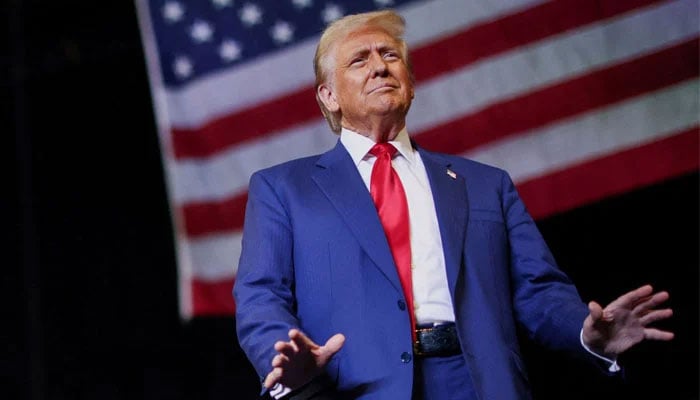
KARACHI: Donald Trump is returning to the White House, and while this will not change what most critics think of him, it should compel them to take a close look in the mirror. They lost this election as much as Mr. Trump won it.
This was, according to a New York Times column by Daniel McCarthy, no ordinary contest between two candidates from rival parties: The real choice before voters was between Mr. Trump and everyone else — not only the Democratic nominee, Kamala Harris, and her party, but also Republicans like Liz Cheney, top military officers like Gen. Mark Milley and Gen. John Kelly (also a former chief of staff), outspoken members of the intelligence community and Nobel Prize-winning economists.
Framed this way, the column says, the presidential contest became an example of what’s known in economics as “creative destruction.” His opponents certainly fear that Mr. Trump will destroy American democracy itself.
To his supporters, however, a vote for Mr. Trump meant a vote to evict a failed leadership class from power and recreate the nation’s institutions under a new set of standards that would better serve American citizens.
Mr. Trump’s victory amounts to a public vote of no confidence in the leaders and institutions that have shaped American life since the end of the Cold War 35 years ago. The names themselves are symbolic: In 2016 Mr. Trump ran against a Bush in the Republican primaries and a Clinton in the general election. This time, in a looser sense, he beat a coalition that included Liz Cheney and her father, former Vice President Dick Cheney.
Characterized the Barack Obama era, when a Democratic president pursued a vision only incrementally different — in everything from foreign policy to health care — from what experts in both parties had prescribed in the 1990s, while Republicans in Congress devoted themselves to mere obstruction until the G.O.P. could put another Bush or Mitt Romney in the White House to pursue their party’s variation on the same agenda.
Mr. Trump’s campaign coalition included Robert F. Kennedy Jr., Tulsi Gabbard and other politicians with an anti-establishment message, as well as prominent businessmen like Elon Musk and podcasters like Joe Rogan. Mr. Trump may not be fully in tune with any of them, but there is a reason so many champions of what might be called “alternative politics” threw in with him against the mainstream. And Mr. Trump’s successes from 2016 to today — successes which include those defeats that failed to vanquish him or shatter his coalition — indicate that the “mainstream” has already lost popular legitimacy to a critical degree. The voters’ attitude surely extended to the federal and state indictments, which they dismissed as politics by other means. Mr. Trump’s enemies are as certain as his supporters are that he could be a force for radical change. Yet both the pro- and anti-Trump camps are prone to exaggerate what this once and future president wishes to do and can accomplish. Even Franklin Roosevelt, with unlimited terms in office and an overwhelming popular mandate, found his power as president frustratingly limited. The Constitution is not weak, regardless of whether a Roosevelt or a Trump sits in the Oval Office.
If Mr. Trump and his coalition fail to create something better than what they have replaced, they will suffer the same fate they’ve inflicted on the fallen Bush, Clinton and Cheney dynasties. A new force for creative destruction will emerge, possibly on the American left. To prevent that, Mr. Trump will have to become as successful a creator as he is a destroyer. At the start of his first administration he lost an opportunity to take advantage of the shock that Republicans and Democrats alike felt at this election. That was a moment when a positive message, rather than one of “American carnage,” could have elevated the new president above the fray of conventional politics. Although his refusal to accept the results of the 2020 election did not prevent him from winning yesterday, he would have been even stronger if he did not have the baggage of the Jan. 6 riot to drag him down. Sometimes following the rules is the best way to change the game, as the most transformative presidents of our past recognized.







-
 Jonathan Majors Set To Make Explosive Comeback To Acting After 2023 Conviction
 -
 Next James Bond: Why Jacob Elordi May Never Get 007 Role?
 -
 Maddox Drops Pitt From Surname In Credits Of Angelina Jolie’s New Film 'Couture' Despite Truce From Father's End In Legal Battle
 -
 Burger King Launches AI Chatbot To Track Employee Politeness
 -
 Andrew’s Woes Amid King Charles’ Cancer Battle Triggers Harry Into Action For ‘stiff Upper Lip’ Type Dad
 -
 Experts Warn Andrew’s Legal Troubles In UK Could Be Far From Over
 -
 Teyana Taylor Reflects On Dreams Turning Into Reality Amid Major Score
 -
 Jennifer Garner Drops Parenting Truth Bomb On Teens With Kylie Kelce: 'They're Amazing'
 -
 AI Is Creating More Security Problems Than It Solves, Report Warns
 -
 'Game Of Thrones' Prequel 'A Knight Of The Seven Kingdoms' New Ratings Mark Huge Milestone
 -
 Apple Seeks To Dismiss Fraud Suit Over Siri AI, Epic Injunction
 -
 Delroy Lindo Explains The Crucial Role Of Musical Arts In Setting Up His Career Trajectory
 -
 Timothée Chalamet Reveals How He Manages To Choose The Best Roles For Himself
 -
 Princesses Beatrice, Eugenie’s Conflict Gets Exposed As Mom Fergie Takes Over The Media
 -
 Kate Middleton Plays Rock-paper-scissors In The Rain
 -
 Lindsay Lohan On 'confusing' Teen Fame After 'Mean Girls': 'I Should Have Listened To My Mom And Dad'