
Pakistan’s chronic hunger crisis
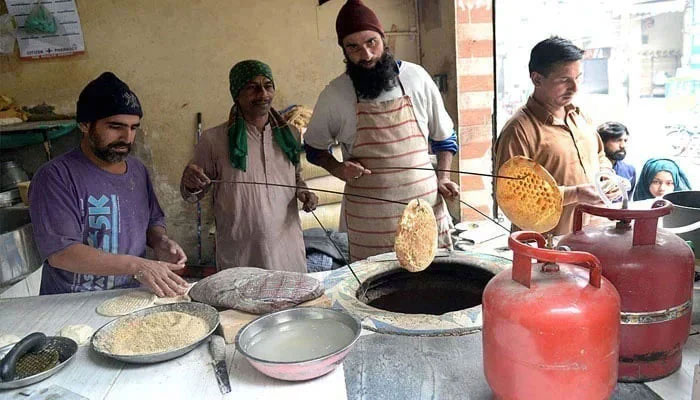
LAHORE: Chronic hunger is a more severe form of food insecurity, reflecting a state where people consistently lack enough food to meet basic nutritional needs over an extended period. Pakistan leads the region in this plight.
According to the Global Hunger Index (GHI) 2023, an estimated 44 million people face chronic hunger in Pakistan, accounting for 19.9 per cent of its population. In Bangladesh, 13.3 per cent of the population, or 22.1 million people, are affected by chronic hunger. The situation is slightly better in India, where approximately 74.5 million people, or 5.3 per cent of its population suffer from chronic hunger.
Unlike temporary hunger due to short-term food shortages, chronic hunger leads to undernourishment, impacting physical growth, health and overall well-being. It diminishes physical and mental energy, leading to decreased productivity at work, and affects cognitive functions, concentration and memory. Children suffering from chronic hunger often lag in school performance and academic achievement. Malnutrition and lack of adequate calories make physical exertion difficult, reducing stamina and hampering labour-intensive tasks. Chronic hunger also weakens the immune system due to a lack of essential nutrients like vitamins A, C, and D, zinc, and protein.
Many people facing food insecurity and chronic hunger are directly involved in food production. In Pakistan, smallholder farmers, agricultural labourers and rural workers often face food insecurity due to low wages, limited access to resources and market fluctuations. These workers help grow and harvest food but lack the means to secure an adequate diet for themselves.
Pakistan’s high rate of chronic hunger is linked to poverty, climate vulnerabilities and conflicts that disrupt food production and distribution. The child stunting rate, a critical indicator of malnutrition, exceeds 37 per cent in Pakistan. In India, the chronic hunger crisis is driven by widespread poverty, inequality, and a large rural population, with child stunting affecting around 35 per cent. Bangladesh has made progress in combating chronic hunger, yet around 28 per cent of children remain stunted, indicating ongoing malnutrition.
Malnourished adults exhibit lower energy levels and reduced productivity in labor-intensive sectors such as agriculture and construction. Studies show that this leads to absenteeism and lower output, impacting personal income and national productivity. For children, inadequate nutrition stunts brain development and cognitive abilities. Deficiencies such as iron-deficiency anaemia can impair learning and memory, resulting in lower IQ scores and poorer educational outcomes. The effect is more pronounced in children from poorer households lacking adequate diets.
In young children, hunger-induced malnutrition stunts growth and heightens the risk of lifelong health complications. Studies indicate that malnourished children face up to a nine-fold increase in the risk of dying from infections like measles and pneumonia compared to well-nourished children.
Policies that offer targeted food support and nutritional supplementation can help alleviate hunger in vulnerable populations. Pakistan lacks such programs, while India’s Mid-Day Meal Scheme and Bangladesh’s Vulnerable Group Development (VGD) programme have shown positive impacts.
Improving access to agricultural resources and ensuring fair market practices for smallholders can empower food producers to achieve food security. In Pakistan, however, agriculture markets are dominated by middlemen who pay producers less and charge high prices to consumers, exacerbating chronic hunger on both ends.
Fortifying staple foods and implementing programmes to address micronutrient deficiencies are crucial in combating chronic hunger. Unfortunately, Pakistan has failed to fortify essential staples like wheat and rice over the last 27 years.







-
 Katie Price Seen With New Hubby Lee Andrews Weeks After Tying The Knot
 -
 Biggest Order Yet Issued Against Andrew Mountbatten-Windsor: King Charles You Have To’
 -
 ByteDance’s Seedance 2.0 Marks New Era Of Cinematic AI-generated Videos: Here’s How
 -
 Struggling With Obesity? Here's How To Manage It
 -
 How Epstein Scandals Are Impacting King Charles’ Healing As Stress Refuses To Relent: ‘Could Spell His End’
 -
 Ciara, Russell Wilson Become Matchmakers For Pals?
 -
 Why Prince William Releases Statement On Epstein Scandal Amid Most 'challenging' Diplomatic Trip?
 -
 Historic Mental Health Facility Closes Its Doors
 -
 Top 5 Easy Hair Fall Remedies For The Winter
 -
 Japan Elections: Stock Surges Record High As PM Sanae Takaichi Secures Historic Victory
 -
 Prince William, Kate Middleton Finally Address Epstein Scandal For First Time: 'Deeply Concerned'
 -
 Kim Kardashian Promised THIS To Lewis Hamilton At The 2026 Super Bowl?
 -
 Andrew Mountbatten-Windsor Throws King Charles A Diplomatic Crisis
 -
 Barack Obama Hails Seahawks Super Bowl Win, Calls Defense ‘special’
 -
 Pregnant Women With Depression Likely To Have Kids With Autism
 -
 $44B Sent By Mistake: South Korea Demands Tougher Crypto Regulations