
Expert explains how healthy lifestyle can help protect brain from cognitive decline
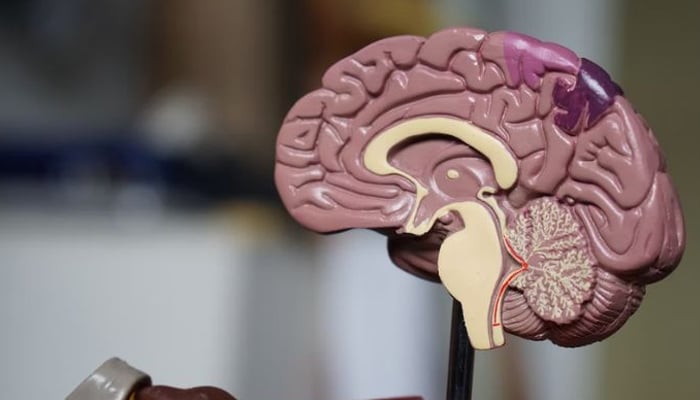
Researchers don’t know why some people get Alzheimer’s disease and others don’t. But they’ve identified several factors that increase your risk for Alzheimer’s, including genetic (hereditary) factors, said Prof Bashir Soomro at a seminar.
If you have a first-degree relative (biological parent or sibling) with Alzheimer’s disease, your risk of developing the condition increases by 10% to 30%, said Prof Soomro, who is a consultant neurologist at Dr Ziauddin University Hospital and secretary general of the Pakistan Society of Neurology, at a public health awareness seminar held in connection with World Alzheimer’s Day yesterday.
“Alzheimer's disease is a type of dementia that affects memory, thinking, and behaviour. It is named after Alois Alzheimer, a German psychiatrist, who first described it. The brain is made up of billions of nerve cells that connect to each other. In Alzheimer's disease, connections between these cells are lost. This disease accounts for 60-80% of dementia cases,” he said.
Prof Soomro, who is also the secretary to the Faculty of Neurology, College of Physicians Surgeons Pakistan and Fellow American Academy of Neurology, further explained: “Alzheimer's is not a normal part of aging. The greatest known risk factor is increasing age, and the majority of people with Alzheimer's are 65 and older. Some people develop Alzheimer’s disease before age 65 — typically in their 40s or 50s. This is called early-onset Alzheimer’s disease. Less than 10% of Alzheimer’s disease cases are early-onset.
“It affects approximately 55 million people across the world. One in 10 people older than 65 and nearly a third of people older than 85 have the condition.”
Symptoms eventually grow severe enough to interfere with daily tasks.
The most common early symptom of Alzheimer’s is difficulty remembering newly learned information. Brain changes associated with Alzheimer's disease lead to growing trouble like repeating statements and questions over and over, forgetting conversations, appointments or events, misplacing items, often putting them in places that don't make sense getting lost in places they used to know well, and eventually forgetting the names of family members and everyday objects.
Research shows that having a healthy lifestyle helps protect your brain from cognitive decline. The following strategies may help decrease your risk of developing Alzheimer’s disease:
— Play board games, read, do crossword puzzles, play a musical instrument or do other hobbies that require “brain power”.
— Establish a consistent exercise routine to enhance overall health and decrease Alzheimer's susceptibility. Strive for a minimum of 150 minutes of moderate-intensity aerobic exercise or 75 minutes of vigorous-intensity activity weekly. Exercise stimulates improved cerebral blood circulation, fosters the release of brain-protective compounds, and maintains optimal brain tissue health; Exercise increases blood flow and oxygen to your brain, which may affect brain cell health.
— Cultivate a diet abundant in fruits, vegetables, whole grains, and lean proteins to bolster brain health. Prioritize foods rich in antioxidants, such as berries and leafy greens, which combat brain inflammation and oxidative stress. Additionally, incorporate omega-3 fatty acids from sources like salmon and walnuts to further reduce Alzheimer's risk. Consume alcoholic beverages in moderation and quit smoking is advised.
Although there is still no cure for Alzheimer's disease, there are several medications that can help with symptoms such as memory decline, changes in language, thinking abilities and motor skills, those who respond to these treatments can experience improvements in their quality of life for several years.
Social engagement is a cornerstone of brain health. Regular interaction with friends and family, participating in group activities, and nurturing social ties can preserve cognitive function. Loneliness and isolation are linked to an increased Alzheimer's risk.
Maintain vigilance over your overall health, particularly conditions like hypertension, diabetes, and high cholesterol, as they elevate Alzheimer's risk. Collaborate closely with your physician to effectively manage these conditions, advised by Prof Bashir Soomro.
Jawwad Ahmed Khan, digital marketing expert, said that anyone experiencing dementia-like symptoms should immediately see a senior neurologist because a number of conditions — not only Alzheimer's disease — can cause memory loss in older adults. Getting a prompt diagnosis and appropriate treatment plan is important.







-
 Google Warns Of State-sponsored Cyberattacks Targeting Defense Sector Employees
 -
 Ransom Deadline Passes: FBI Confirms ‘communication Blackout’ In Nancy Guthrie Abduction
 -
 Jeff Bezos Hints At Blue Origin Moon Plans As Elon Musk Responds With Cautious Praise
 -
 Zach Bryan Slams Turning Point USA Alternative Halftime Show: 'Embarrassing As Hell'
 -
 South Korea Blames Coupang Data Breach On 'management Failures,' Not Cyber Attack
 -
 ‘Disgraced’ Andrew More Concerned About ‘issue Of His Legacy’ Than Epstein Links
 -
 Instagram Plans New Snapchat-style App ‘Instants’ Amid Rising AR Competition
 -
 Safer Internet Day 2026: Is Social Media Ban The Only Way To Protect Kids?
 -
 Piers Morgan Finally Breaks Silence On Kidnapping Of Savannah Guthrie's Mother Nancy
 -
 Lenore Taylor Resigns As Guardian Australia Editor After Decade-long Tenure
 -
 'Mortified' Princess Eugenie, Beatrice Plan Interview To Finally Speak Truth In Sarah Ferguson, Andrew-Epstein Scandal
 -
 Lewis Hamilton Spent Years Trying To Catch Kim Kardashian's Attention?
 -
 Royal Strategy Revealed As King Charles, Prince William Issue Statements On Andrew Row
 -
 Inside Will Smith's Struggle To Revive His Career After Infamous Oscar Incident
 -
 What’s Coming Out Of Meghan Markle’s War Against Prince William? Inside People’s Unease
 -
 Australia Seeks Urgent Meeting With Roblox Over 'Disturbing' Content Complaints