
Pakistan’s ‘zombie’ power sector straining the economy: Atif Mian
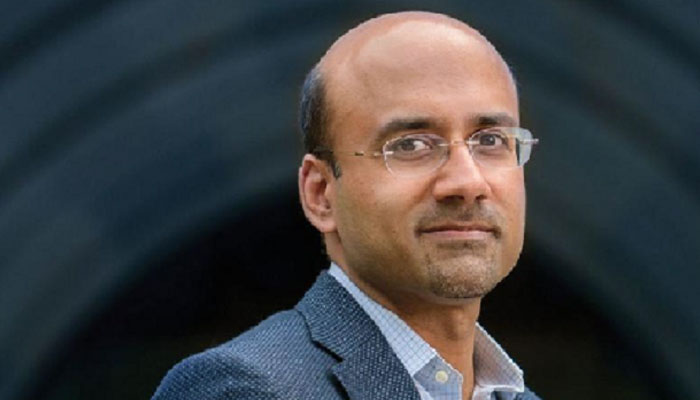
KARACHI: Renowned Pakistani-American economist Atif Mian has issued a stark warning about the dire state of Pakistan’s power sector, likening it to a ‘zombie’ industry that is draining the vitality of the country’s economy.
In his latest post on X, Mian describes ‘zombie firms’ as entities that are fundamentally insolvent but are kept afloat through external subsidies. He said, “Pakistan’s entire power sector has become a zombie sector -- and it is sucking the blood out of the rest of the economy. The proof is simple: Pakistan is selling electricity at one of the highest prices in the world, about 21 cents per kWh (with taxes), and yet the sector as a whole runs in a loss.”
“The true market price of electricity should not be more than 8-9 cents per kWh (just look at neighbouring India), but the government is charging an exorbitant price in order to keep the zombie alive.”
According to Mian, the Pakistani government’s refusal to acknowledge the sector’s bankruptcy has resulted in a broken system that has been deteriorating over the past three decades. This situation has compelled citizens to bear the brunt of exorbitant electricity costs, which in turn adversely affects other sectors of the economy.
Energy, being a crucial input for nearly every industry, means that higher electricity prices create widespread economic distortions.Mian criticizes the government’s approach, suggesting that the power sector should undergo a bankruptcy and restructuring process to realign the value of its assets with the market reality. He points out the complicating factor of sovereign guarantees given to private companies in previous years, which have prevented effective restructuring.
The economist proposes a solution based on economic principles taught in introductory courses: avoid the sunk cost fallacy by pricing electricity at a fair market rate to avoid economic distortions.
He advocates for separating the power sector into viable assets that can operate sustainably at a fair price and non-viable assets that require legal restructuring, privatization, or government intervention to manage losses.







-
 Meghan Markle Shows ‘real Pain’ With Her Body Language In Jordan
 -
 Jennifer Garner Names Her Movie That She Hasn't Seen In Full Since Its Premiere
 -
 Bridgerton’s Michelle Mao On Facing Backlash As Season Four Antagonist
 -
 King Charles Gets New ‘secret Weapon’ After Andrew Messes Up
 -
 Shia LaBeouf Makes Bold Claim About Homosexuals In First Interview After Mardi Gras Arrest
 -
 Princess Beatrice, Eugenie ‘strained’ As They Are ‘not Turning Back’ On Andrew
 -
 Benny Blanco Addresses ‘dirty Feet’ Backlash After Podcast Moment Sparks Online Frenzy
 -
 Sarah Ferguson Unusual Trait That Confused Royal Expert
 -
 Prince William, Kate Middleton Left Sarah Ferguson Feeling 'worthless'
 -
 Ben Affleck Focused On 'real Prize,' Stability After Jennifer Garner Speaks About Co Parenting Mechanics
 -
 Luke Grimes Reveals Hilarious Reason His Baby Can't Stop Laughing At Him
 -
 Why Kate Middleton, Prince William Opt For ‘show Stopping Style’
 -
 Here's Why Leonardo DiCaprio Will Not Attend This Year's 'Actors Award' Despite Major Nomination
 -
 Ethan Hawke Reflects On Hollywood Success As Fifth Oscar Nomination Arrives
 -
 Tom Cruise Feeling Down In The Dumps Post A Series Of Failed Romances: Report
 -
 'The Pitt' Producer Reveals Why He Was Nervous For The New Ep Of Season Two