
FDI rises 64pc to $136 million
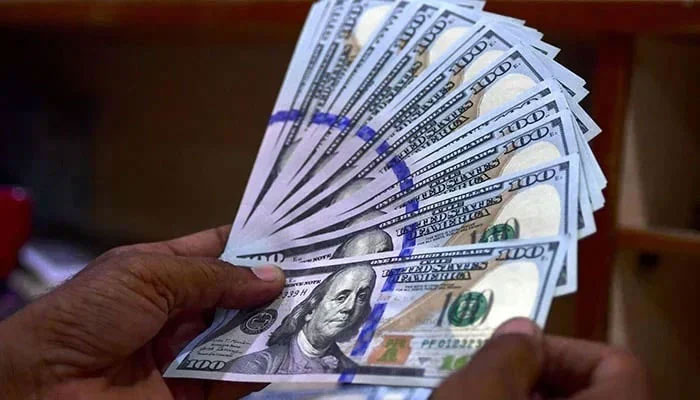
KARACHI: Foreign direct investment (FDI) inflows to Pakistan rose 64 per cent year-on-year to $136 million in the first month of fiscal year 2025, the central bank data showed on Monday.
However, FDI decreased by 19 per cent on a month-on-month basis. In June 2024, these inflows totalled $169 million.China accounted for the bulk (33 per cent) of foreign direct investment inflows into the country. According to SBP data, in July, the amount invested by Chinese companies rose by 112 per cent to $45 million.
Compared to the same period last year, direct investments from Hong Kong rose by 45 per cent to $42 million in July. Moreover, Pakistan got $22 million in foreign direct investment (FDI) from the UK, an increase of 14 per cent from a year earlier.
The power sector saw the largest FDI inflows, with $62 million in FDI received in July, up 24 per cent from the same month last year. FDI into the oil and gas exploration industry reached $30 million, a 75 per cent increase from the year before. FDI in the financial businesses reached $20 million in July, up 341 per cent from a year ago.
Pakistan must achieve economic and political stability to attract more foreign direct investment. The country is awaiting final approval for its new $7 billion loan programme from the International Monetary Fund’s executive board, which will enhance global investors’ confidence in the country's economy.
Even with Pakistan’s overall current deficit remaining small -- an average of just 1.1 per cent of gross domestic over the coming five years, Pakistan will face trouble financing this deficit, according to a report released last month by BMI, a Fitch Solutions Company.
Pakistan’s difficult business environment deters FDI, leaving the country dependent on foreign borrowing, grants from friendly governments and IMF bailouts, it said.
“While our core view remains that Pakistan’s political importance means that foreign partners will continue to provide funding, a reliance on this form of occasional emergency funding will frequently prompt worries about the sustainability of the balance of payments position,” it said.
However, risks are weighted towards a wider deficit. One key risk comes from oil prices. If violence in the Middle East pushes up global oil prices, this would weigh heavily on Pakistan’s import bill. It is also possible that poor weather conditions within Pakistan could disrupt agricultural production, which would cut exports and raise imports, according to the report.







-
 Benny Blanco Addresses ‘dirty Feet’ Backlash After Podcast Moment Sparks Online Frenzy
 -
 Sarah Ferguson Unusual Trait That Confused Royal Expert
 -
 Prince William, Kate Middleton Left Sarah Ferguson Feeling 'worthless'
 -
 Ben Affleck Focused On 'real Prize,' Stability After Jennifer Garner Speaks About Co Parenting Mechanics
 -
 Luke Grimes Reveals Hilarious Reason His Baby Can't Stop Laughing At Him
 -
 Why Kate Middleton, Prince William Opt For ‘show Stopping Style’
 -
 Here's Why Leonardo DiCaprio Will Not Attend This Year's 'Actors Award' Despite Major Nomination
 -
 Ethan Hawke Reflects On Hollywood Success As Fifth Oscar Nomination Arrives
 -
 Tom Cruise Feeling Down In The Dumps Post A Series Of Failed Romances: Report
 -
 'The Pitt' Producer Reveals Why He Was Nervous For The New Ep Of Season Two
 -
 Maggie Gyllenhaal Gets Honest About Being Jealous Of Jake Gyllenhaal
 -
 'Bridgerton' Star Luke Thompson Gets Honest About Season Five
 -
 Prince William On Verge Of Breakdown Because Of 'disgraced' Andrew
 -
 Tig Notaro Reflects On Oscar Nod For 'Come See Me In The Good Light': 'I Was Sleeping'
 -
 Kenyon Sadiq Sets 40-yard Dash Record At NFL Scouting Combine, Eyes First Round
 -
 Talk Show Host Drops Hint About Taylor Swift, Travis Kelce Wedding Date