
Legally sourced petrol sales surge in Balochistan
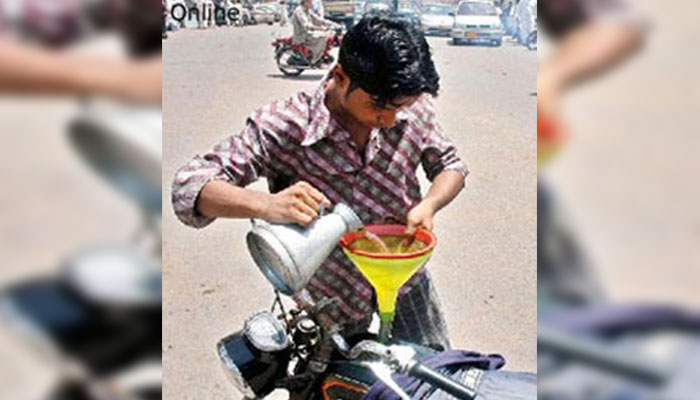
KARACHI: The sale of legally sourced petrol has seen a dramatic increase in Balochistan over the past 10 days, particularly in Quetta, following road blockades in the province.
The nation’s oil sector has reported a tenfold increase in the sale of petroleum products in Quetta, the provincial capital of Balochistan. “We have recorded the sale of 600,000 litres of petrol over the past several days in Quetta, compared to less than 50,000 litres per day previously,” representatives from oil marketing companies informed The News.
They explained that smuggled petrol from Iran typically meets the province’s demand, especially in Quetta, the largest city in Balochistan.
The Baloch Yakjehti Committee (BYC) had called for a public meeting in the port city of Gwadar, which resulted in the closure of roads and major arteries across the province by both protesters and local administrations.
Oil sector representatives stated that smuggled Iranian petrol is usually transported to Quetta from Taftan, a border city, and the roads between these locations have been blocked, with some still closed.
“The road closures led to a significant increase in the sale of petrol through legal channels, as Quetta relied on supplies from OMCs when Iranian petrol was unable to reach the city,” sector representatives noted.
They added that as the situation in the province stabilizes and some roads reopen, the supply of smuggled petrol has resumed, albeit in smaller quantities.“We observed a drop in legal petrol sales to 300,000 litres per day in Quetta on Wednesday, indicating that smuggled Iranian petrol is once again being supplied,” they said.
The sector representatives criticized the government’s claims of a crackdown on smuggling, arguing that recent events reveal the truth about the significant increase in formal petrol sales during the road closures.
The oil sector has consistently raised concerns about the impact of Iranian petroleum products on the country, claiming that it damages the business of oil marketing companies and refineries while causing revenue losses for the government. The Oil Companies Advisory Council (OCAC) has repeatedly urged the government to enforce a complete ban on the smuggling of these products, but such products continue to enter the local market.







-
 Netflix, Paramount Shares Surge Following Resolution Of Warner Bros Bidding War
 -
 Bling Empire's Most Beloved Couple Parts Ways Months After Announcing Engagement
 -
 China-Canada Trade Breakthrough: Beijing Eases Agriculture Tariffs After Mark Carney Visit
 -
 London To Host OpenAI’s Biggest International AI Research Hub
 -
 Elon Musk Slams Anthropic As ‘hater Of Western Civilization’ Over Pentagon AI Military Snub
 -
 Walmart Chief Warns US Risks Falling Behind China In AI Training
 -
 Wyatt Russell's Surprising Relationship With Kurt Russell Comes To Light
 -
 Elon Musk’s XAI Co-founder Toby Pohlen Steps Down After Three Years Amid IPO Push
 -
 Is Human Mission To Mars Possible In 10 Years? Jared Isaacman Breaks It Down
 -
 ‘Stranger Things’ Star Gaten Matarazzo Reveals How Cleidocranial Dysplasia Affected His Career
 -
 Google, OpenAI Employees Call For Military AI Restrictions As Anthropic Rejects Pentagon Offer
 -
 Peter Frampton Details 'life-changing- Battle With Inclusion Body Myositis
 -
 Waymo And Tesla Cars Rely On Remote Human Operators, Not Just AI
 -
 AI And Nuclear War: 95 Percent Of Simulated Scenarios End In Escalation, Study Finds
 -
 David Hockney’s First English Landscape Painting Heads To Sotheby’s Auction; First Sale In Nearly 30 Years
 -
 How Does Sia Manage 'invisible Pain' From Ehlers-Danlos Syndrome