
US, China hold first informal nuclear talks in 5 years, eyeing Taiwan
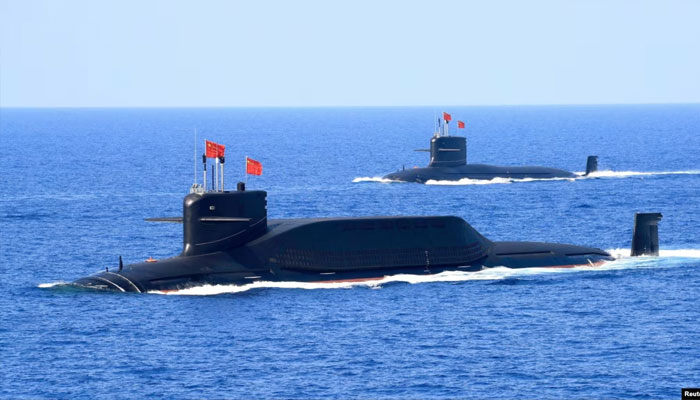
HONG KONG: The United States and China resumed semi-official nuclear arms talks in March for the first time in five years, with Beijing’s representatives telling US counterparts that they would not resort to atomic threats over Taiwan, according to two American delegates who attended.
The Chinese representatives offered reassurances after their US interlocutors raised concerns that China might use, or threaten to use, nuclear weapons if it faced defeat in a conflict over Taiwan. Beijing views the democratically governed island as its territory, a claim rejected by the government in Taipei.
“They told the US side that they were absolutely convinced that they are able to prevail in a conventional fight over Taiwan without using nuclear weapons,” said scholar David Santoro, the US organiser of the Track Two talks, the details of which are being reported by Reuters for the first time.
Participants in Track Two talks are generally former officials and academics who can speak with authority on their government’s position, even if they are not directly involved with setting it. Government-to-government negotiations are known as Track One.
Washington was represented by about half a dozen delegates, including former officials and scholars at the two-day discussions, which took place in a Shanghai hotel conference room.
Beijing sent a delegation of scholars and analysts, which included several former People’s Liberation Army officers.
A State Department spokesperson said in response to Reuters’ questions that Track Two talks could be “beneficial”. The department did not participate in the March meeting though it was aware of it, the spokesperson said.
Such discussions cannot replace formal negotiations “that require participants to speak authoritatively on issues that are often highly compartmentalized within (Chinese) government circles,” the spokesperson said.
Members of the Chinese delegation and Beijing’s defence ministry did not respond to requests for comment.
The informal discussions between the nuclear-armed powers took place with the US and China at odds over major economic and geopolitical issues, with leaders in Washington and Beijing accusing each other of dealing in bad faith.







-
 Gigi Hadid Talks About 'relieving Tension' Amid Having Hashimoto's Disease
 -
 Sarah Ferguson Is 'persona Non Grata', Prince William Makes It Clear To Everyone
 -
 Northern Lights Alert On Valentine’s Day: How, Where & Best Time To Watch Auroras
 -
 Dennis Quaid Reveals What Keeps His Marriage To Laura Savoie Healthy
 -
 Mustafa Suleyman Says Microsoft Is Building Its Own AI Superintelligence
 -
 Jessica Alba, Cash Warren Finalize Divorce After 16 Years Of Marriage
 -
 China’s AI Boom Takes Center Stage At Spring Festival One Year After DeepSeek Stirred The Industry
 -
 James Van Der Beek Called His Sixth Child Jeremiah 'healing For Us' Before His Death
 -
 Elon Musk Vs Reid Hoffman: Epstein Files Fuel Public Spat Between Tech Billionaires
 -
 Gordon Ramsay Denies Victoria Beckham Got Handsy With Brooklyn At His Wedding
 -
 Gordon Ramsay Makes Unexpected Plea To Brooklyn As He Addresses Beckham Family Feud
 -
 Prince Harry Warns Meghan Markle To 'step Back'
 -
 Selena Gomez Explains Why She Thought Lupus Was 'life-or-death'
 -
 New Zealand Flood Crisis: State Of Emergency Declared As North Island Braces For More Storms
 -
 Nancy Guthrie Case: Mystery Deepens As Unknown DNA Found At Property
 -
 James Van Der Beek's Brother Breaks Silence On Actor's Tragic Death