
Jilani’s unfulfilled judicial journey
Chief Justice Iftikhar Muhammad Chaudhry wanted to appoint him to the Islamabad High Court (IHC), but Jillani faced a significant obstacle
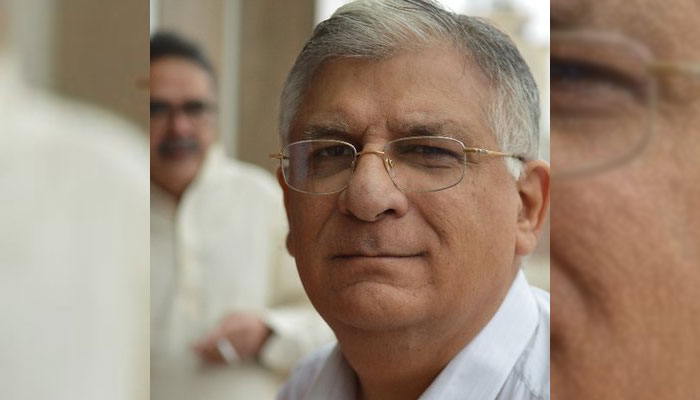
ISLAMABAD: Born in the United States to Pakistani parents, Anees Jillani is licenced to practice law in the Supreme Court of Pakistan and all the high courts.
Chief Justice Iftikhar Muhammad Chaudhry wanted to appoint him to the Islamabad High Court (IHC), but Jillani faced a significant obstacle.
Jillani held dual citizenship in the US and Pakistan. Although this is not a disqualification for becoming a judge, it posed a moral dilemma for Chief Justice Chaudhry. Jillani met the requirements for a high court judge—being a Pakistani citizen, over 40 years old, and having more than 10 years of legal practice as an eminent lawyer with an international reputation. Despite this, there was a crucial objection.
Chief Justice Chaudhry acknowledged Jillani’s qualifications but was concerned about the precedent, as he had previously disqualified lawmakers on the same grounds. He expressed that it would be inappropriate to recommend a dual national for the judiciary when he believed judges, like parliamentarians, should have undivided loyalty to one country. The suggestion to induct Jillani as a judge originated from Justice Anwar Khan Kasi, the then chief justice of the Islamabad High Court, who shared the plan with Justice Chaudhry. Justice Kasi advised Jillani to meet with Justice Chaudhry regarding his citizenship status. Jillani proposed surrendering his US citizenship upon his induction into the judiciary. However, Justice Chaudhry made it a pre-condition. Jillani consulted the US ambassador to Pakistan at that time, who advised against renouncing his American nationality. Despite this advice, Jillani applied for and successfully revoked his US citizenship.
By the time Jillani had renounced his US citizenship, Justice Chaudhry had retired in December 2013 without fulfilling the commitment. The succeeding Chief Justice, Tasadduq Jillani, did not consider him, fearing it might be seen as favouritism since both shared the same surname, though they were not related.
The next Chief Justice, Justice Nasirul Mulk, also overlooked him, and instead, Athar Minallah was appointed judge. Jillani ultimately lost his US citizenship without being inducted into the judiciary. There are no chances of restoring his citizenship easily; he would have to reapply for a green card and spend the requisite number of years in the US to qualify for citizenship again, a process he is unlikely to undertake given his commitments in Pakistan. Jillani has confirmed the details of this story.







-
 Panthers Vs Islanders: Dmitry Kulikov Returns From Injured Reserve As Schwindt Hits IR
 -
 SAG-AFTRA Drops SAG Awards Name To Rebrand
 -
 Next Full Moon: How To Watch The Total Lunar Eclipse On March 3
 -
 Bhad Bhabie Shares Tender Moment With Daughter Amid Cancer Setback Hint
 -
 Silver, Gold Prices Surge Amid Geopolitical Uncertainty After US-Israel Attack On Iran
 -
 Britain To Trial Social Media Ban For Hundreds Of Thousands Of Children Under-16
 -
 Prince Harry Should Face Same Fate As Shamed Andrew, Says Expert
 -
 Oil Price Jumps, Stocks Fall After US And Israel Strike Iran
 -
 Demi Lovato Admits Younger Self 'would Never Believe' Her Life Now: 'It Can Get Better'
 -
 Gunman Identified After Texas Bar Shooting Leaves 3 Dead, 14 Injured
 -
 Meghan Markle Was Bad Mouthed By Royals On King Charles Coronation
 -
 'Bridgerton' Season 4: Showrunner Talks About Violet's Steamy Romance
 -
 John Tesh Recalls ‘uncomfortable’ Backlash Over ’70s Romance With Oprah Winfrey
 -
 Meghan Markle, Prince Harry Problem Was Not ‘work’ During Time With Royals
 -
 Meta Strikes Multi-billion-dollar AI Chip Deal With Google: Will The New Collaboration Pay Off?
 -
 Gracie Abrams Breaks Silence After Losing 2026 BRIT Award