
Even cigarette taxation proposed to tackle health concerns
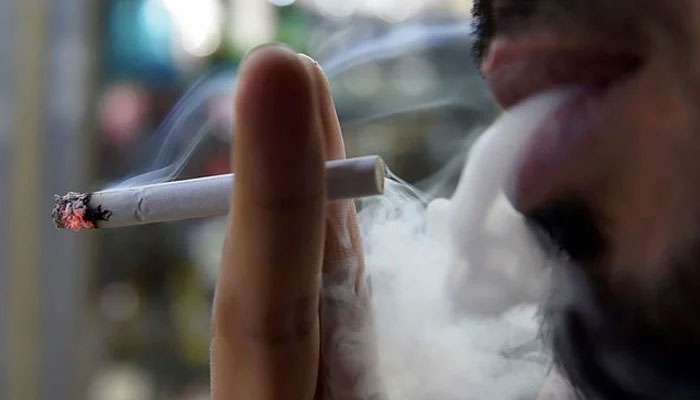
Islamabad : The International Monetary Fund (IMF) has recently proposed a uniform taxation on tobacco sector to tackle the significant economic losses suffered by Pakistan due to the dominance of the cigarette industry, high consumption rates and subsequent health cost over the years.
In its report, the IMF has urged Pakistan to implement uniform taxation on cigarettes, emphasising the need to address health concerns and generate maximum revenue from the sector. The IMF’s recommendation comes in the wake of a significant decline in cigarette consumption by 20-25 per cent following an increase in taxes on tobacco products. It also advocates subjecting e-cigarettes to similar taxation as traditional tobacco products, highlighting comparable health impacts.
Health activists have rallied behind the IMF’s recommendations, echoing the need for restructuring tobacco taxation in Pakistan. The Sustainable Development Policy Institute (SDPI) has previously highlighted discrepancies in the tax collection framework. According to SDPI’s report based on FBR data, Pakistan suffered a loss of Rs567 billion in revenue over the past seven years. Former federal Minister for National Health Services, Dr. Nadeem Jan, also advocated for a substantial 50 percent tax increase on tobacco products to deter consumption, especially among youth, citing severe health concerns. His demand is based on article 6 of WHO Framework Convention on Tobacco Control.
Pakistan’s commitment to the Framework Convention on Tobacco Control (FCTC) underscores the importance of a unified pricing system for cigarettes to regulate the industry effectively and discourage consumption. The World Health Organization (WHO) advocates for robust tax measures to reduce tobacco consumption, citing the effectiveness of a 10% increase in tobacco prices typically leads to a 4% decrease in overall tobacco consumption in high-income countries and up to an 8% decrease in low- and middle-income countries.
A study by the Pakistan Institute of Development Economics (PIDE) highlights the dire consequences of smoking-related diseases and deaths, with costs amounting to Rs615.07 billion ($3.85 billion) in 2019, equivalent to 1.6% of the GDP. The recent decision by the Pakistani government to increase the Federal Excise Duty (FED) on cigarettes has resulted in both revenue gains and a reduction in the rate of smoking. A World Bank report suggests that applying the current tax rate on premium cigarettes to standard cigarettes could further enhance revenue generation. Country Head of Campaign for Tobacco Free Kids (CTFK), Malik Imran Ahmed said policymakers are urged to heed the IMF’s recommendations and implement comprehensive tax reforms to safeguard public health and bolster fiscal stability.”







-
 How Did Luci4 Die? Police Probes 'BodyPartz' Sudden 'suspicious' Death
 -
 King Charles Criticized By Princess Anne Over Andrew Drama
 -
 Hailee Steinfeld Details Preparations Ahead Of Welcoming First Kid With Josh Allen
 -
 Shocking Details Revealed About Gunman 'Austin Tucker' Shot Dead At Trump’s Resort 'Mar-a-Lago'
 -
 Queen Camilla Meets Gisèle Pelicot, Sends Powerful Message To Victims As Andrew's Scandal Deepens
 -
 Cancer-stricken King Charles At Breaking Point?
 -
 Andrew Leaves King Charles No More Moves To Play: ‘Can’t Just Say We Got Nothing’
 -
 Sterling K. Brown Explains How Sharing His Kids' Photos On Social Media Can Keep Them Safe
 -
 Keir Starmer Gives Major Advise To King Charles Amid Andrew Scandal
 -
 Nick Reiner Pleads Not Guilty In Famous Parents' Double Murder Which Shocked The World
 -
 Benicio Del Toro On Losing Mom In Chldhood: 'I’m Still Dealing With It'
 -
 More Than 500,000 Without Power As Blizzard Hits US Northeast
 -
 Winona Ryder Lands Secret Role In 'Wednesday' Season Three, Marking Reunion With Tim Burton
 -
 Andrew, Fergie’s Life Without The Bells And Whistles Turns Grimmer: ‘A Lot More Was Happening’
 -
 Nicole Kidman And Keith Urban's Divorce Drama Deepens As Teen Daughters 'stick' By Their Mother's Side
 -
 William, Kate Desperate To Make Public Statement Distancing Themselves From Andrew