
Mining safety
Working underground in unstable mines will always be risky, to say nothing of accumulated health hazards of breathing in dust and chemical particles
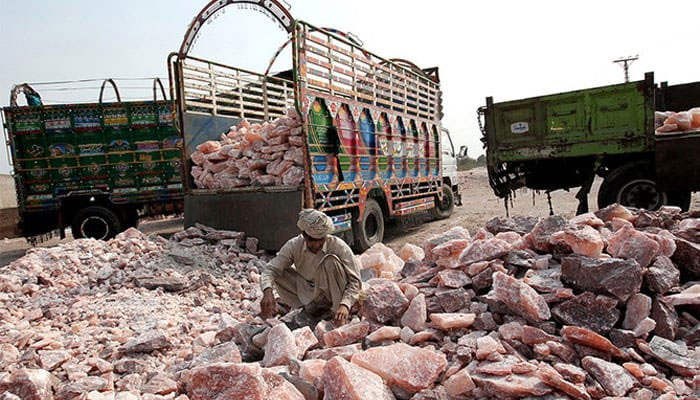
The job of a coal miner is a dangerous one even in the best of conditions. Working hundreds of feet underground in enclosed, unstable mines will always be risky, to say nothing of the accumulated health hazards of breathing in dust and chemical particles. It is the job of the government to minimize these risks through a strong regulatory system that prioritizes regular checks and enforces strict rules on safety conditions. Time and again, however, the state has come up short. On Tuesday, at least 12 miners died in a gas explosion at a coal mine in Balochistan’s Harnai District.
Pakistan’s fascination with private-led growth has led to a few disadvantages. The reliance on the private sector to contribute to economic growth and the urge to keep the sector happy have turned the government into a bystander where it seldom keeps checks on the business operations of private enterprises and reprimands them for any violations. There are certainly laws in place to reduce the risk of accidents. The Mines Act of 1923 and the Coal Mines Ordinance of 1960 both lay out safety procedures and call for inspections. Yet these laws are ignored both by ravenous mine owners who maximize their profits on the backs of the working poor and a state that has never attached any importance to workers’ rights. As in almost every other private industry, labour unions in the mining sector have been deliberately weakened over the years. At a time when the economy is near default, most workers do not enjoy the liberty to unionize and protest for fair treatment. Private companies see all such protests as a valid justification for job termination, leaving employees with no other option than to silently suffer. It requires businesses to invest heavily in workers’ safety.
The production of innovative products depends on these natural resources. And yet, the people responsible for extracting them are treated as dispensable. The entire world stands on the shoulders of the working class, and they cannot be ignored or abandoned for long. The recently elected chief minister of Balochistan has to take steps to ensure that these incidents are not repeated. The province is already undergoing chaos, and a majority of the population is dissatisfied with the way the government treats them. The only way to reduce the incidence of mining accidents is by empowering miners and charging mine owners with criminal negligence every time there is an accident. It should not take loss of precious life for us to wake up to the need for better safety procedures.







-
 Neve Campbell Explains Why She Avoids Watching Scary Movies As She Returns To 'Scream 7'
 -
 Milan Tram Crash Leaves Two Dead, 39 Injured
 -
 Timothee Chalamet Touches On His Personality's Relatability With 'Marty Supreme' Role
 -
 Benny Blanco Explains Why His Feet Were Dirty During Podcast Debut
 -
 Jake Humphrey Shares The Powerful Meaning Behind His Wrist Tattoo
 -
 Matthew Lillard Weighs In On His Return To The 'Scream' Franchise After Decades Of Persistence
 -
 Travis, Jason Kelce Share Blunt Dating Advice For Men: 'She's Gonna Hate You'
 -
 Australia To Launch First High-speed Bullet Train After 50-years Delay
 -
 Meghan Markle Turns To Desperate Bids & Her Kids Are Her ‘saving Grace’: Here’s What They’ll Do
 -
 King Charles Gives A Nod To Sister Anne's Latest Royal Visit
 -
 Christian Bale Shares Rare Views On Celebrity Culture Urging Fans Not To Meet Him In Person
 -
 Ariana Grande To Skip Actor Awards Despite Major Nomination
 -
 North Carolina Teen Accused Of Killing Sister, Injuring Brother In Deadly Attack
 -
 Ryan Gosling Releases Witty 'Project Hail Mary' Ad With Sweet Reference To Eva Mendes
 -
 Teyana Taylor Reveals What Lured Her Back To Music After Earning Fame In Acting Industry
 -
 Prince William Shows He's Ready To Lead The Monarchy Amid Andrew Scandal