
Countering violent extremism through peace education
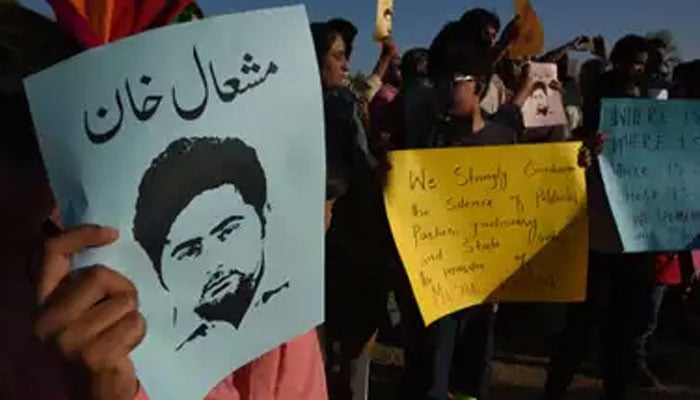
Peace education is vital for fostering balanced thinking in society. Establishing peace is indispensable for nurturing a secure landscape in Pakistan.
The scourge of extremism, radicalisation, and violence has permeated society deeply, necessitating a multi-layered approach to combat intolerance. Recent incidents, such as the harassment of a woman wearing Arabic calligraphy attire, highlight our societal challenges. Nonetheless, the prompt response of the police in rescuing the victim from a violent mob averted a tragedy.
Tragic events, such as the brutal lynching of Piranha Kumara, Mishal Khan, Mughees, and Muneeb Butt, continue to haunt us, rendering minorities vulnerable to violence. Peace education helps identify core conflict issues, resolve them, and establish lasting peace.
Additionally, ideological refutation aids in crafting a harmonious society, countering religion-based violence contrary to Islamic teachings.
Education serves as a significant instrument to transform deviant minds and foster connections between people and communities. Inclusive resilience-building, mentoring programmes, and cultural peace initiatives are essential strategies to eradicate violence. However, successful peace education requires a solid understanding of relevant policy outlines and their practical implementation. Critical thinking and the adoption of alternative narratives are crucial for preventing violence through education. Addressing radicalisation factors like geopolitical tensions and socioeconomic disparities requires a comprehensive, inclusive approach.
Respect for diversity and religious-cultural differences can counter bipartisan thinking. Positive youth transformation through peace education is key, as knowledge and vocational expertise combat violence effectively.
Formal education promotes peace, fortitude, and resilience, with academic institutions playing a pivotal role in shaping perceptions. Violence impedes progress and instills fear within communities, necessitating education as a catalyst for critical thinking and community cohesion.
Multiculturalism, acceptance of diversity, and community involvement are essential in rooting out extremism. Educational reforms promoting cultural and political pluralism aid in countering extremism in all its forms.
Soft approaches like peace education and deradicalisation are crucial complements to traditional security measures in tackling extremism.
These strategies are essential to upholding human rights and promoting peaceful coexistence in societies worldwide. —Dr Muhammad Rizwan Bhatti







-
 Kanye West's Best Songs: Fans Argue Over Bold Top 10 Ranking On Social Media
 -
 King Charles Secretly Relies On Advice From THIS Royal
 -
 Jennifer Garner Reveals Beauty Choice She Makes As Botox Alternative In Her 50s
 -
 Kate Middleton Drops Four-word Message For Young Girl After Wales Visit
 -
 Shamed Andrew Uncensored ‘massages’ Should Be Refunded To Public
 -
 Kylie Kelce Reveals Rules She Wants Daughter Bennett To Learn At 3: No More 'passies'
 -
 Smartphone Market Set For Biggest-ever Decline In 2026
 -
 Mud, Rain, Loincloths: All About Japan’s 200-year-old Harvest Wrestling Ritual
 -
 Jonathan Majors Set To Make Explosive Comeback To Acting After 2023 Conviction
 -
 Next James Bond: Why Jacob Elordi May Never Get 007 Role?
 -
 Maddox Drops Pitt From Surname In Credits Of Angelina Jolie’s New Film 'Couture' Despite Truce From Father's End In Legal Battle
 -
 Meghan Markle Adds Diamonds To Engagement Ring For Jordan Trip
 -
 Burger King Launches AI Chatbot To Track Employee Politeness
 -
 Andrew’s Woes Amid King Charles’ Cancer Battle Triggers Harry Into Action For ‘stiff Upper Lip’ Type Dad
 -
 Experts Warn Andrew’s Legal Troubles In UK Could Be Far From Over
 -
 Teyana Taylor Reflects On Dreams Turning Into Reality Amid Major Score