
Collaborative scientific efforts can foster peace and sustainable development
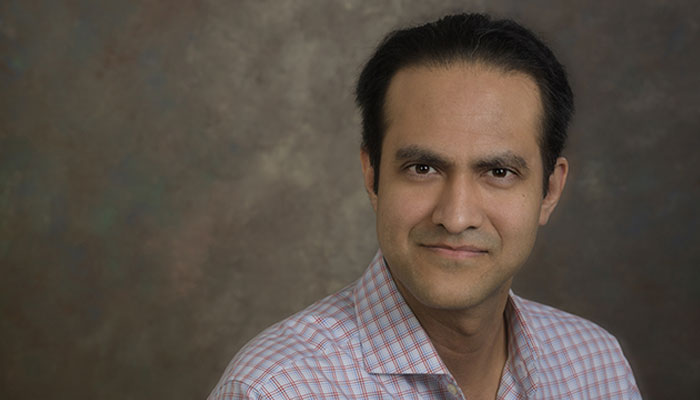
Islamabad : Dr Saleem H Ali, chair, Department of Geography, University of Delaware, USA, has said that that collaborative scientific efforts can transcends national boundaries to foster peace and sustainable development.
Dr Ali was delivering keynote address at a public talk on “Pakistan’s opportunity for science diplomacy in South Asia” hosted here by Institute of Strategic Studies (ISS), Dr Ali underscored Pakistan's unique position, given its rich scientific heritage and strategic geographical location, suggesting that the country can play a leading role in utilising science for diplomatic endeavours on a global scale, not just within South Asia. He stressed the importance of addressing pressing global challenges such as climate change, pandemic preparedness and sustainable development goals.
He advocated a dynamic and adaptable diplomatic approach proposing the establishment of international agreements on research integrity, merit-based criteria for international students, mechanisms for prevention science, a crisis research collaboration fund and effective science communication strategies to counter misinformation. His comprehensive framework positioned Pakistan as an important player in influencing the global scientific landscape and contributing significantly to international cooperation and progress.
Kamran Akhtar, additional secretary, participating as discussant highlighted the progress made by Pakistan within the context of the Ministry of Foreign Affairs’ science diplomacy initiative.
Earlier in his welcome remarks, Sohail Mahmood, DG, ISS, noted that science diplomacy was helping to foster beneficial collaboration on key areas of focus with the relevant institutions, international organisations, and countries. He added that science diplomacy in South Asia offers the chance to address common environmental challenges and help enhance technological innovation and economic growth. Collaborative research and development projects can lead to the creation of new technologies, improved infrastructure, and increased scientific capacity in the region. Kamran Akhtar, Muhammad Adeel from Foreign Office and Dr Neelum Nigar, Khalid Mahmood from ISS also addressed the participants.







-
 Northern Lights: Calm Conditions Persist Amid Low Space Weather Activity
 -
 'Look What Andrew Has Done': Meghan Markle Defended On Jeremy Vine Show
 -
 Apple, Google Agree To Make 'app Store' Changes Over UK Regulator Concerns
 -
 Autodesk Files Lawsuit Against Google Over AI Video Tool Trademark Dispute
 -
 San Francisco 49ers Player Shot Near Post-Super Bowl Party
 -
 Kardashian-Jenner Clan Brings Lewis Hamilton Into The Fold: Watch
 -
 Meghan Markle 'quietly Dreaded' As Ex-best Friend Receives Lucrative Offer For Bombshell Memoir About Duchess
 -
 Blake Shelton, Gwen Stefani Make Big Move To Save Their Marriage
 -
 Google Warns Of State-sponsored Cyberattacks Targeting Defense Sector Employees
 -
 Ransom Deadline Passes: FBI Confirms ‘communication Blackout’ In Nancy Guthrie Abduction
 -
 Jeff Bezos Hints At Blue Origin Moon Plans As Elon Musk Responds With Cautious Praise
 -
 Zach Bryan Slams Turning Point USA Alternative Halftime Show: 'Embarrassing As Hell'
 -
 South Korea Blames Coupang Data Breach On 'management Failures,' Not Cyber Attack
 -
 ‘Disgraced’ Andrew More Concerned About ‘issue Of His Legacy’ Than Epstein Links
 -
 Instagram Plans New Snapchat-style App ‘Instants’ Amid Rising AR Competition
 -
 Safer Internet Day 2026: Is Social Media Ban The Only Way To Protect Kids?