
Iran strike
Strikes killed two children says Pakistan while Iran says it has targeted militant group Jaish al Adl
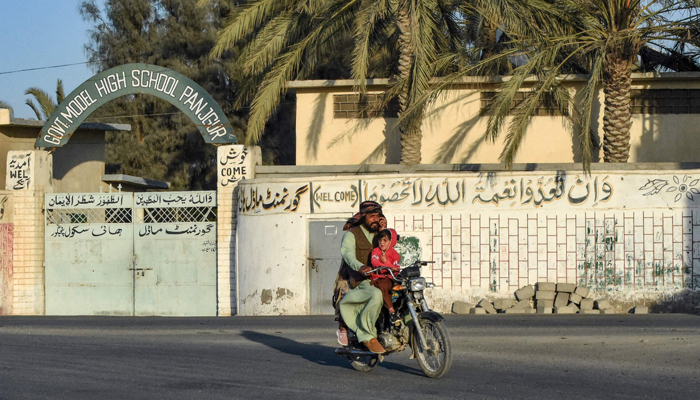
There can be no ifs and buts when a country's sovereignty is breached: it is a condemnable step no matter the rationale used for a step that could easily have been avoided. That much has to be said loud and clear regarding Iran's Tuesday night missile attacks inside Pakistan airspace on the border town of Panjgur in Balochistan. The strikes killed two children, says Pakistan, while Iran says it has targeted 'militant group Jaish al Adl'. It seems Iran was in a rush to make some point – one is unclear that that point is – since the attack on Pakistan came after Iran launched missile attacks on targets in Syria, and in Iraq’s autonomous Kurdistan region. Pakistan has justifiably condemned the attack on its soil, calling it an “unprovoked violation" of its airspace and has recalled its ambassador while also asking the Iranian ambassador to Pakistan who is currently visiting Iran to not return 'for the time being'. The Foreign Office has called the attack a blatant breach of Pakistan’s sovereignty and has warned of “serious consequences”. It is hard to disagree with this assessment. Though Iranian state media claims the strike was targeting a terrorist organization that has reportedly carried out attacks inside Iran, this does not excuse launching an attack on a neighbouring country.
China – thankfully playing big responsible brother – has asked for both sides to show 'restraint' and 'avoid actions' that would lead to escalation. This is advice both Pakistan and Iran – in particular, Iran – need to take seriously. Pakistan has responded maturely enough, avoiding a tit-for-tat response. Which is what it should continue to do – take it up diplomatically, avoid provocations to react. The Iran strike and its foreign minister's statement that the strike is somehow linked to what is happening in the Middle East at the moment has also led to security analysts asking if Pakistan has, once again, been caught in the crossfire of an expanding conflict in the Middle East instigated by a Zion-ist state and its Western backers. If this is indeed the case, it serves to underscore the destabilizing role the West plays in the region. The US and its allies have plunged the Middle East and the neighbouring regions into crisis and turmoil too many times to count. Now, by backing the ongoing aggression against the Paalestinians, the US and its allies risk repeating past mistakes and unleashing yet another round of senseless violence in the region.
Regardless of geopolitics, till now Pakistan has skillfully walked a tough tightrope balancing relations with Iran and Saudi Arabia. We need to ensure the balance remains – but the onus is also on Iran equally. It must be reiterated that going into another country – even if in hot pursuit, which this does not seem to be at least on the face of it – is a serious step. A phone call, a conversation, a high-level intimation: why Iran did not deem it worthy to opt for any of these steps before just sending across missile strikes is shocking and deserves an explanation. One hopes Tehran does give more explanation than what has been offered till now. Pakistan has rightly much to be upset about. But it is also time to ask how we have wound up in a state where ties with three out of our four neighbours have become acrimonious or near-acrimonious. While the Iranian attack must be condemned and merits a firm response, those in charge must ask themselves why so few see us as a potential partner whose claims and boundaries must be respected. The fragility of regional security and the urgent need for diplomatic solutions cannot be emphasized enough. Iran and Pakistan need to agree to restraint, constructive dialogue, and de-escalating any tensions for the sake of regional stability and prosperity.







-
 Expert Reveals What Makes Investigations Hard In Search Of Savannah Guthrie Mother Nancy: 'Silent Witness'
 -
 'SNL's Strongly Reacts To BAFTA's Racial Slur With Tourette’s Sketch
 -
 Austin Shooting Leaves Multiple Dead, Dozens Injured
 -
 Meghan Markle Friends Break Silence As Duchess Plan To Return To UK
 -
 Dua Lipa Stuns Everyone On And Off Stage At 2026 BRIT Awards
 -
 2026’s Most Visited Websites Revealed: ChatGPT Overtakes Major Platforms
 -
 Worst Cricket Moments That Shocked The Game
 -
 Prince Harry, Meghan Markle Reach A Crossroads: ‘You Could Lose Everything’
 -
 F1 Title Race: Who Will Win 2026 Drivers’ And Constructors’ Championships?
 -
 New Observatory Sends 800,000 Asteroid Alerts In One Night
 -
 Cher’s Son Elijah Blue Allman Apprehended On Two Counts Of Assault At Elite Prep School
 -
 Beatrice, Eugenie Now Face Andrew, Sarah's ‘nightmares’: 'They're Hugely Conflicted'
 -
 X Debuts Topic Filtering To Help Users Shape Their ‘For You’ Recommendations
 -
 Scientists Built World's First Computer That Learns Like Human Brain
 -
 Robert Carradine’s Daughter Makes Bombshell Confession As Actor's Death Cause Confirmed
 -
 Beatrice, Eugenie Put On Blast: ‘Only Nitwits Wouldn’t See An Association With A Pedophile As Toxic’