
Pledges vs reality
LAHORE: The government officials have been scrambling to attract foreign investment to the country, but their claims of success are often met with scepticism and lack of confirmation from investors.
The country has been expecting $100 billion investment on the basis of these commitments of which some commitments were made one year back. Still we have not even received $2 billion in investment.
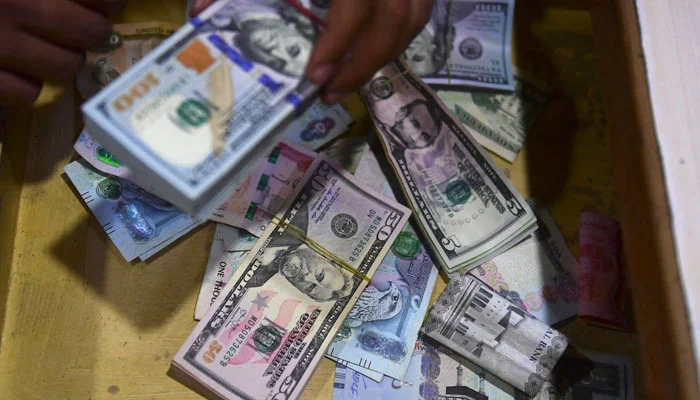
The country does not need loans that would be spent on consumption but productive industrial or agriculture investment to increase productivity and create new jobs. Why is it so that similar investments promised by Gulf States to neighboring India have materialized? We must analyze our shortcomings. When openly made investment commitments go unfulfilled for over a year the other prospective investors also hold their resources or commit them elsewhere.
The actual position is that there is a dearth of good economic news in Pakistan and successive rulers in Pakistan have tried to boost public sentiments by signing MoU’s worth billions of dollars which almost never materialize. This is the reason that domestic investors never take these declarations seriously. The general public though buys this narrative. This time around there is as much confusion in public as among domestic investors.
One thing different this time is that the stock market is galloping as never before. It is true that the number of shares up for grabs in the market are limited and with the government being the main player can manipulate it. But another point worth noting is that the foreign portfolio investors have entered the capital market late after it was in complete Bull command. They are buying shares at higher values.
What is that induced the foreign funds to enter Pakistan. This cannot be for making good profits in trading as the shares were bought at higher rates. They are in fact smelling a turnaround in the economy. If that is true then the question is how long would it take the promised foreign investment to enter Pakistan? And what should the Pakistani investors’ do.
Pakistan’s economy is currently operating on compressed demand. The population is increasing at an annual rate of over 2.5 percent while the investment in essential daily use items has not kept up with the consumer demand.
The only investments made in the last two decades were on items that are consumed by the upper class. It includes cement, auto industry and many others. We are importing many items from needles to some electronic gadgets to meet the demand. Prices of essential goods are rising in Pakistan because of lower production capacities of essential items industries.
It is time for domestic manufacturers to increase their share in the domestic market, otherwise a day will come when imports because of volume of scale would become attractive and competitive for the competitors. Already we are importing a large quantity of shampoos, hair oils, and toilet soaps.
The importers are the same multinational companies that produce these items in Pakistan. They probably import because they are short of capacity or because importing some items is cheaper than producing them in Pakistan. The state should look at the issue and address high cost issues.







-
 Netflix, Paramount Shares Surge Following Resolution Of Warner Bros Bidding War
 -
 Bling Empire's Most Beloved Couple Parts Ways Months After Announcing Engagement
 -
 China-Canada Trade Breakthrough: Beijing Eases Agriculture Tariffs After Mark Carney Visit
 -
 London To Host OpenAI’s Biggest International AI Research Hub
 -
 Elon Musk Slams Anthropic As ‘hater Of Western Civilization’ Over Pentagon AI Military Snub
 -
 Walmart Chief Warns US Risks Falling Behind China In AI Training
 -
 Wyatt Russell's Surprising Relationship With Kurt Russell Comes To Light
 -
 Elon Musk’s XAI Co-founder Toby Pohlen Steps Down After Three Years Amid IPO Push
 -
 Is Human Mission To Mars Possible In 10 Years? Jared Isaacman Breaks It Down
 -
 ‘Stranger Things’ Star Gaten Matarazzo Reveals How Cleidocranial Dysplasia Affected His Career
 -
 Google, OpenAI Employees Call For Military AI Restrictions As Anthropic Rejects Pentagon Offer
 -
 Peter Frampton Details 'life-changing- Battle With Inclusion Body Myositis
 -
 Waymo And Tesla Cars Rely On Remote Human Operators, Not Just AI
 -
 AI And Nuclear War: 95 Percent Of Simulated Scenarios End In Escalation, Study Finds
 -
 David Hockney’s First English Landscape Painting Heads To Sotheby’s Auction; First Sale In Nearly 30 Years
 -
 How Does Sia Manage 'invisible Pain' From Ehlers-Danlos Syndrome