
Wasted harvests
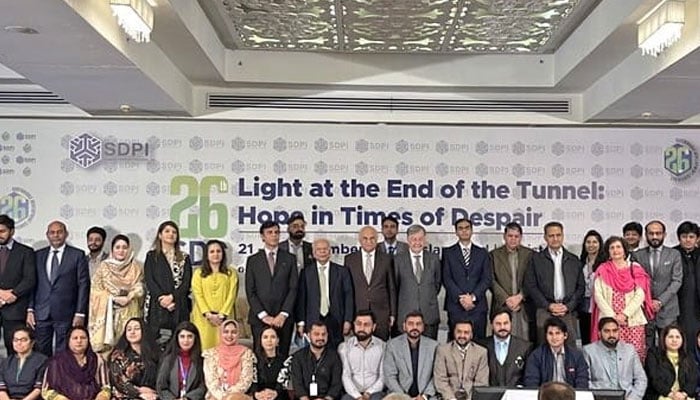
That an agricultural country is facing food shortages sounds almost like an oxymoron. But Pakistan is a country where truth is stranger than fiction. In our truth, the world’s eighth largest producer of agricultural output is failing to achieve food security. On Wednesday, medical experts came together to attend the 26th Annual Sustainable Development Conference organized by the SDPI, and suggested that a change in dietary preferences and reduction in food waste can help the country reduce its ever-evolving problems of food insecurity and malnutrition. On the 2023 Global Hunger Index, Pakistan ranks 102 out of 125 countries and has a level of hunger that is ‘serious’. And it is rather alarming that the country has done nothing to improve its situation. While it is true that Pakistan is a poor country that relies mostly on food imports to meet the basic needs and that after the 2022 floods the country faced multifaceted challenges including the loss of crop and the financial inability to have a smooth flow of imports, policymakers show a complete lack of will when it comes to doing something on our own to meet the targets of food security. Pakistan needs external financing to rebuild the areas destroyed by the floods, but nothing in the world encourages the country to sacrifice its green, fertile lands for housing schemes, allowing power-hungry capitalists to increase their assets.
Cutting down mango orchards to develop posh housing societies, for example, is clearly in the hands of the Pakistan government, and policymakers here willingly approve such plans, with complete disregard to the ecological impacts such projects may have. It is extremely shocking that a year after the floods, a 50 per cent increase in the child undernutrition rate has been reported, which means that around 44 per cent of children under five are now stunted. Post the floods, unbridled inflation snatched away the little purchasing power that most people had. Not only did price hikes affect the poor, but the well-off also started feeling the pinch of inflation and ultimately watered down their donation activities, hitting the poor and the working class hard.
While countries around the world are taking initiatives to cut down food waste, Pakistan wastes 26 per cent of its total food production, something the country evidently cannot afford to do so. Pakistan has to redraft its food production and distribution policies and ensure that no person sleeps on an empty stomach. The overreliance on imported food products should be discouraged and high-quality local alternatives should be offered to people. Tackling food insecurity should be the top priority of our government, and everyone has to play their part in achieving this target.







-
 Kelsea Ballerini, Chase Stokes Not On Same Page About Third Split: Deets
 -
 Shanghai Fusion ‘Artificial Sun’ Achieves Groundbreaking Results With Plasma Control Record
 -
 Princess Anne Enjoys Andrea Bocelli, Lang Lang Performances At Winter Olympics Opening Ceremony
 -
 Ben Stiller Cherishes Working With Late David Bowie
 -
 Anti-inflammatory Teas To Keep Your Gut Balanced
 -
 Polar Vortex ‘exceptional’ Disruption: Rare Shift Signals Extreme February Winter
 -
 Which Countries Are Worst And Best In Public Sector AI Race?
 -
 Matthew McConaughey Opens Up About His Painful Battle With THIS
 -
 Emma Stone Reveals She Is ‘too Afraid’ Of Her ‘own Mental Health’
 -
 China Unveils ‘Star Wars’-like Missile Warship For Space Combat
 -
 King Charles Facing Pressure Inside Palace Over 'Andrew Problem'
 -
 Trump Refuses Apology For Video Depicting Obama As Apes Amid Growing Backlash
 -
 Jesy Nelson Reflects On Leaving Girls' Band Little Mix
 -
 World’s First Pokemon Theme Park Opens In Tokyo, Boosts Japan Tourism
 -
 Waymo Trains Robotaxis In Virtual Cities Using DeepMind’s Genie 3
 -
 5 Simple Rules To Follow For Smooth, Healthy Hair