
Burning up
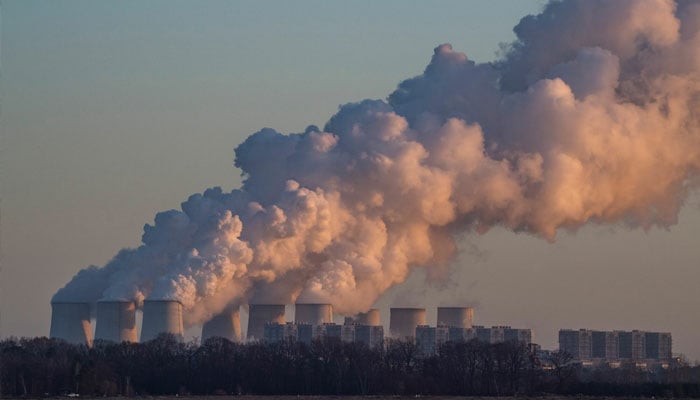
The year 2023 is all set to become the warmest year in history. The most recent report by the EU´s Copernicus Climate Change Service (C3S) highlights that last month was the hottest October in history. The disastrous effects of climate change have now become too visible. While certain parts in the US and Mexico suffered droughts this year, countries in other parts of the world recorded extreme rainfall, raising alarm bells among countries. Scientists have already explained that climate change is a direct result of our unchecked practices. The capitalist growth model has had devastating effects on the environment, and yet governments around the world are not ready to listen. And when we talk about our carbon footprint, we remain more focused on how our travel and other habits are affecting the environment. What remains hidden from the conversation is the ever-expanding weapons industry. Sophisticated weapons today are capable of inflicting irreversible damage, and yet the developed world is keen to expand its arms trade. In the Middle East, the ongoing conflict has seen an alarmingly high use of bombs where a settler state is not careful about the implications of using disastrous bombs on a small strip of land.
The publication of the report is timely as world leaders are now gearing up to meet in Dubai, United Arab Emirates for COP28 – the annual climate conference. There are some whispers among climate experts that the meeting will allow countries to pay attention to the issue more attentively. But certain factors imply that it may not be as beneficial as one would like it to be. For instance, last year, the biggest achievement of COP27 was the launch of a Loss and Damage Fund that was supposed to receive contributions from developed countries and distribute them to low-income climate-affected countries to help them make up for climate-induced losses. So far, there has been no remarkable progress in that regard with rich nations still unsure if they are liable for helping other countries fight against climate change.
For now, one solution that countries have come up with is encouraging vulnerable countries to produce carbon credits through environment friendly programmes. And while these initiatives allow polluters to keep up with their polluting habits, they may not be all too beneficial for developing countries. For instance, for the programmes to be eligible for trading, countries should first reach their NDC (Nationally Determined Contribution) targets. This further narrows down the window that they have to carry out development work. Countries have to look at this issue from all angles and come up with a foolproof plan to meet countries’ financial needs to fight against climate change.







-
 Lewis Capaldi Sends Taylor Swift Sweet Message After 'Opalite' Video Role
 -
 Sarah Ferguson Joins Andrew In ‘forcing’ Their Daughters Hand: ‘She Can Lose Everything’
 -
 'Bridgerton' Author Reveals If Actors Will Be Recast In Future Seasons
 -
 50 Cent Super Bowl Ad Goes Viral
 -
 'The Housemaid' Lifts Company's Profits: Here's How
 -
 Michael Douglas Recalls Director's Harsh Words Over 'Wall Street' Performance
 -
 Henry Czerny On Steve Martin Created Humor On 'Pink Panther' Set
 -
 Lady Victoria Hervey: Andrew Mountbatten-Windsor's Ex-girlfriend Proud Of Being On Epstein Files
 -
 Huawei Could Revive Chip Technology If US Lets Guard Down, Intel CEO Says
 -
 Dolly Parton Created One Of Her Iconic Tracks With Acrylic Nails?
 -
 Parents Alarmed As Teens Form Emotional Bonds With AI Companion Chatbots
 -
 Denzel Washington Surprises LeBron James
 -
 Cillian Murphy's Hit Romantic Drama Exits Prime Video: Here's Why
 -
 Paris Hilton Reveals What Keeps Her Going In Crazy Schedule
 -
 Deep Freeze Returning To Northeastern United States This Weekend: 'Dangerous Conditions'
 -
 Inside Dylan Efron's First 'awful' Date With Girlfriend Courtney King