
Pakistan divided on legacy of military ruler Musharraf
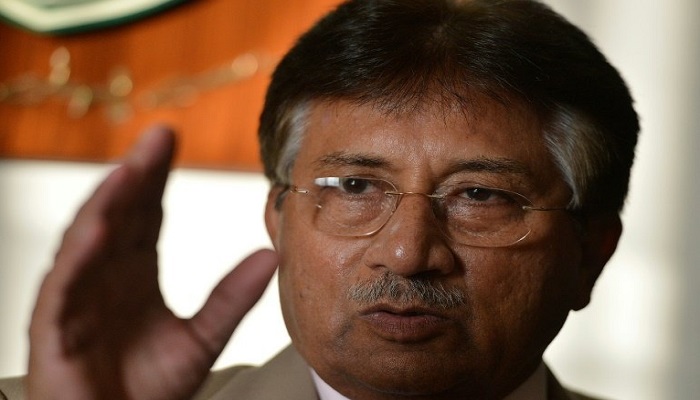
ISLAMABAD: Pervez Musharraf was a polarising figure in Pakistani politics, returning the country to a period of economic stability while accused of rampant abuses and weakening democracy.
“Musharraf boosted education standards and infrastructure in Pakistan. He brought development to the country,” 24-year-old student Mohammad Waqas told AFP in Islamabad. “But on the other hand, the country suffered losses in the face of terrorism. Entering America’s war weakened our own country.”
Pakistan is currently undergoing yet another economic crisis, and widespread political uncertainty ahead of elections due later this year. In the face of the turmoil, some remember Musharraf with a certain fondness.
“He was a good ruler. There has not been a leader like him before and there will never be one like him again,” said 70-year-old Islamabad shopkeeper Muhammad Khan. Veteran Pakistani politician and Musharraf ally Parvez Elahi told AFP: “He was a ruler with a lot of depth, who loved hard work and he would appreciate new initiatives”.
In 2006 — at the height of their alliance — US President George W. Bush called Musharraf “a strong, forceful leader [who] has become a target of those who can’t stand the thought of moderation prevailing.” His moves to overthrow an elected government and to suspend the constitution for long periods, however, also frame his legacy.
“His one act, which will be remembered throughout history, was he violated the constitution,” retired civil servant Naeem Ul Haq Satti told AFP. “The most important thing a country has is its constitution,” the 69-year-old added.
As he faced growing pressure for democratic elections, Musharraf´s oppression of critics worsened. He suspended the constitution for a second time in 2007, rounded up thousands of opponents and sacked the chief justice, leading to widespread protests.
“General Musharraf was one of the military dictators who misruled the country by... bringing in a group of sycophants,” businessman Abdul Basit told AFP in the Balochistan provincial capital of Quetta. “People do give credit to General Musharraf for developing the country but on the other hand, like his predecessors, he played havoc,” said Basit.






-
 China Cuts Anti-dumping Duties On Canadian Oil Imports After Final Trade Decision
 -
 Prince Harry, Meghan Markle Make Major Change To Strategy To Please Royal Family
 -
 Chester Bennington’s Mental Health Story And Lasting Legacy
 -
 John Cusack Gears Up To Give Fans Exciting Surprise On Late-night Television
 -
 Yerin Ha Opens Up About Shocking Diagnosis Post ‘Bridgerton’ Season 4
 -
 Meghan Markle, Harry Leave King Charles, Prince William Furious With Latest Move
 -
 NASA Announces New Artemis Moon Mission Aimed At Expanding Astronauts’ Exploration Efforts
 -
 Everything To Know About Justin Bieber's Facial Paralysis
 -
 Morgan Stanley Predicts AI To Replace Tasks Not Workers
 -
 Anthropic Dario Amodei Calls White House Response ‘retaliatory’ In AI Safety Dispute
 -
 Tia Mowry Breaks Silence On Angelina Jolie Asking 'unbelievably' Personal Question: 'Wilder'
 -
 Savannah Guthrie Speculations 'sadly' Coming True About Mother Nancy
 -
 Trump Administration Warns Of Slow Payouts For Tariff Refunds Amid Intensifying Trade Disputes
 -
 Princess Beatrice 'far From Comfortable' After Father Andrew's Arrest
 -
 Sarah Ferguson’s Dual Cancer Journey
 -
 GTA 6 Security: Rockstar Blocks Leaks Ahead Of Launch