
News Analysis: On the brink
Pakistan’s economy is currently in a precarious state, as it is facing a significant need for imports valued at approximately $60 billion
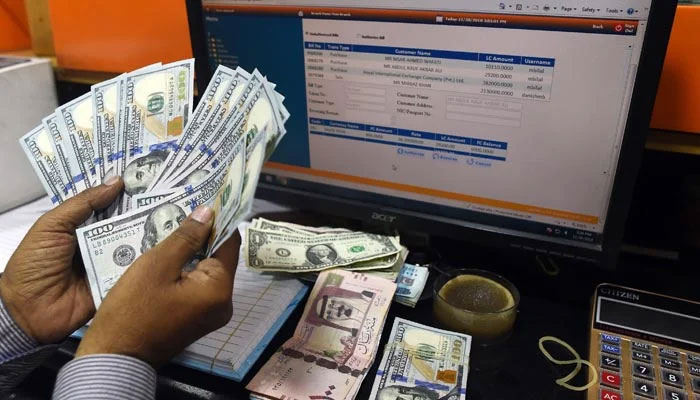
ISLAMABAD: On the brink refers to a situation approaching a dangerous or critical stage. The point of no return refers to a point in the process beyond which it becomes impossible to change the outcome without external intervention. A tipping point is a critical point at which a significant change occurs, often rapidly and unexpectedly.
Pakistan’s economy is currently in a precarious state, as it is facing a significant need for imports valued at approximately $60 billion, including wheat, petrol, diesel, crude oil, life-saving drugs, tea, lentils, cooking oil, cotton, coal, and LNG. Additionally, the country’s gross external financing requirements for this year are estimated to be around $30 billion, and it will need to pay back $75 billion in the next three years. According to the State Bank of Pakistan (SBP), as of January 6, the country’s net reserves were only $4.3 billion.
Question: Have we reached the point of no return? Answer: Yes, the economy has reached a point where it is now impossible to change the outcome without significant external financial intervention.
Question: Have we reached a tipping point? Answer: Yes, the economy has reached a critical point where a significant, rapid, and unexpected change is imminent.
In 2019, Pakistan’s Ministry of Finance designed a program to stabilize the economy and address structural imbalances. The International Monetary Fund (IMF) supported the program with a 39-month Extended Fund Facility (EFF) amounting to SDR 6.64 billion. The program includes the adoption of an ‘exchange rate realism’ approach, the implementation of a comprehensive strategy for reducing circular debt, and closing the fiscal gap through increasing revenue or decreasing expenditures.
The first step towards bringing Pakistan’s economy back from the brink is seeking external financial assistance. The IMF is the only international financial institution that conducts regular Article IV consultations with member-countries in order to monitor their economic situation and provide policy advice. Assistance from China, Saudi Arabia or the UAE is neither a substitute nor an alternative to the IMF.
Pakistan will be facing a shortage of diesel and petrol, with only 30 and 18 days of supply remaining respectively. Additionally, the country’s hospitals are in need of surgical, medical, and diagnostic equipment.
Furthermore, there is a shortage of insulin for diabetes patients, as 33 million Pakistanis are affected by the disease. The economy is on the brink, and there is currently no clear plan or political direction for addressing these issues.
A typical state is typically characterised by three key elements: politics, security policy, and economic policy. Pakistan’s trajectory is towards becoming an ‘abnormal state’ where there’s nothing but politics; no security policy and no economic policy.





-
 Leonardo DiCaprio's Co-star Reflects On His Viral Moment At Golden Globes
 -
 SpaceX Pivots From Mars Plans To Prioritize 2027 Moon Landing
 -
 J. Cole Brings Back Old-school CD Sales For 'The Fall-Off' Release
 -
 King Charles Still Cares About Meghan Markle
 -
 GTA 6 Built By Hand, Street By Street, Rockstar Confirms Ahead Of Launch
 -
 Funeral Home Owner Sentenced To 40 Years For Selling Corpses, Faking Ashes
 -
 Why Is Thor Portrayed Differently In Marvel Movies?
 -
 Dutch Seismologist Hints At 'surprise’ Quake In Coming Days
 -
 Australia’s Liberal-National Coalition Reunites After Brief Split Over Hate Laws
 -
 DC Director Gives Hopeful Message As Questions Raised Over 'Blue Beetle's Future
 -
 King Charles New Plans For Andrew In Norfolk Exposed
 -
 What You Need To Know About Ischemic Stroke
 -
 Shocking Reason Behind Type 2 Diabetes Revealed By Scientists
 -
 SpaceX Cleared For NASA Crew-12 Launch After Falcon 9 Review
 -
 Meghan Markle Gives Old Hollywood Vibes In New Photos At Glitzy Event
 -
 Simple 'finger Test' Unveils Lung Cancer Diagnosis