
Babies now have toxic pollution particles even before being born: study
Prior studies have shown polluted air can result in miscarriages, premature births and even disturbed brain development
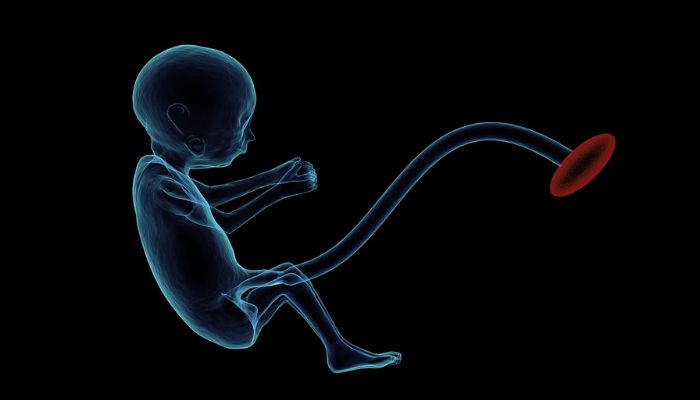
A recent study has reported shocking findings that have shown toxic air pollution particles in the lungs, brains, and other organs of unborn babies even before they began breathing.
Researchers have called their work "groundbreaking" but also "very worrying" as the gestation period, where the child develops inside the mother's womb, is the most vulnerable stage of development.
Scientists found thousands of black carbon particles in each cubic millimetre of tissue. These were the particles that the mothers breathed during pregnancy. Through the bloodstream, the toxic nanoparticles were passed on to the foetus.
Prior studies have shown that polluted air can result in miscarriages, premature births and even disturbed brain development. The recent study, however, reveals an even more unfortunate circumstance where babies can be seen directly affected before being born.
Researchers believe these particles can have lifelong effects on children's health.
The particles that were found in the baby organs were found to be made of fossil fuels in factories, vehicles, and even homes.
Surprisingly, the study was conducted on non-smoking pregnant women from Belgium and Scotland where air pollution is already low. Results suggest that it is unimaginable what unborn babies are like in countries with high pollution.
“What is even more worrying is that these particles also get into the developing human brain,” said ProfessorPaul Fowler from the University of Aberdeen in Scotland, adding that the nanoparticles could directly affect the control systems of the babies.
Professor Tim Nawrot at Hasselt University in Belgium, who co-led the study, said that the governments should take steps to cut air pollution. He also recommended that people avoid busy roads with a lot of vehicles.


-
 All you need to know guide to rosacea
 -
 Prevent cancer with these simple lifestyle changes
 -
 Experts reveal keto diet as key to treating depression
 -
 Skipping breakfast? Here are some reasons why you shouldn't
 -
 Sciences reveals shocking body response against heart attack
 -
 Anti-inflammatory teas to keep your gut balanced
 -
 Emma Stone reveals she is ‘too afraid’ of her ‘own mental health’
 -
 5 simple rules to follow for smooth, healthy hair