
Elon Musk set to invest up to $30 billion in Starlink
Elon Musk's Starlink plans to deploy thousands of low-orbit satellites to provide high-speed internet to isolated and poorly connected areas

BARCELONA: Billionaire entrepreneur Elon Musk said Tuesday he plans to invest up to 30 billion dollars to develop his ambitious Starlink satellite internet service.
Starlink plans to deploy thousands of low-orbit satellites to provide high-speed internet to isolated and poorly connected areas.
It has so far deployed over 1,500 satellites and by August it will be able to provide coverage everywhere in the world except the North and South Poles, Musk told the Mobile World Congress, a telecoms industry conference underway in Barcelona, by video.
The Tesla chief said he expects to invest "at least five billion dollars, and maybe as much as ten billion" in Starlink before the service has a positive cash flow.
"Then over time it is going to be a multiple of that, and that would be 20 or 30 billion dollars. It is a lot basically," he added.
Starlink is currently operating in about a dozen countries, with more being added, and it currently has just over 69,000 active users, Musk said.
"We are on our way I think to having a few hundred thousand users, possibly over 500,000 users, within 12 months," he added.
"There is a need for connectivity in places that don´t have it right now, or where it is very limited."
Musk said Starlink had two partnerships with "major company telcos" to develop the satellite internet service but gave no further details.
His SpaceX firm, which operates Starlink, has requested authorisation from US regulator the Federal Communications Commission (FCC) to deploy up to 42,000 satellites to provide the satellite internet service.
Starlink faces competition from a number of rivals including OneWeb, a broadband satellite communications company acquired by a consortium of investors comprising the UK government and Sunil Mittal-led Bharti Global, and Amazon subsidiary Kuiper.




-
 Total Lunar eclipse: What you need to know and where to watch
 -
 Sun appears spotless for first time in four years, scientists report
 -
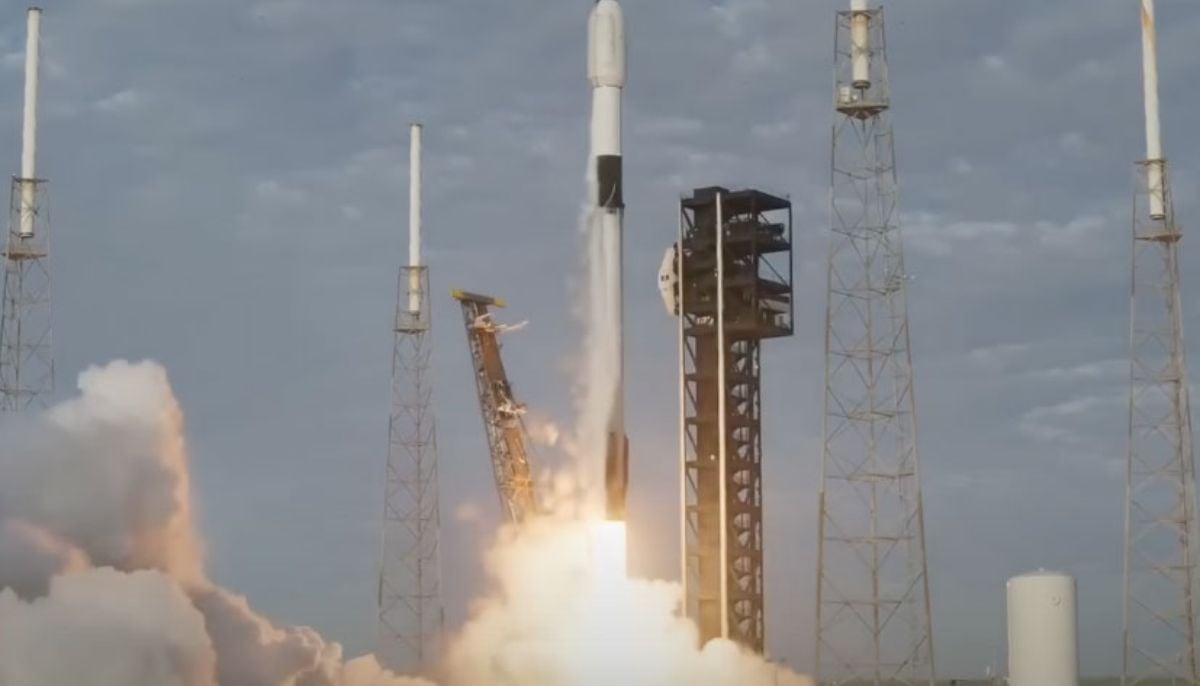 SpaceX launches another batch of satellites from Cape Canaveral during late-night mission on Saturday
 -
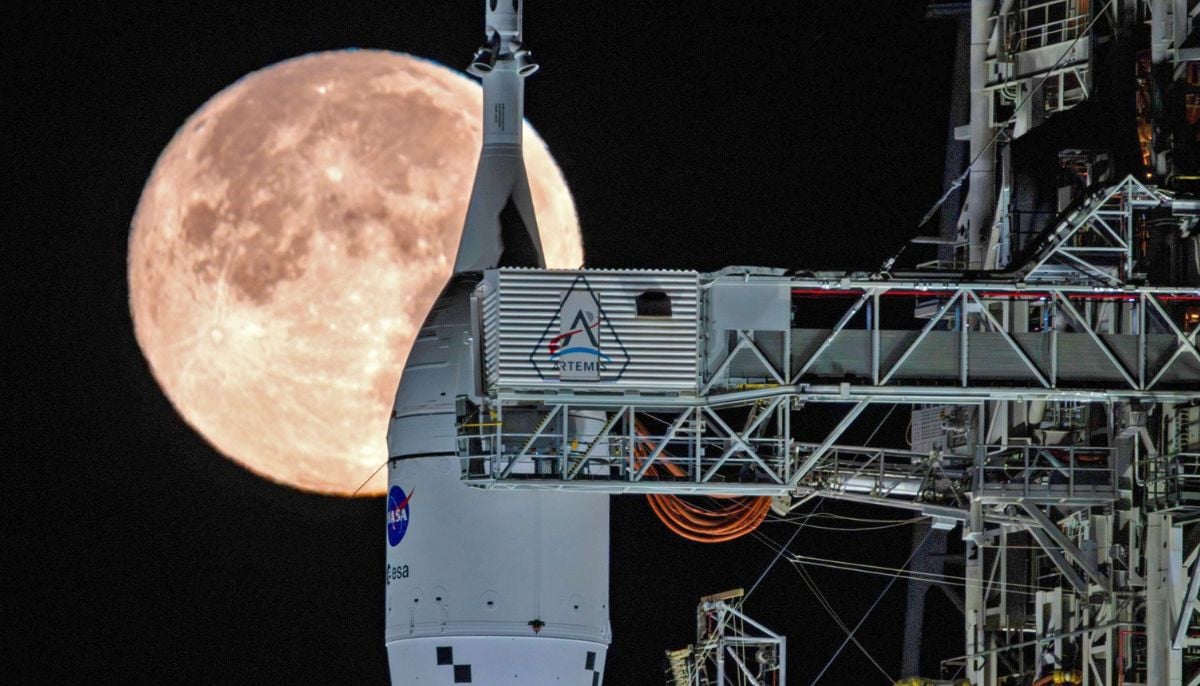 NASA targets March 6 for launch of crewed mission around moon following successful rocket fueling test
 -
 Greenland ice sheet acts like ‘churning molten rock,’ scientists find
 -
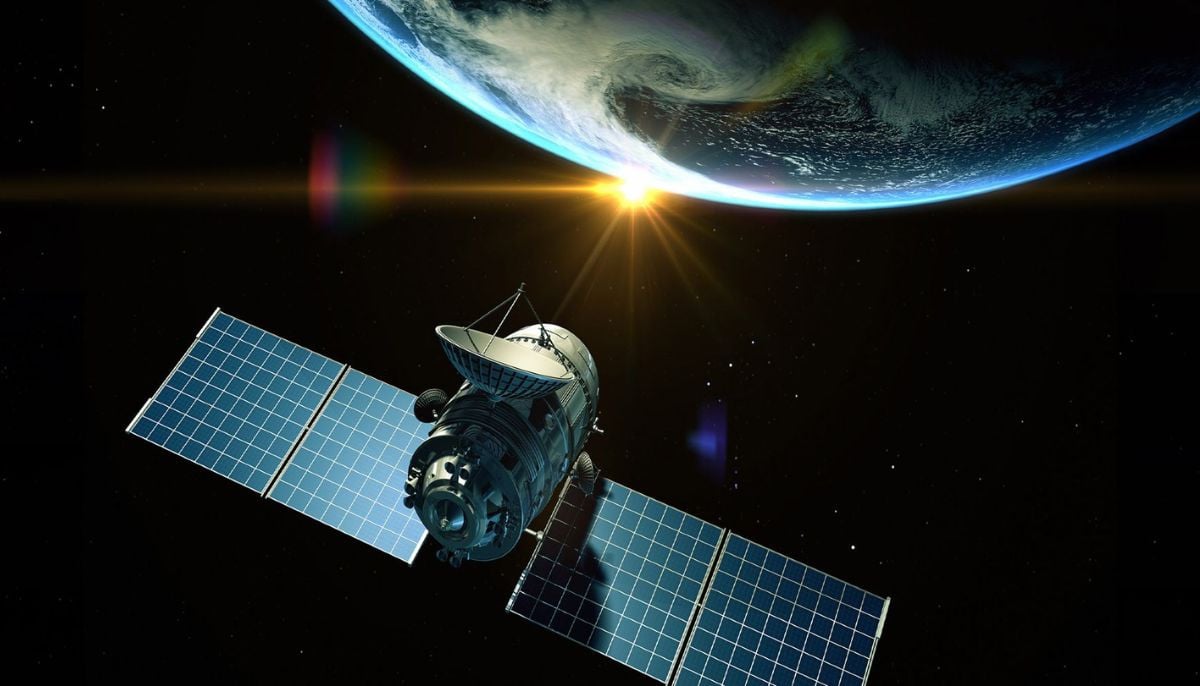 Space-based solar power could push the world beyond net zero: Here’s how
 -
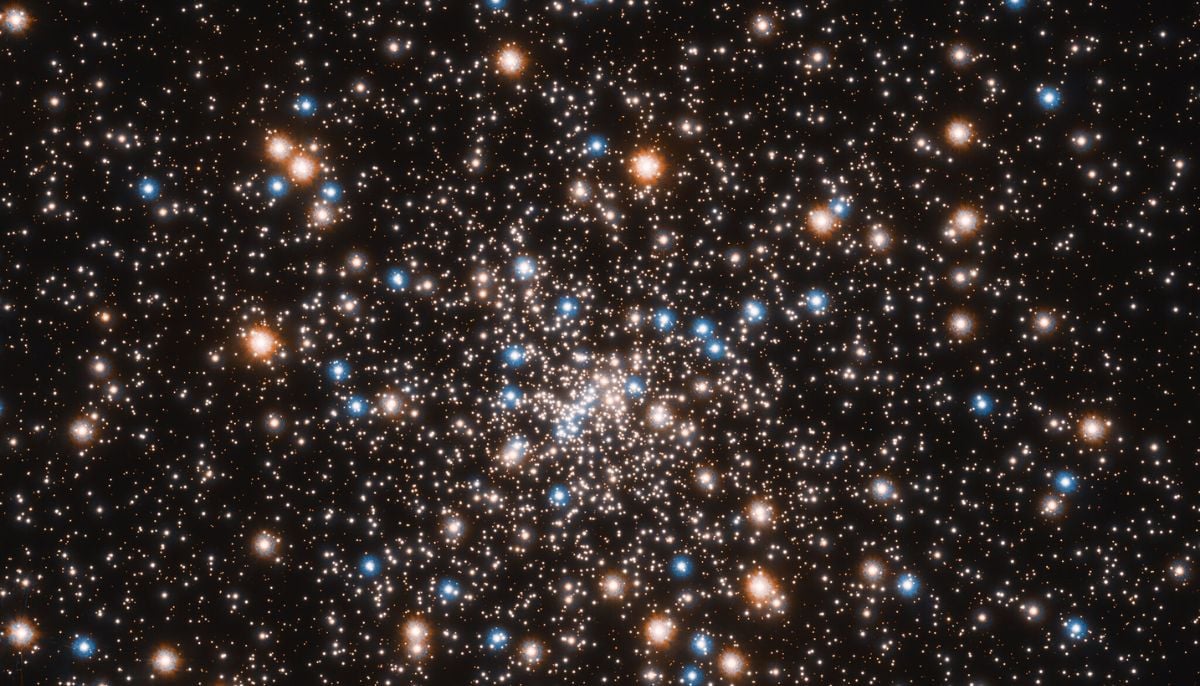 Hidden ‘dark galaxy' traced by ancient star clusters could rewrite the cosmic galaxy count
 -
 Astronauts face life threatening risk on Boeing Starliner, NASA says