
Canada Conservatives campaign on cutting foreign aid
Conservatives, if elected, would slash Canadian foreign aid by 25 percent, or Can$1.5 billion (US$1.1 billion)
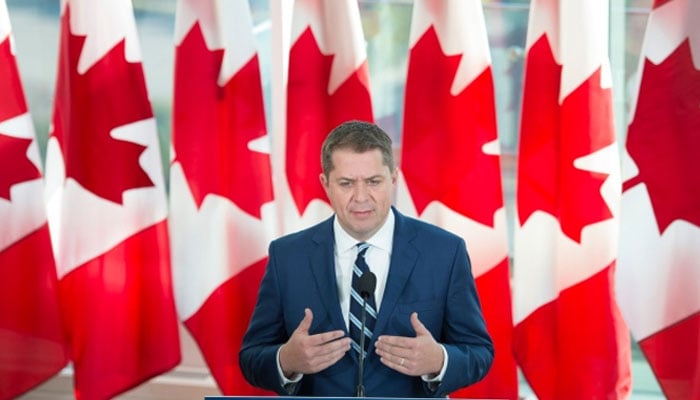
Conservatives, if elected, would slash Canadian foreign aid by 25 percent, or Can$1.5 billion (US$1.1 billion), while shifting Can$700 million to poorer countries most in need, leader Andrew Scheer announced Tuesday.
Scheer is in a tight race against Prime Minister Justin Trudeau and his Liberals, ahead of October 21 national elections.
In a televised news conference, he accused the incumbent prime minister of "squandering" aid monies by sending Can$2.2 billion to "corrupt and middle and upper-income countries."
"A new Conservative government will review Canada's overall foreign aid fund with a target of reducing the overall envelope by approximately 25 percent," he said, adding that savings would be reallocated domestically.
Scheer said he would also redirect Can$700 million in aid to "countries with grave humanitarian or refugee challenges such as Sub-Saharan Africa, which will receive even more aid than they do now."
Scheer listed as undeserving of Canadian aid "repressive regimes that are adversarial, if not outright hostile to Canadian interests and values" such as Iran, North Korea and Russia, and "middle and upper income countries" with a Human Development Index over 0.6 including Argentina, Barbados, Brazil, China, Italy, Mexico and Turkey.
The composite index measures life expectancy, education and per capita income.
The Tory leader also blasted Trudeau for providing Can$110 million in funding to the UN Relief and Works Agency helping Palestinians, which in a statement he called an "openly antisemitic" and "corrupt organization with direct ties to the radical terrorist group Hamas."
According to a government report, Canada spent Can$6.1 billion in foreign aid from April 2017 to March 2018.
Afghanistan received the bulk of Canada's international assistance last year for health, education and anti-corruption measures, followed by Ethiopia, Tanzania, Mali and Nigeria.
Significant support was also provided for climate change adaptation, as well as for Middle East security and development, and resettling refugees displaced by conflicts in Syria and Yemen.


-
 Ukraine-Russia talks heat up as Zelenskyy warns of US pressure before elections
 -
 France opens probe against former minister Lang after Epstein file dump
 -
 Leonardo DiCaprio's girlfriend Vittoria Ceretti given 'greatest honor of her life'
 -
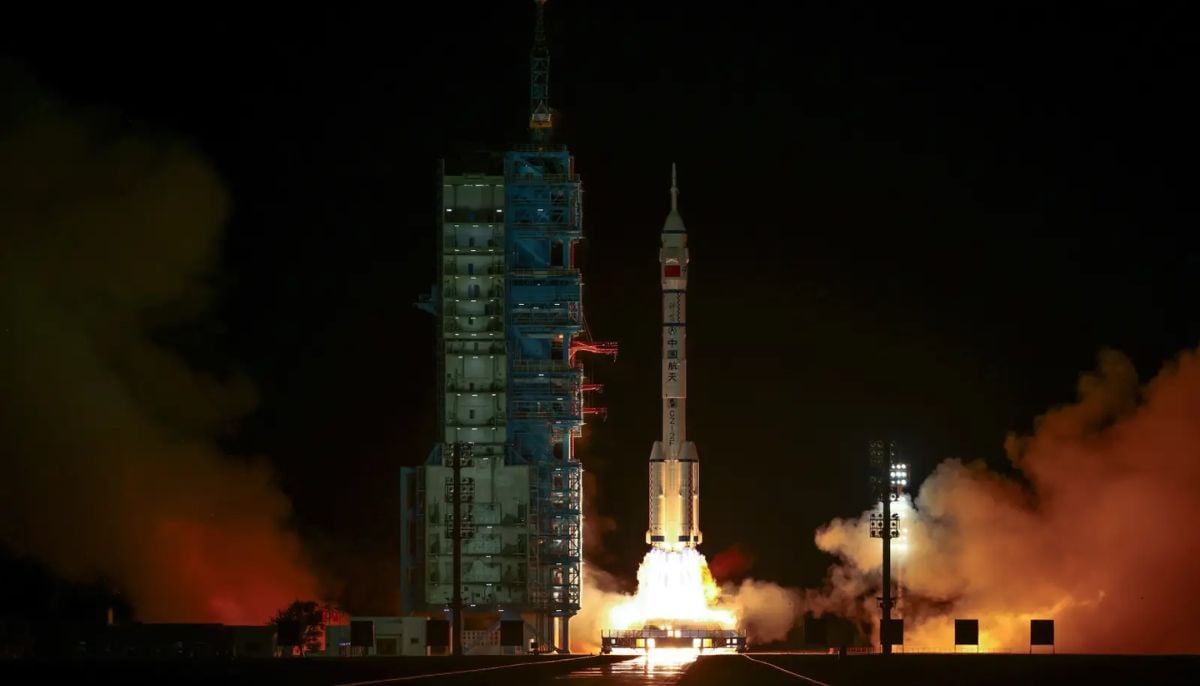 China boosts reusable spacecraft capabilities by launching for the fourth time
 -
 China unveils ‘Star Wars’-like missile warship for space combat
 -
 Trump refuses apology for video depicting Obama as apes amid growing backlash
 -
 US appeals court affirms Trump’s immigration detention policy
 -
 Epstein probe: Bill, Hillary Clinton call for public testimony hearing