
Sony is bringing back the Walkman for its 40th anniversary
As announced on Friday at leading yearly consumer electronics trade show IFA 2019, held in Berlin, Sony will be reviving the 1979-released Walkman for its 40th anniversary edition.
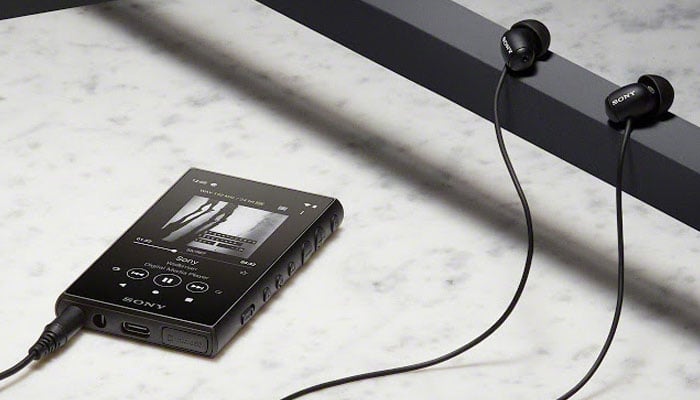
The world is in for a blast from the past as Sony is getting set to bring back its Walkman with its new and improved version.
As announced on Friday at leading yearly consumer electronics trade show IFA 2019, held in Berlin, Sony will be reviving the 1979-released portable music player for its 40th anniversary edition.
As per reports the Sony NW-A100TPS will come with a design revamp containing a case and package that marks as a tribute to the original TPS-L2 Walkman while also staying true to the original shape in some way by adding a unique cassette tape interface.
It was further revealed by the company that the new version will also be easy on the pockets, with no branding for the 40th anniversary.
The new Sony Walkman will be powered by Android and will come with features including an S-Master HX digital amplifier for high-resolution delivery of audio and minimal distortion along with a DSEE HX processor to bring up compressed audio.
On the other hand, it will also include a vinyl processor that adds a vinyl touch to digital tracks.
Moreover, the music player also boasts of a 26-hour battery life coming with a USB-C port for connections.
The release date of the Sony Walkman and the price, however, have yet to be announced.




-
 Scientists reveal how sleeping can unlock your creative potential
 -
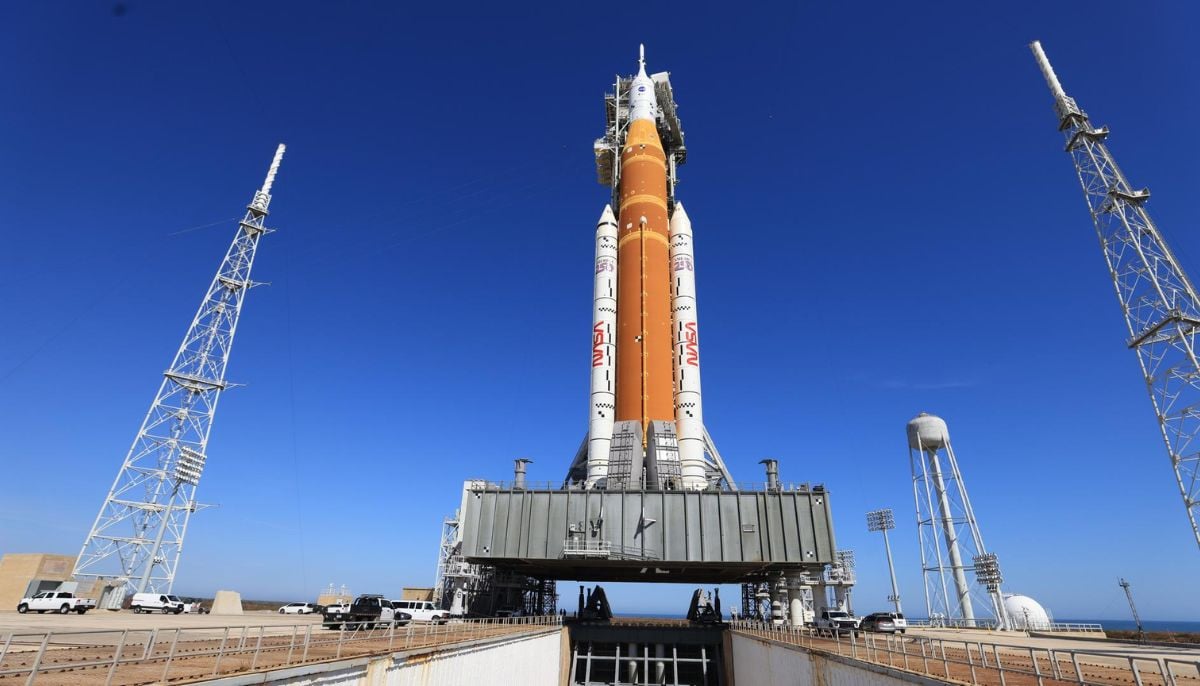 NASA Artemis 2 moon mission faces unexpected delay ahead of March launch
 -
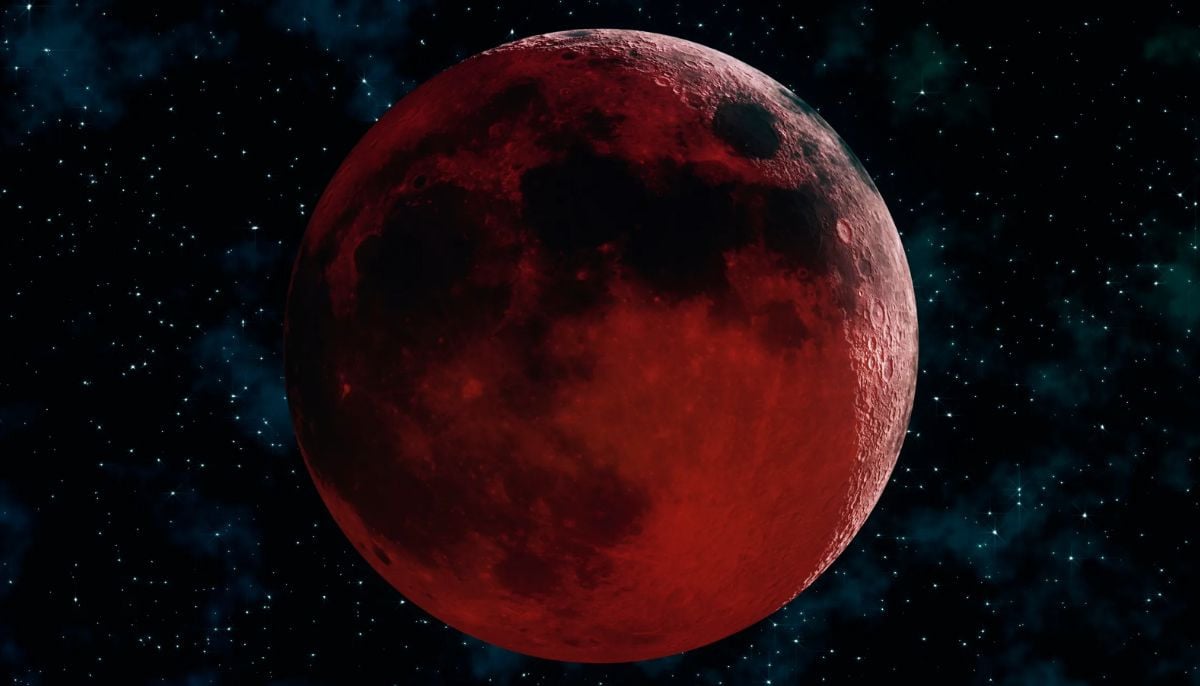 Total Lunar eclipse: What you need to know and where to watch
 -
 Sun appears spotless for first time in four years, scientists report
 -
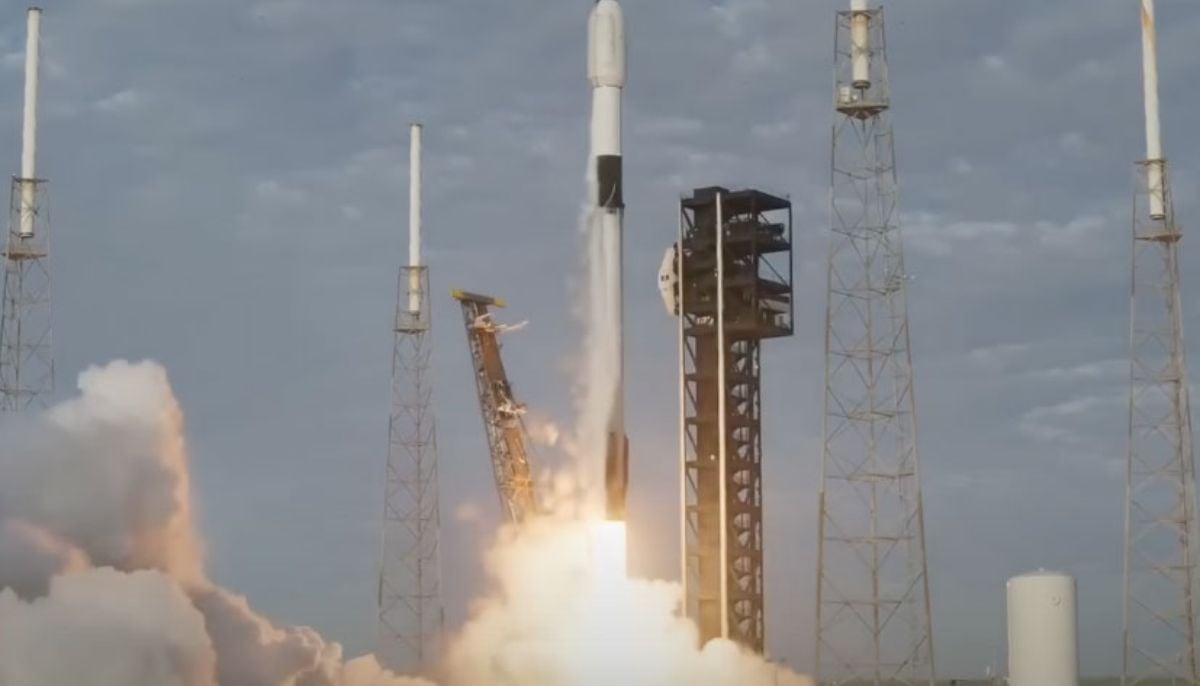 SpaceX launches another batch of satellites from Cape Canaveral during late-night mission on Saturday
 -
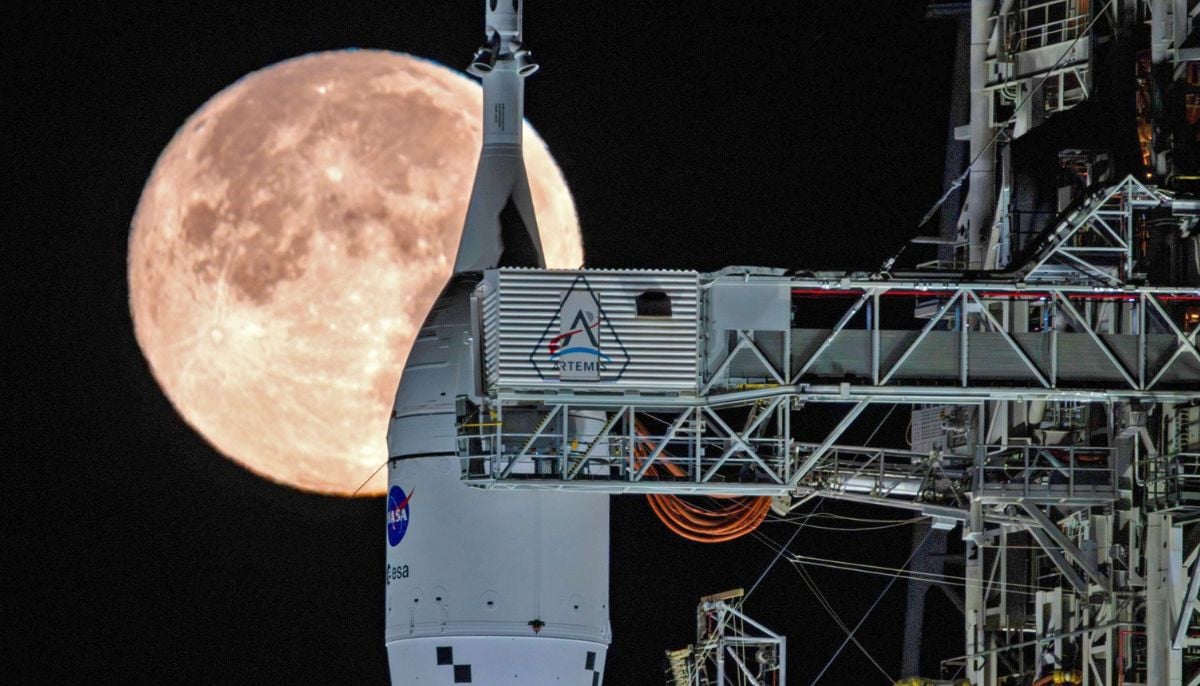 NASA targets March 6 for launch of crewed mission around moon following successful rocket fueling test
 -
 Greenland ice sheet acts like ‘churning molten rock,’ scientists find
 -
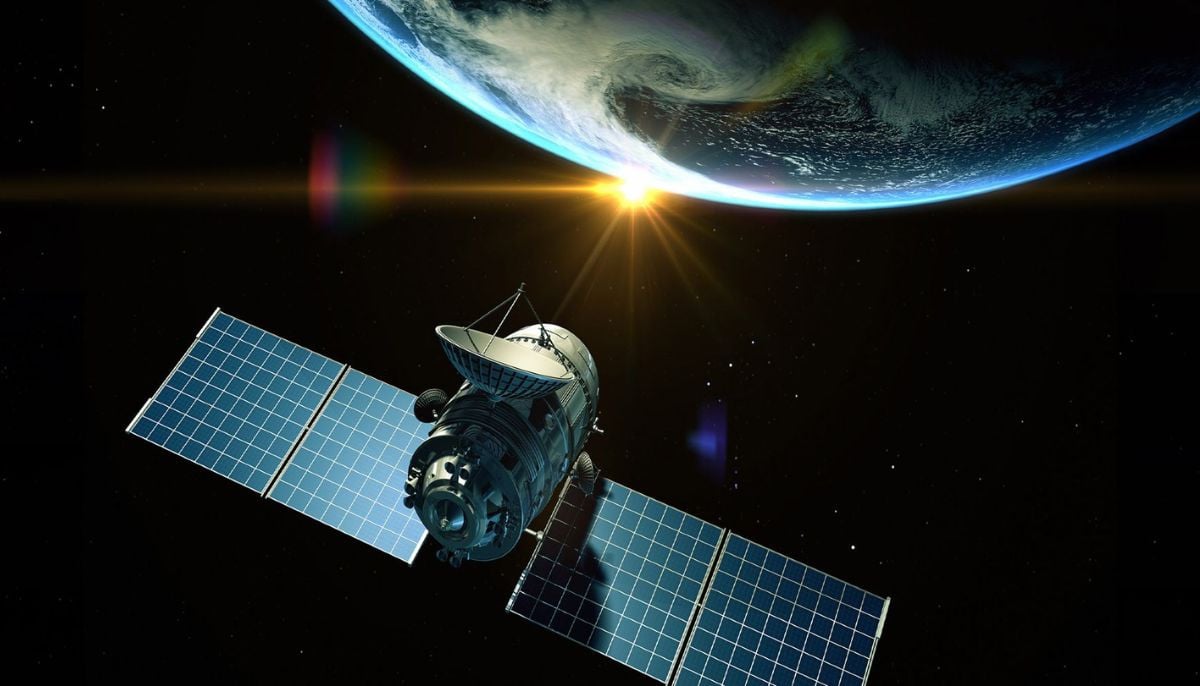 Space-based solar power could push the world beyond net zero: Here’s how