
WhatsApp has positive impact on psychological well-being: report
According to a study published in The International Journal of Human-Computer Studies, social media especially WhatsApp is good for our psychological health.

In a turn of events, social messaging application WhatsApp and other medium have been declared ‘good’ for our psychological well-being as per a recent research.
According to a study published in The International Journal of Human-Computer Studies, social media especially WhatsApp is good for our psychological health.
Dr. Linda Kaye, a senior lecturer in Psychology found that the text-based messaging app, which offers users group chat feature, has a positive impact on mental comfort.
The research was conducted on a total of 200 users, 158 female and 41 men with an average age of 24, found that the average reported daily use of WhatsApp was around 55 minutes, with people using it because of its popularity and group chat feature.
As per the results the more the time people spend on WhatsApp per day, the less lonely they felt and thereby had higher self-esteem as a result of feeling closer to friends and family.
Dr. Kayle stated, "The more time people spent on WhatsApp, the more they feel close to their friends and family and perceived these relationships to be of good quality. The more closely bonded these friendships were the more people felt affiliated with their WhatsApp groups, which was related to positive self-esteem and social competence."
This study rejects the notion that social media leaves a negative impact on the users.




-
 Total Lunar eclipse: What you need to know and where to watch
 -
 Sun appears spotless for first time in four years, scientists report
 -
 SpaceX launches another batch of satellites from Cape Canaveral during late-night mission on Saturday
 -
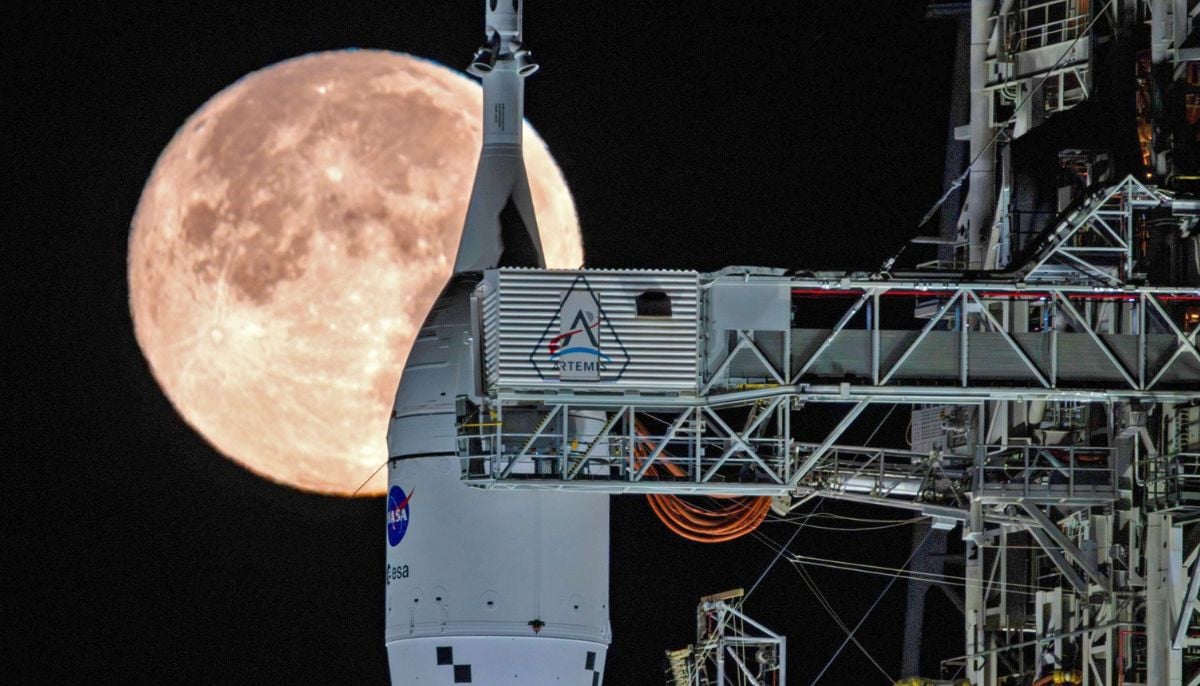 NASA targets March 6 for launch of crewed mission around moon following successful rocket fueling test
 -
 Greenland ice sheet acts like ‘churning molten rock,’ scientists find
 -
 Space-based solar power could push the world beyond net zero: Here’s how
 -
 Hidden ‘dark galaxy' traced by ancient star clusters could rewrite the cosmic galaxy count
 -
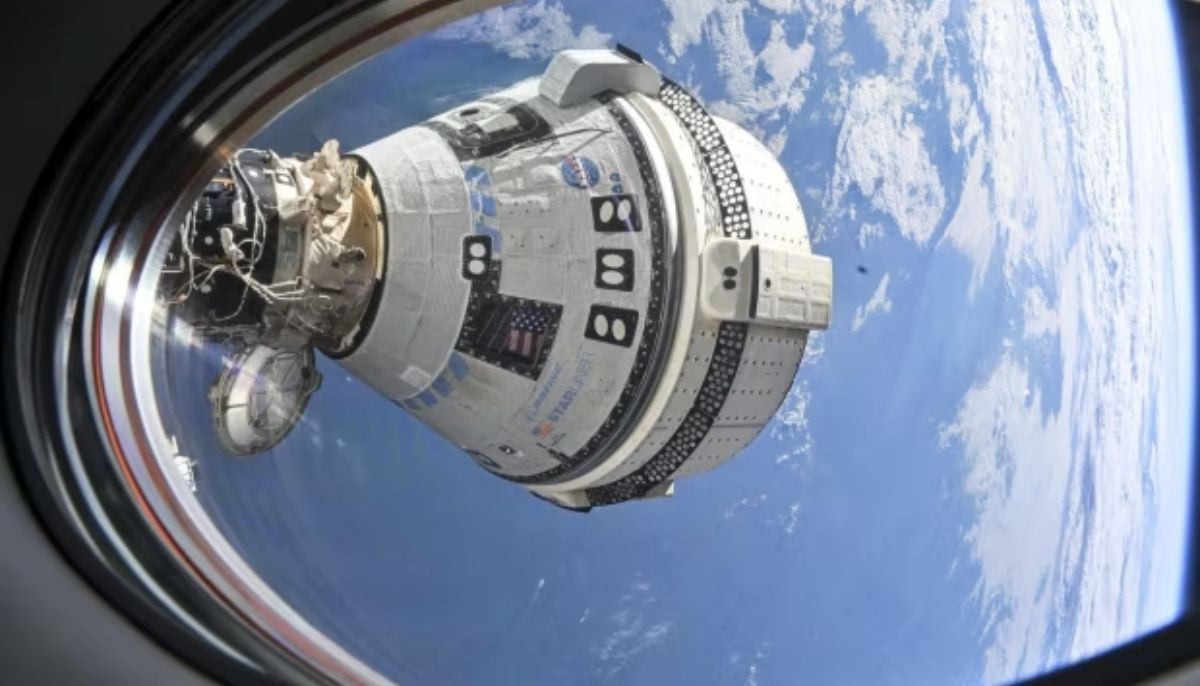 Astronauts face life threatening risk on Boeing Starliner, NASA says