
KARACHI: A 17-year-old high school student in Pakistan replicated a physics visualization, and developed results that surprised some older scientists, he exalted the name of country in the world by making such an achievement in the field of physics.
As per details, revealed by international media, he replicated the phenomenon and presented his work as any professional scientist would. But he also developed photographic evidence of charged ions creating the honeycomb, and published his work Wednesday in the journal Royal Society Open Science.
According to New York Time’s report, an electric honeycomb behaves like a capacitor. In this case, the top electrode is a needle that delivers high voltage to the air just a few centimeters above a thin layer of oil on the other flat, grounded surface electrode.
An article in this connection published in New York Time on October 4 that explained the physicists knew of this phenomenon decades before Muhammad Shaheer Niazi, a 17-year-old high school student from Pakistan met the electric honeycomb. In 2016, as one of the first Pakistani participants in the International Young Physicsts’ Tournament.
The report said that the thermal images puzzled Dr Pérez Izquierdo. Neither he nor others had previously explored temperature changes on the oil’s surface, and he would have expected a smaller and more even heating effect than Niazi observed. Determining the heat’s origin is an interesting question that requires more study, he said, while also praising Mr Niazi’s experimental skill.
“I think it’s outstanding for so young a scientist to reproduce these results,” Dr. Pérez Izquierdo said.
Niazi hopes to further explore the mathematics of the electric honeycomb, and in the future, dreams of earning a Nobel Prize in nature — and in the electric honeycomb — Mr. Niazi points out, “nothing wants to do excess work,” but he’s getting started early anyway.



-
 Sun appears spotless for first time in four years, scientists report
 -
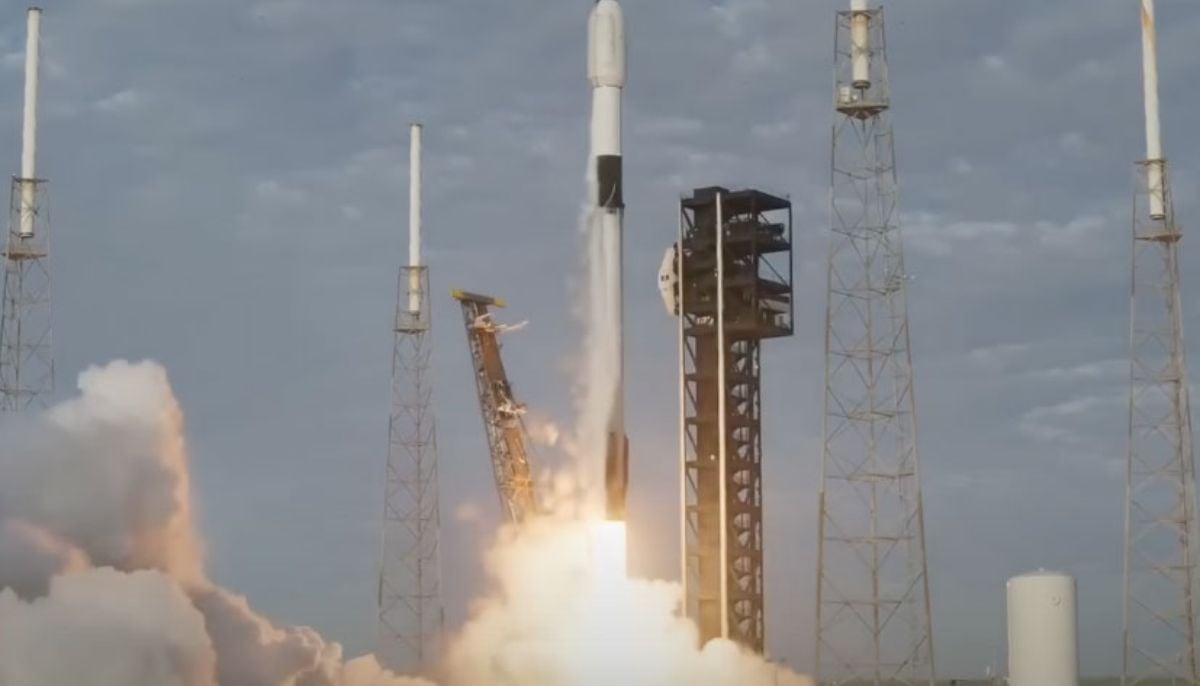 SpaceX launches another batch of satellites from Cape Canaveral during late-night mission on Saturday
 -
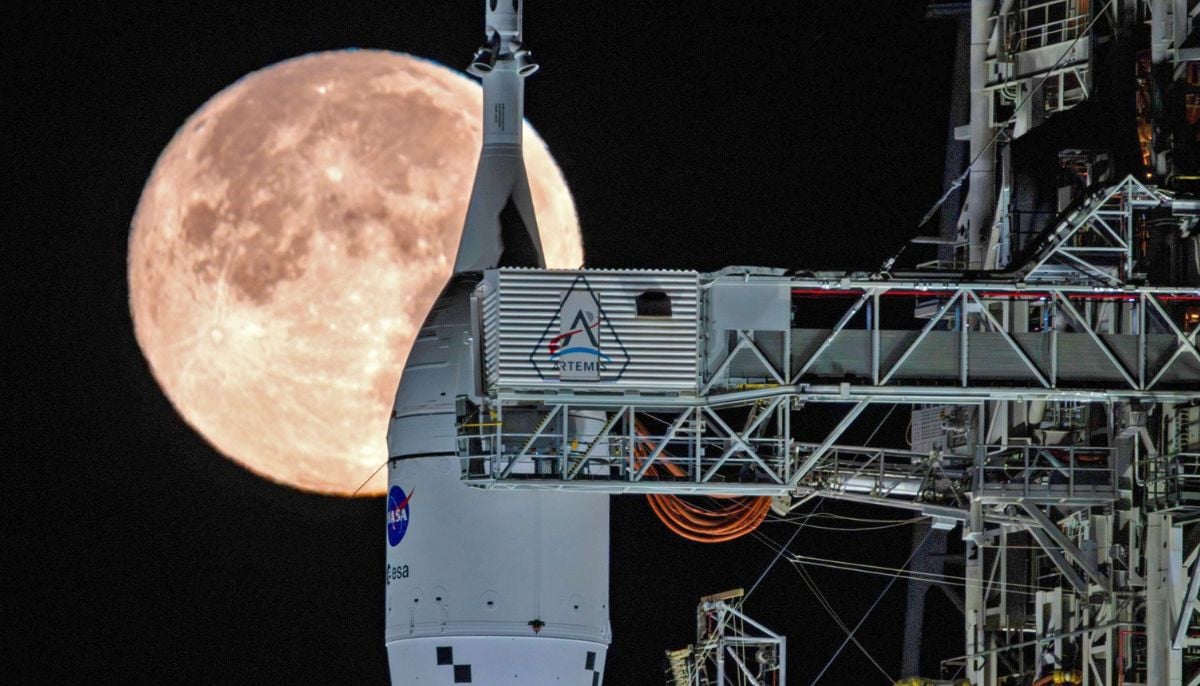 NASA targets March 6 for launch of crewed mission around moon following successful rocket fueling test
 -
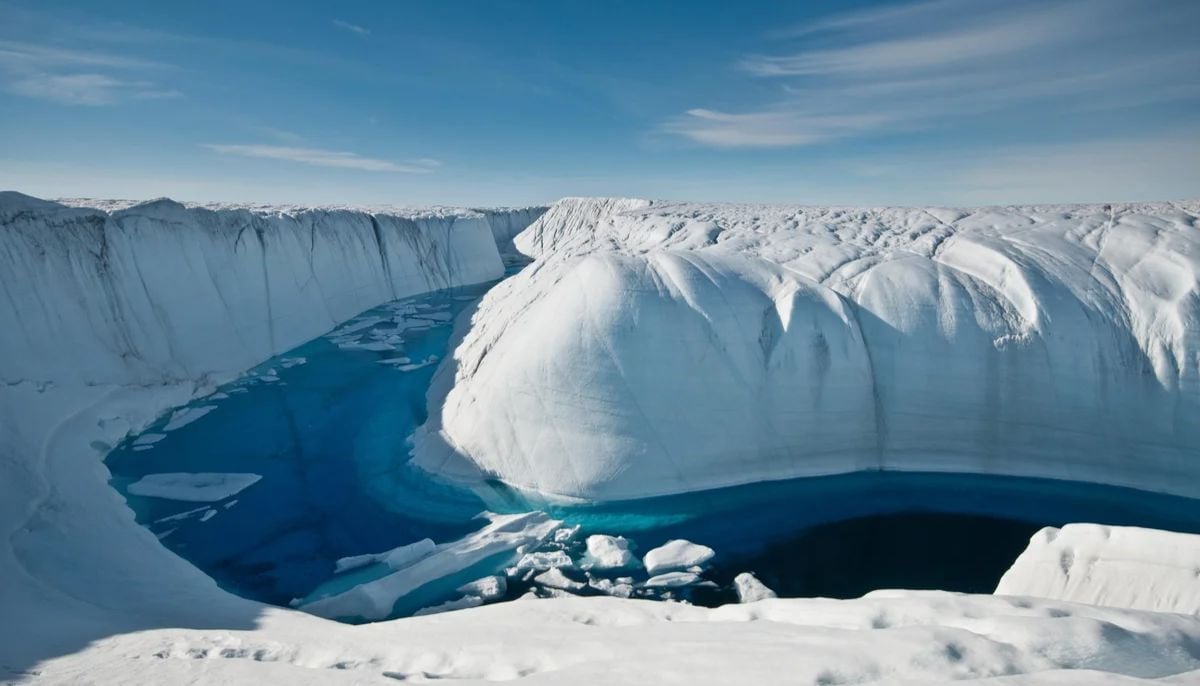 Greenland ice sheet acts like ‘churning molten rock,’ scientists find
 -
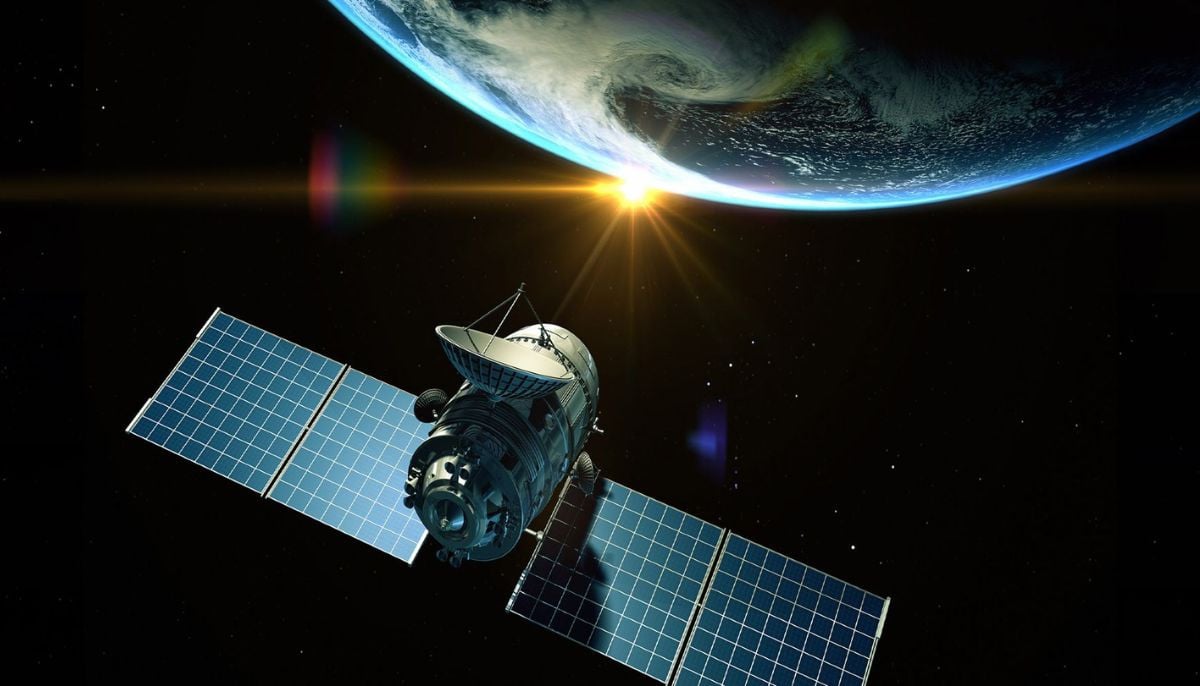 Space-based solar power could push the world beyond net zero: Here’s how
 -
 Hidden ‘dark galaxy' traced by ancient star clusters could rewrite the cosmic galaxy count
 -
 Astronauts face life threatening risk on Boeing Starliner, NASA says
 -
 Giant tortoise reintroduced to island after almost 200 years