
LONDON: Iran will strengthen its missile capabilities and not seek any country´s permission, President Hassan Rouhani said on Friday rejecting demands from US President Donald Trump.
Rouhani spoke at a military parade where an Iranian news agency said one of the weapons on display was a new ballistic missile with range of 2,000 km (1,200 miles), capable of carrying several warheads.
The Tasnim news agency, which quoted the head of the Revolutionary Guards´ aerospace division, Amirali Hajizadeh, gave few other details of the missile.
Iranian state television showed footage of the firing of "Khoramshahr missile" but did not specify if the test-fire happened on Friday or in the past.
At the UN General Assembly on Tuesday, Trump said Iran was building its missile capability and accused it exporting violence to Yemen, Syria and other parts of the Middle East.
He also criticised the 2015 pact that the United States and six other powers struck with Iran under which Tehran agreed to restrict its nuclear programme in return for relief from economic sanctions.
In a speech broadcast on state television, Rouhani said: "We will increase our military power as a deterrent. We will strengthen our missile capabilities . . . We will not seek permission from anyone to defend our country".
"All countries in the world supported the nuclear deal in the United Nations General Assembly this year . . . except the United States and the Zionist regime (Israel)," Rouhani said.
US Secretary of State Rex Tillerson has said that the agreement must be changed or the United States could not stick with it. Iran has said its nuclear accord cannot be renegotiated. The prospect of Washington reneging on the deal has worried some of the US allies that helped negotiate it, especially as the world grapples with North Korea’s nuclear and ballistic missile development.
Chinese Foreign Minister Wang Yi said tensions on the Korean peninsula underlined the importance of the Iranian deal, and that China would continue to support it.
Trump put Iran "on notice" in February for test-firing a ballistic missile and imposed new economic sanctions in July over its missile programme and "malign activities" in the Middle East. Russian Foreign Minister Sergei Lavrov said on Thursday that the US imposition of unilateral sanctions on Iran was "illegitimate and undermines the collective nature of international efforts."




-
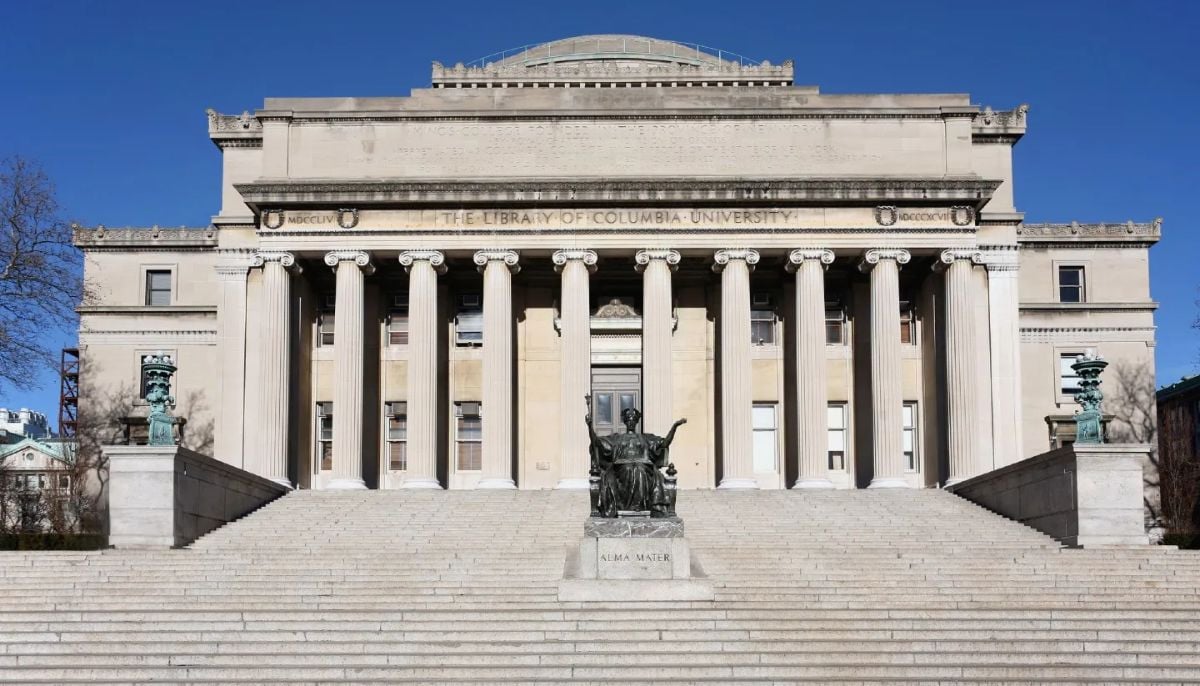 Nobel-winning scientist resigns from Columbia university after Epstein links revealed
 -
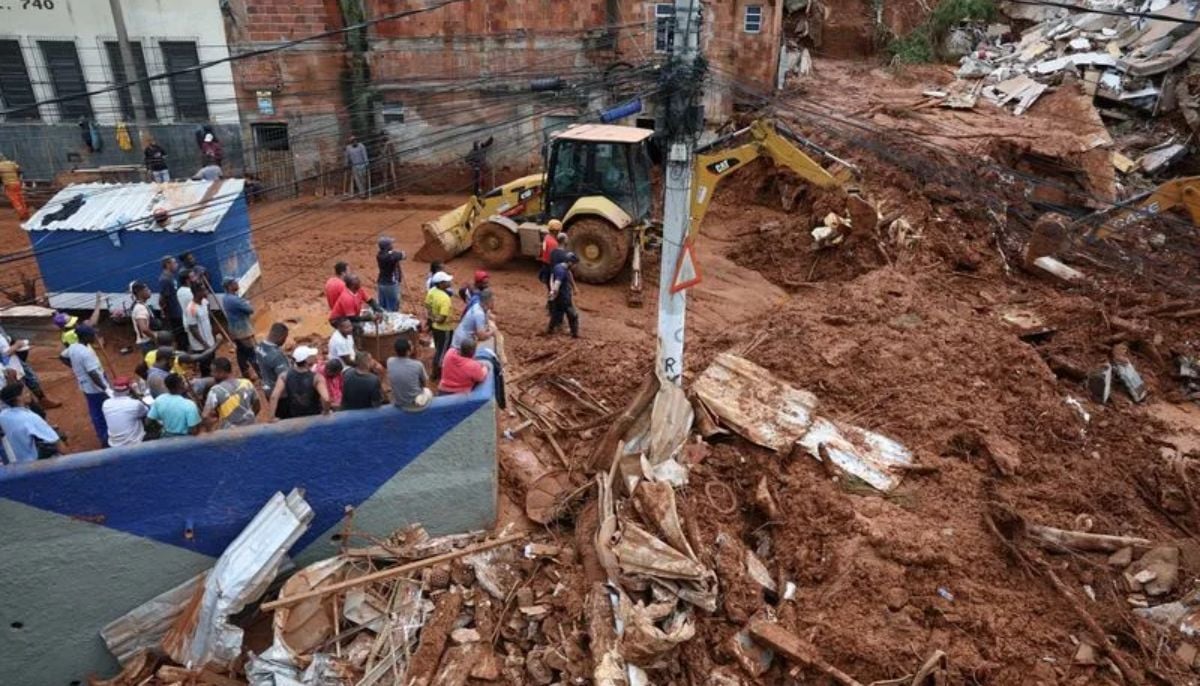 At least 30 dead after heavy rains hit southeastern Brazil, 39 missing
 -
 Japan plans missile deployment near Taiwan by 2031 amid growing regional tensions
 -
 Trump delivers longest State of Union address in history: Inside key details on economy, security and global strategy
 -
 Trump’s 2026 State of Union address: Inside key takeaways, major policy shifts & top announcements
 -
 Rep. Al Green removed from House chamber during Trump’s State of Union address: Here’s what happened
 -
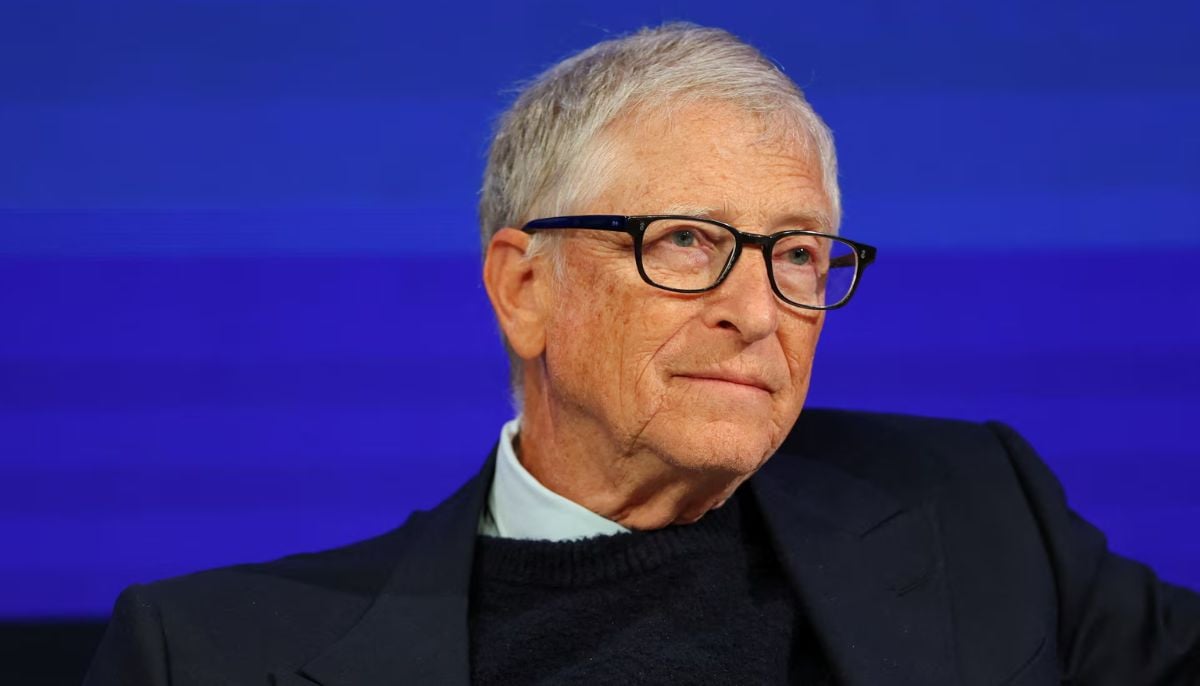 Bill Gates breaks silence on Epstein links, ‘took responsibility for his actions’ during town hall meeting
 -
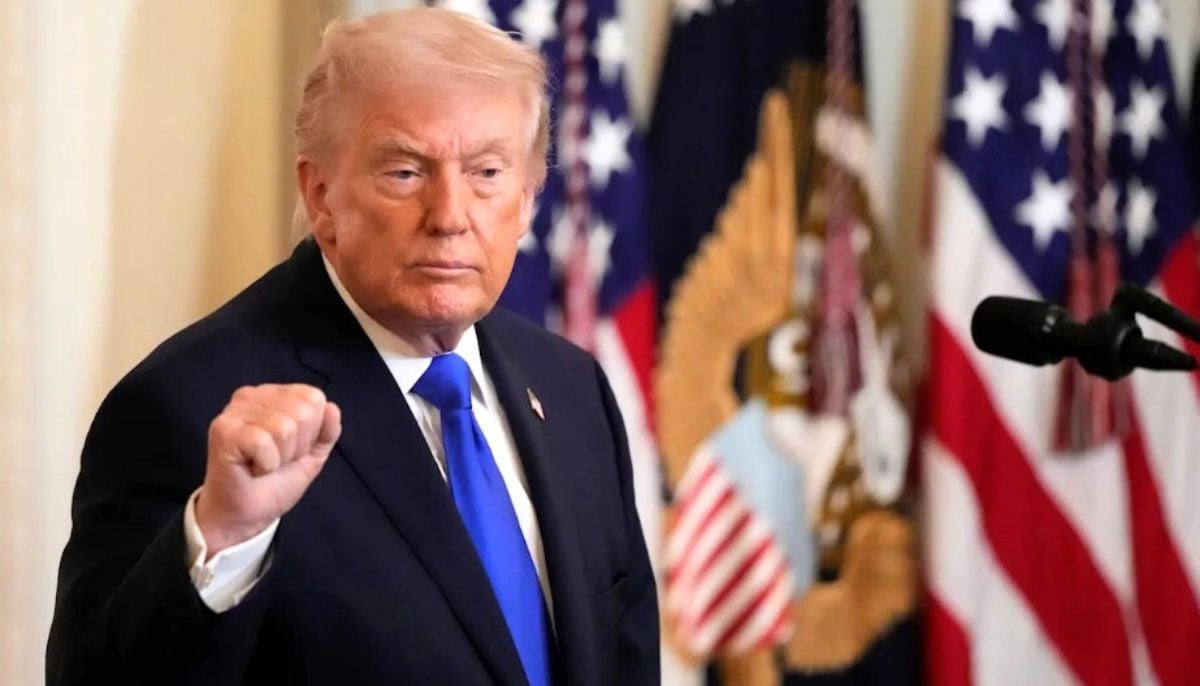 President Donald Trump delivers the traditional State of the Union address to Congress