
Some 14 million in northeast Nigeria may need humanitarian aid in 2017-U.N
ABUJA: Around 14 million people will need humanitarian help in the former northeast Nigerian stronghold region of Boko Haram militants and tens of thousands of children will be at risk of dying from famine, a U.N. official said on Tuesday.
The Islamist militant group has killed 15,000 people and displaced more than 2 million from their homes during a seven-year insurgency in Africa's most populous nation and biggest energy producer.
Nigerian military forces backed by those from neighbouring states have pushed Boko Haram back to the northeast's vast Sambisa forest in the last few months, enabling aid workers to access areas previously controlled by the jihadists. That has revealed thousands of people living in famine-like conditions.
"Next year 26 million people will be affected by the ongoing crisis and 14 million of these will need international and national humanitarian assistance," Peter Lundberg, U.N. humanitarian coordinator for Nigeria, told a news conference.
He added that there were 75,000 children who, "if we don't do something rapidly and seriously... are going to die in the few months ahead of us".
UNICEF, the U.N. children's agency, said in September that 75,000 children could die in northeast Nigeria over the next year if they did not receive aid. A total of 400,000 children aged under five could suffer severe malnutrition in the three states worst hit by the insurgency, it said.





-
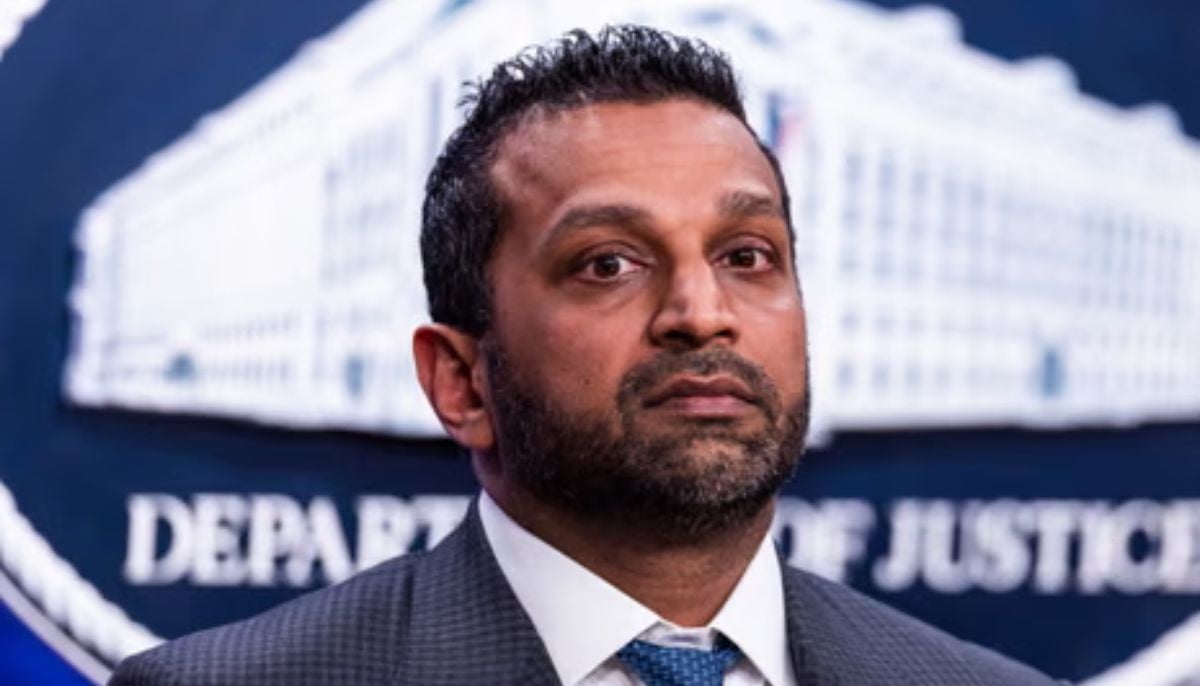 Kash Patel fires FBI officials behind Trump Mar-a-Lago documents probe, reports say
 -
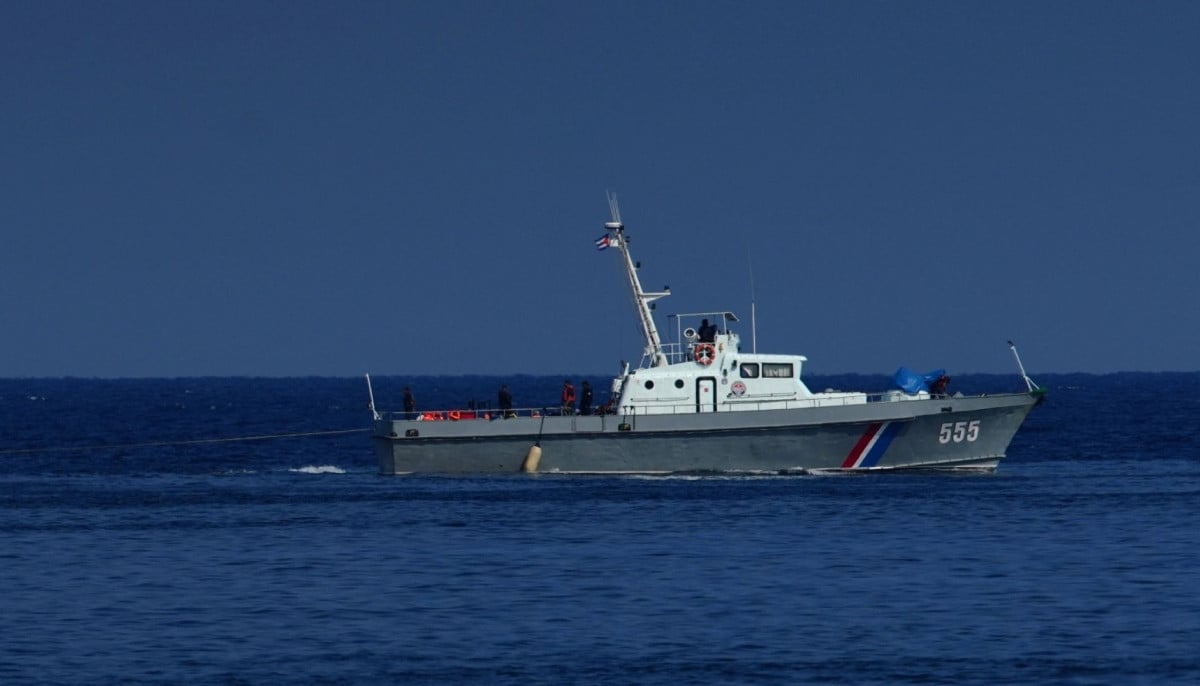 Cuban government says boat full of armed men fired on border guards, killing 4
 -
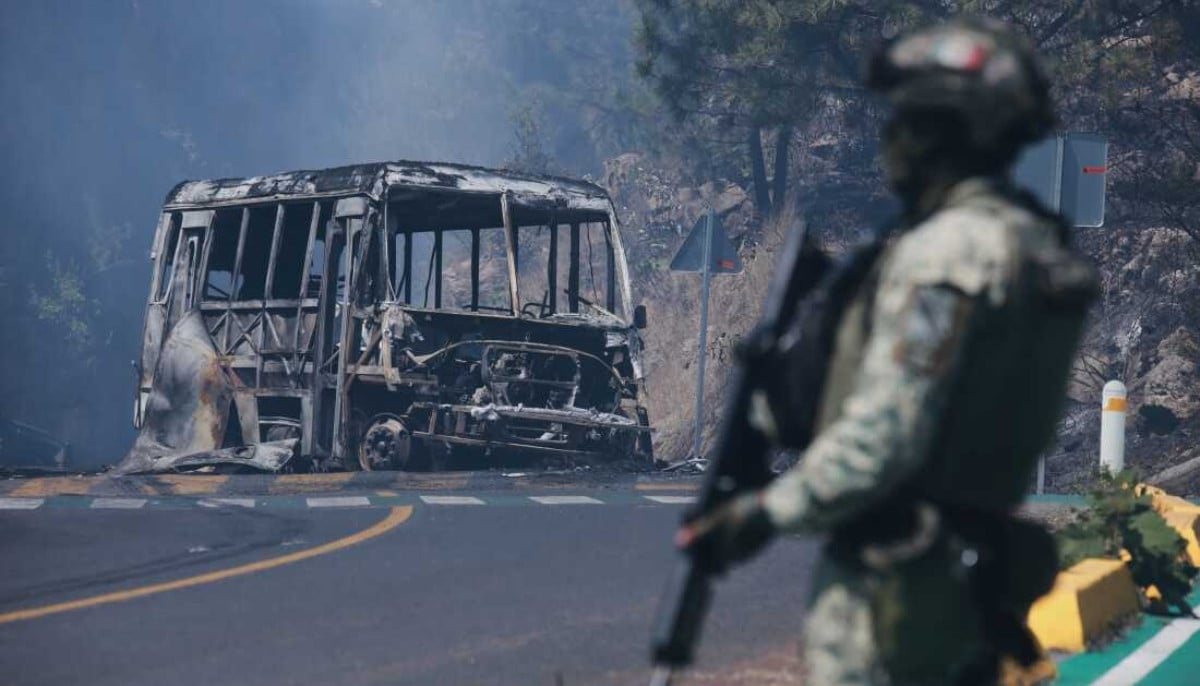 FIFA World Cup security concerns spike after recent cartel violence in Mexico
 -
 Passenger wins £10,000 payout from Heathrow Airport after 100 ml liquids dispute
 -
 Chinese astronauts finally reveal why spacecraft left them ‘stranded’ for 437 days in space
 -
 Sinitta makes shock admission about marriage to Andy Willner post Simon Cowell heartbreak
 -
 Bill Gates calls ties to Jeffrey Epstein 'huge mistake,' reveals past 'affairs'
 -
 Switzerland announces one-time compensation for Swiss bar fire victims