Japan enacts new election law mandating AI labels on social media
New rules require AI-generated images and videos shared during election campaigns to be clearly labeled on social media
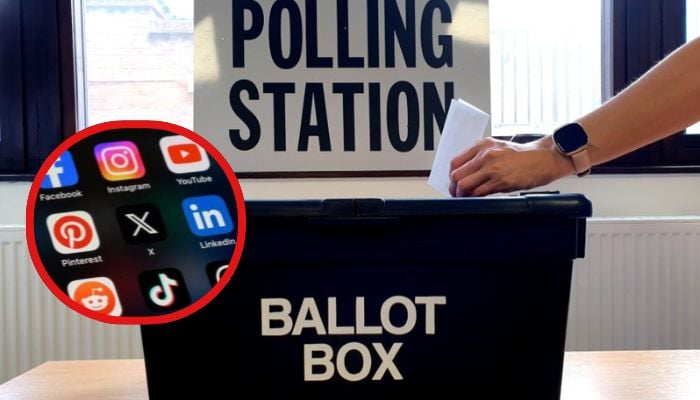
Japan has introduced new rules requiring AI-generated images and videos shared on social media during election campaigns to be clearly labeled.
To protect the nations's democratic integrity, Japan's parliament in a major move enacted a landmark law to clamp down on disinformation and regulate social media use during election.
Japan's internal affairs minister said on Tuesday AI-generated images and videos will have to be marked as such under new rules on the use of social media during elections in Japan.
The cross-party legislation comes in response to rising concerns over AI-generated smear campaigns and false information distorting recent political races.
The move is aimed at improving transparency and reducing the risk of misleading or deceptive content influencing voters, as generative AI tools become more widely used.
The new rules, approved by parliament on Monday also forbid internet users and platforms from spreading fake or distorted information about candidates and will take effect in March.
Unlike under laws on social networks passed by the European Union, Japanese authorities will not be able to impose penalties for non-compliance, prompting local media to question their effectiveness.
Japanese government officials have said, in drafting the new rules, they needed to strike a balance between free speech and the sanctity of democratic elections.
The Nikkei business daily said that this may be because Tokyo wants to avoid the friction seen between Washington and Brussels over fines imposed under the bloc’s Digital Services Act.
The decision came amid growing global concerns over the use of generative AI in elections.
Japan's decision reflects a broader international effort to regulate the use of artificial intelligence in politics while preserving freedom of expression.
By requiring clear labels rather than banning AI-generated content outright, the government aims to strike a balance between encouraging technological innovation and protecting the integrity of elections.
The government aims to fully implement these changes by March 1, 2027, just ahead of the unified spring local elections.
Governments authorities worldwide are increasingly worried that AI-generated deepfakes and manipulated content could spread misinformation, damage public trust and interfere with democratic processes.


-
 Germany’s Nuremberg airport briefly shut down after mid-air communication malfunction
 -
 El Niño fuels Indonesia wildfires, destroying nearly 300 homes in Sumatra
 -
 Poilievre heads to Michigan to demand end to US tariffs on Canadian vehicles
 -
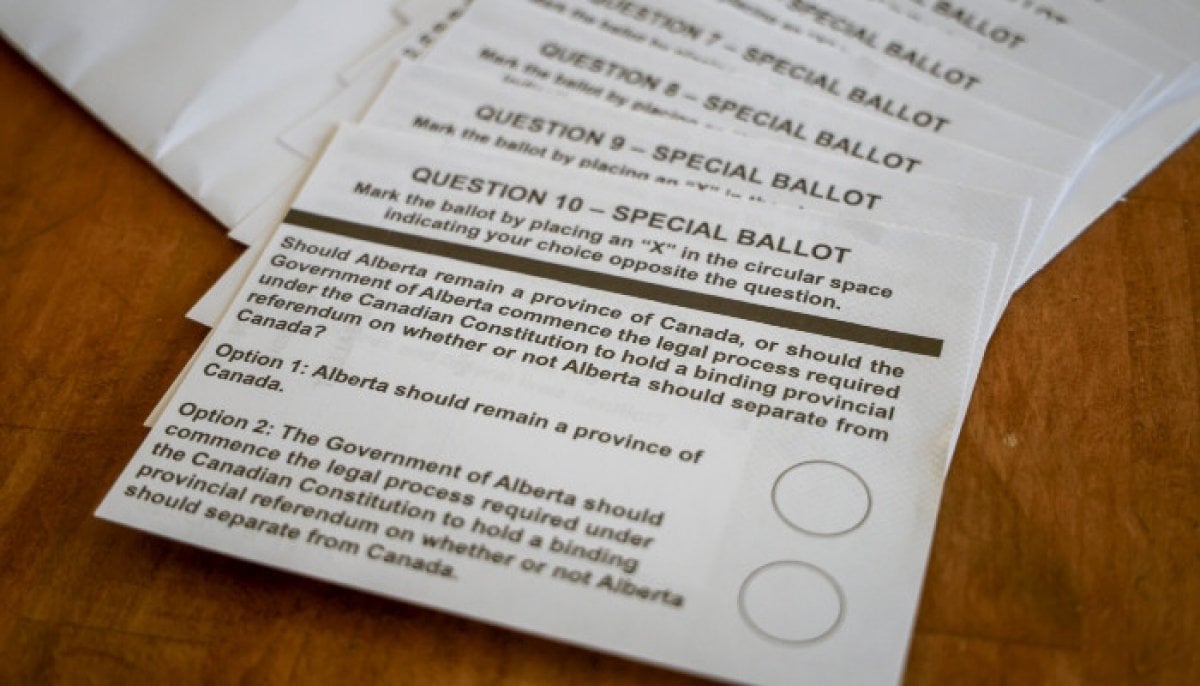 Will Alberta leave Canada? Advance voting opens in historic separation referendum
 -
 False hijack alert sends German fighter jets scrambling
 -
 Nigel Farage defends ‘lethal force’ policy for English Channel migrants amid backlash
 -
 Supreme Court agrees to hear DOGE transparency lawsuit involving Elon Musk, Trump
 -
 Greta Thunberg joins French students as nationwide protests enter third week
-
 Kimberly Guilfoyle asked to resign as US ambassador to Greece, White House says
 -
Ursula von der Leyen calls for stricter migration measures ahead of EU leaders' summit
-
Six Flags loses $170mn in market value after after man dies in roller coaster tragedy
-
Russia-Ukraine conflict near an end? US, Europe draft four-point peace settlement: Report