China’s AI power crisis: Green energy goals hit major hurdles
Rising electricity demand, grid constraints, and uneven renewable energy availability could complicate efforts to power China's rapidly expanding AI sector with clean energy
China’s ambitious drive to integrate green energy into its rapidly expanding AI data center sector is encountering major operational and structural hurdles as of mid-2026.
Industry experts warn that forecasting peak demand remains difficult and grid operators are wary of taking on added risk.
Ensuring reliable electricity for AI-focused data centres has become a strategic priority, underscored in China's 2026 government work report released earlier this year, which pledged stronger integration between computing infrastructure and power supply networks.
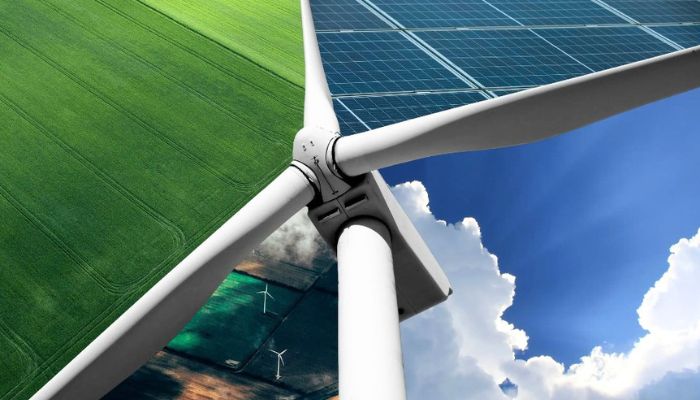
A key part of that effort is an ambitious plan to channel more green electricity directly into the rapidly growing data centre industry. Authorities aim for renewables to supply four-fifths of the sector's total power consumption by 2030, a sharp rise from just 11% in 2023.
Power demand from China's data centres is projected to rise by 300 billion to 500 billion kilowatt-hours between 2026 and 2030, accounting for 18% of total electricity demand growth over the period, according to Pei Shanpeng, a director of Chinese power firm State Power Investment Corp.
The bottom range of the estimate is roughly equivalent to the UK's entire annual power consumption.
However, despite booming demand from China's data centres, the sector is a poor fit for green power providers compared with traditional energy-intensive industries such as aluminium smelting, largely because its peak demand is harder to predict, they say.
"At least for now, they do not appear to be very flexible (in managing power demand)," Pei said at an industry conference in Beijing last week.
"From what we understand, they (data centres) cannot really adjust power consumption load much. GPUs are very expensive, so once they are purchased, operators want to use them as quickly and as intensively as possible."
He said the push to expand green power use by data centres is aimed more at cutting emissions than lowering electricity costs.
China's push to build direct grid networks for AI workloads comes as its fast-tracked data centre rollout has already started straining the power sector in certain areas, increasing both average and peak grid loads and forcing operators to balance rising demand with reliability risks, experts said.
Experts also said wider adoption of direct green-power links to data centres could face resistance from grid operators, who worry such networks would see electricity sales decline and make it harder to recover hefty investments in transmission and distribution infrastructure if demand slows or falls.


-
 Abdul El-Sayed heckler linked to Republican strategist that was paid $250K to oppose him
 -
 Flights to Europe could get more expensive in 2027 as fuel costs surge, Ryanair warns
 -
 CNN threatens to sue Trump administration again over Air Force One press ban
 -
 Attack on Australian MP Helen Haines highlights escalating threats to public figures
 -
 Ilhan Omar's sister questioned by investigators amid US citizenship fraud probe
 -
 Zelenskyy calls Rubio talks constructive after Trump eases Russia sanctions for 60 days
 -
 Milan on high alert as Italy deploys 500 troops following days of riots and looting
 -
 Ex-Toronto Blue Jays player Richard Butler and wife accused of defrauding baseball families