AI music tools surge as industry faces shift in creation
New studies show AI music is flooding streaming platforms and affecting artist income
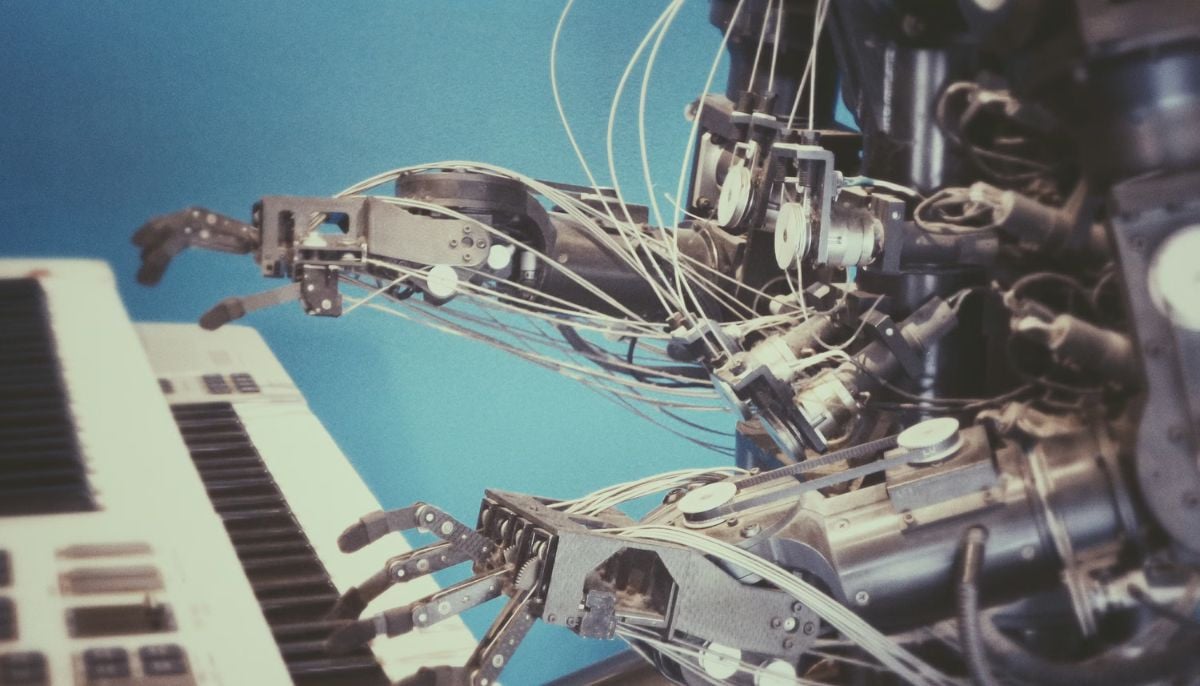
AI music generation is rapidly transforming the music industry as new tools can now produce full songs, threatening to overtake the traditional role of composers and artists. Google introduced Lyria 3 Pro, which enables users to build structured tracks that include intros and verses and choruses and bridges, to demonstrate how artificial intelligence development has progressed beyond creating short experimental music clips to achieving complete musical production automation.
Similarly, companies like Meta and OpenAI also developed similar AI tools, signalling that the industry is entering a rapid phase of automation where creativity can be generated by machines.
Can AI replace musicians?
The surge in AI music has begun to transform both the process of music distribution and the experience of music listening. Streaming platforms have begun implementing tools to identify AI-generated music.
Spotify and Deezer are launching detection systems which will monitor AI tracks as they become common in mainstream music channels. A global Deezer–Ipsos survey found listeners were unable to tell AI music apart from human-made material in 97% of tests, showing the growing quality of synthetic music.
The current data demonstrates problems that will create financial difficulties for content creators. A survey by PRS for Music reports nearly 80% of musicians fear AI-generated music could affect their income and compete with human work.
According to Forbes, experts predict that AI will reshape licensing, royalties and industry power dynamics by 2026, making fair compensation harder unless systems adapt.
AI systems have begun to test both legal frameworks and economic structures. In a recent US case a man used AI to create thousands of fake songs which he used to generate fraudulent streams that resulted in millions of royalties while he redirected payment away from actual artists.
Some academic research suggests AI still lacks the depth of human creativity, but it clearly lowers barriers to music production and distribution. The development of cheaper and more advanced AI systems has resulted in their ability to execute duties that composers, arrangers and producers previously managed. T


-
 TikTok, YouTube deactivates 4.7m under-16 accounts in Indonesia
 -
 Why Italy is joining the US-led Pax Silica AI initiative despite tensions with Trump
 -
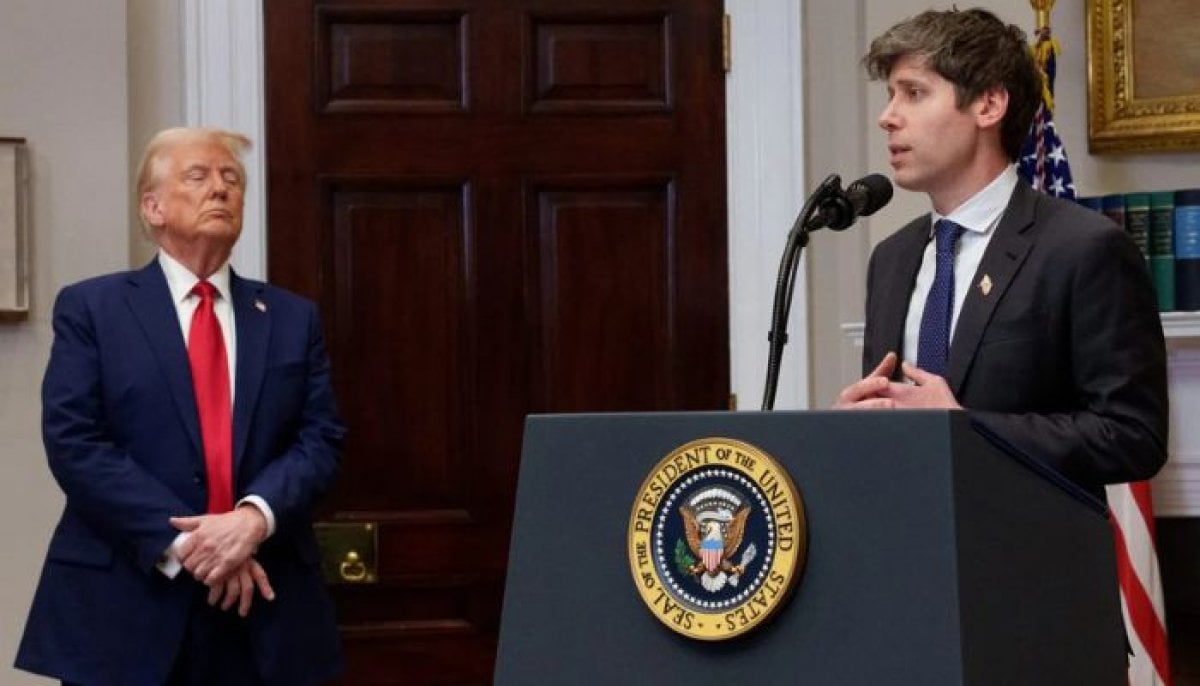 White House restricts OpenAI's GPT 5.6 model release plans
 -
 Australia's teen social media ban fails, 85% still online
 -
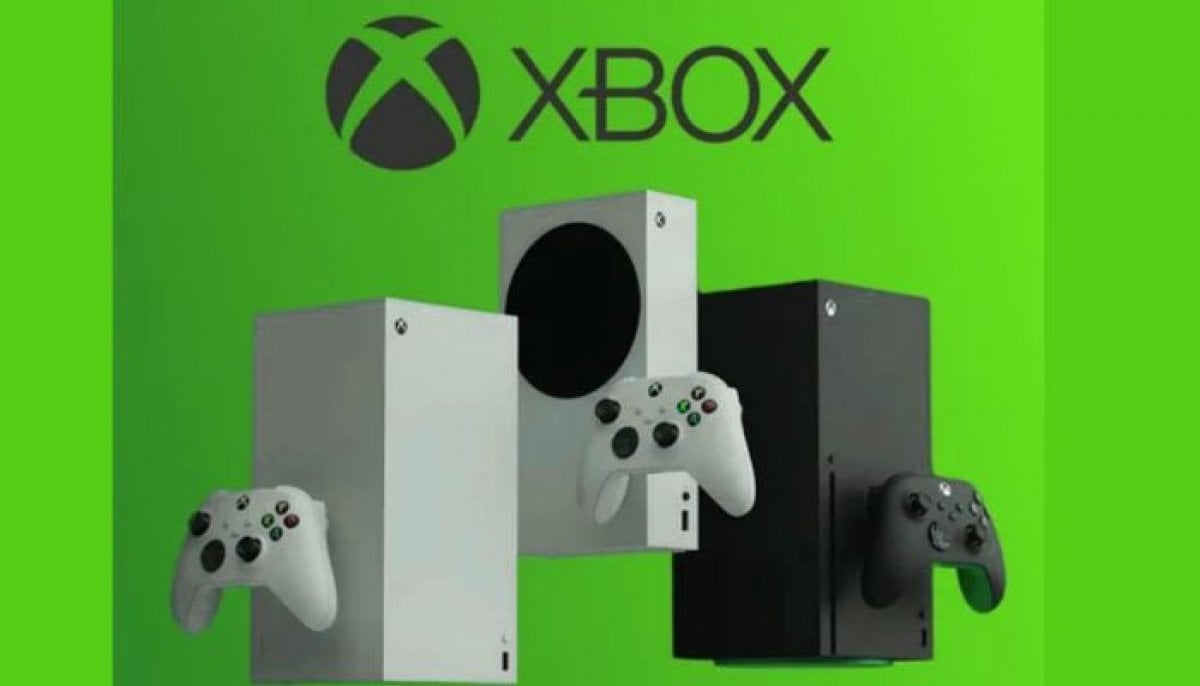 Microsoft’s Xbox to raise prices globally from August 2026
 -
 Elon Musk reveals 'Starmind', SpaceX's planned AI satellite megaconstellation
 -
 Apple raises Mac, iPad prices as memory costs surge
 -
 IBM unveils world's first nanometer chip in AI computing push