
Trump willing to meet Iran's leaders, teases potential nuclear deal
On military action, Trump says he’d “go in willingly” and “lead the pack” if no deal is reached with Iran
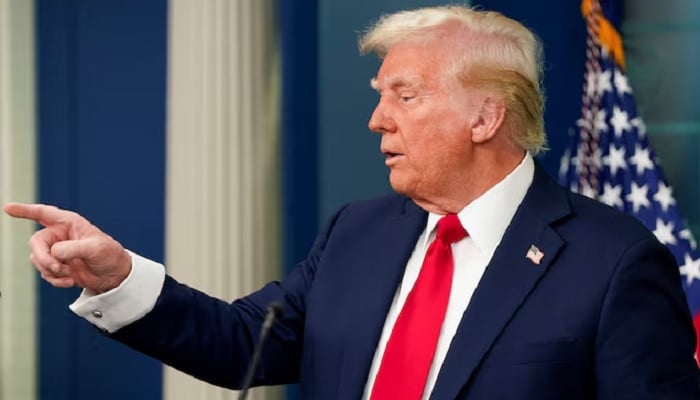
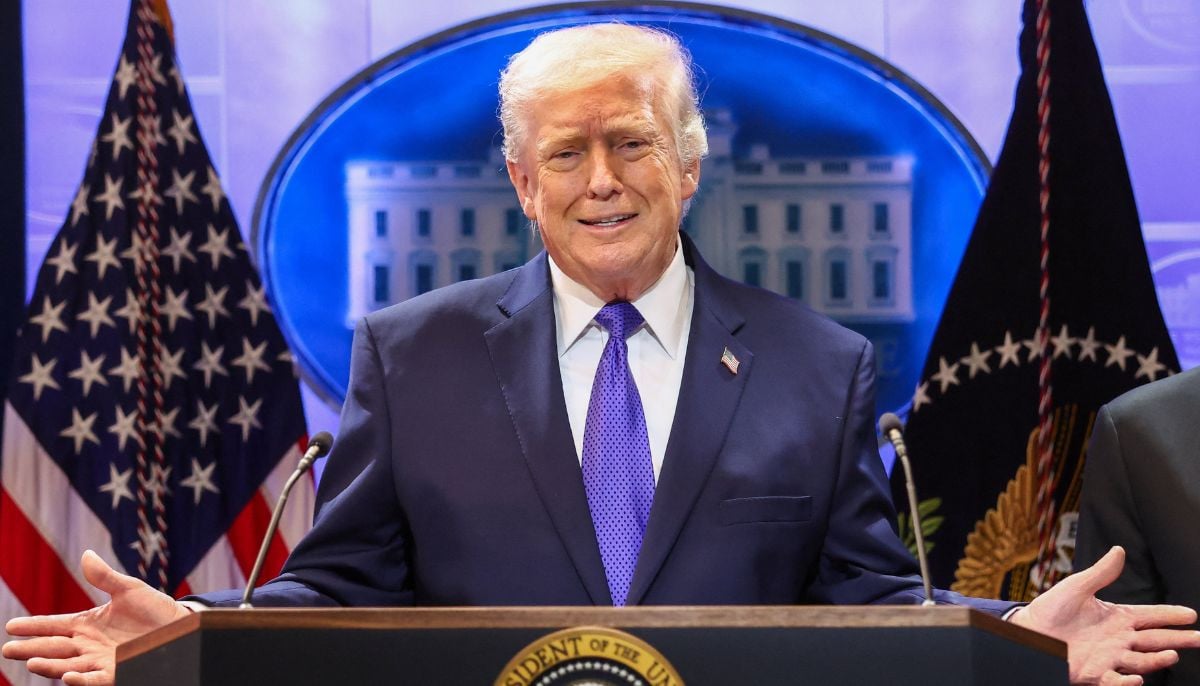
US President Donald Trump this week said he is open to meeting Iran's supreme leader or president and that he thinks the two countries will strike a new deal on Tehran's disputed nuclear programme.
However, Trump, who in 2018 pulled the US out of a now moribund nuclear deal between Tehran and world powers, repeated a threat of military action against Iran unless a new pact is swiftly reached to prevent it from developing nuclear weapons.
Trump, in an April 22 interview with Time magazine published on Friday, said, "I think we're going to make a deal with Iran" following indirect US-Iranian talks last week in which the sides agreed to draw up a framework for a potential deal.
The Republican US president, speaking separately to reporters at the White House on Friday, reiterated his positive prognosis, saying: "Iran, I think, is going very well. We'll see what happens."
A US official said the discussions yielded "very good progress."
Asked by Time whether he was open to meeting Iranian Supreme Leader Ali Khamenei, who has the last say on all major state policies, or President Masoud Pezeshkian, Trump replied: "Sure."
Expert-level talks are set to resume on Saturday in Oman, which has acted as an intermediary between the longtime adversaries, with a third round of high-level nuclear discussions planned for the same day.
Israel, a close US ally and Iran's major Middle East foe, has described Tehran's escalating uranium enrichment programme — a potential pathway to nuclear bombs — as an "existential threat".
Israeli Prime Minister Benjamin Netanyahu has called for a complete dismantling of Iran’s nuclear capabilities, saying partial measures will not suffice to ensure Israel's security.
Asked in the interview if he was concerned Netanyahu might drag the United States into a war with Iran, Trump said: "No."
'I'll be leading the pack'
However, when asked if the US would join a war against Iran should Israel take action, he responded: "I may go in very willingly if we can't get a deal. If we don't make a deal, I'll be leading the pack."
In March, Iran responded to a letter from Trump in which he urged it to negotiate a new deal by stating it would not engage in direct talks under maximum pressure and military threats but was open to indirect negotiations, as in the past.
Although the current talks have been indirect and mediated by Oman, US and Iranian officials did speak face-to-face briefly following the first round on April 12.
The last known face-to-face negotiations between the two countries took place under former US president Barack Obama during diplomacy that led to the 2015 nuclear accord.
Western powers accuse Iran of harbouring a clandestine agenda to develop nuclear weapons capability by enriching uranium to a high level of fissile purity, above what they say is justifiable for a civilian atomic energy programme.
Tehran says its nuclear programme is wholly peaceful. The 2015 deal curbed its uranium enrichment activity in exchange for relief from international sanctions, but Iran resumed and accelerated enrichment after the Trump walkout in 2018.


-
 Kash Patel fires FBI officials behind Trump Mar-a-Lago documents probe, reports say
 -
 Cuban government says boat full of armed men fired on border guards, killing 4
 -
 FIFA World Cup security concerns spike after recent cartel violence in Mexico
 -
 Passenger wins £10,000 payout from Heathrow Airport after 100 ml liquids dispute
 -
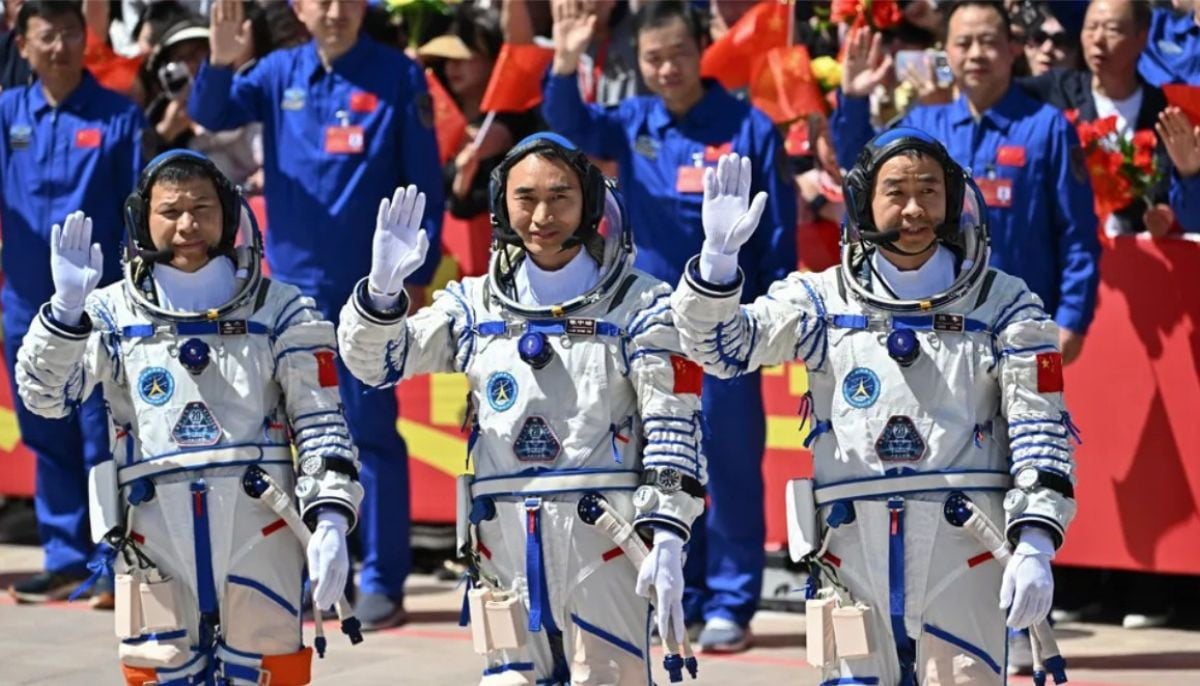 Chinese astronauts finally reveal why spacecraft left them ‘stranded’ for 437 days in space
 -
 Sinitta makes shock admission about marriage to Andy Willner post Simon Cowell heartbreak
 -
 Bill Gates calls ties to Jeffrey Epstein 'huge mistake,' reveals past 'affairs'
 -
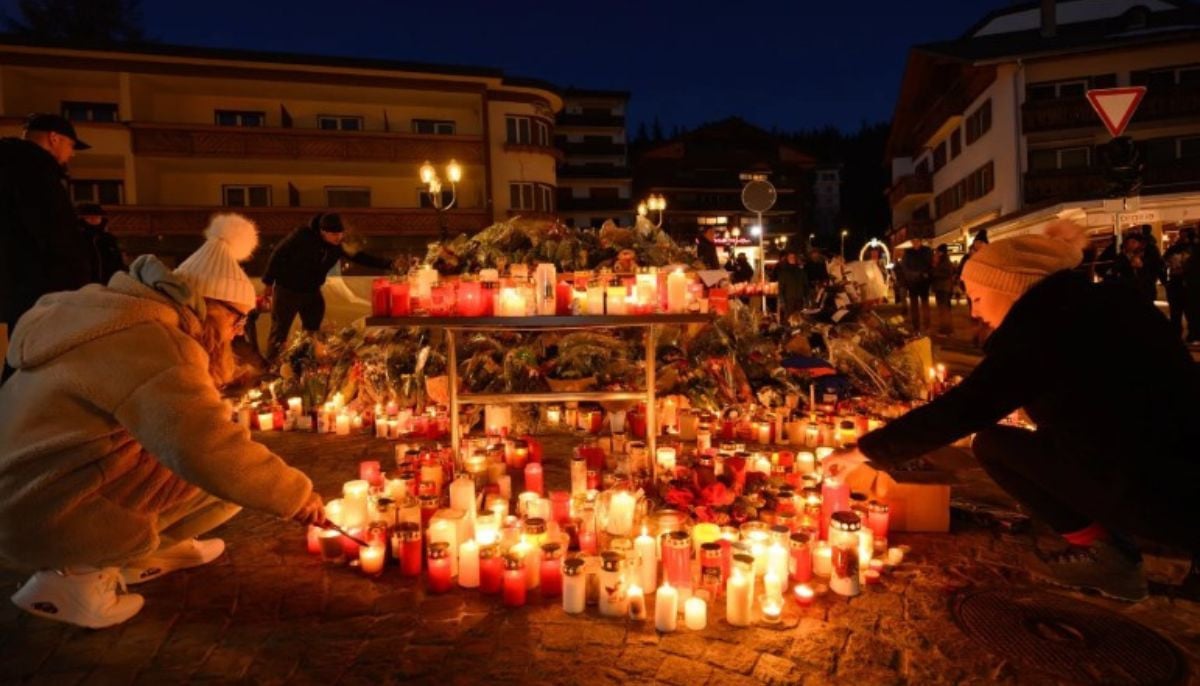 Switzerland announces one-time compensation for Swiss bar fire victims