
1.4-million-year-old fossils may belong to unknown human ancestor
These are among oldest-known human remains in Europe
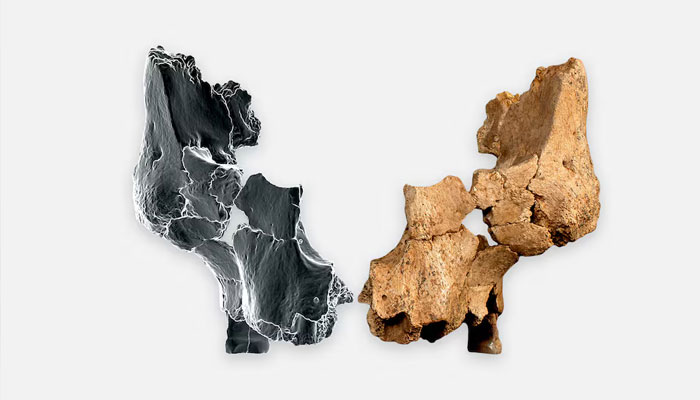
Scientists have discovered fossilised facial bones in Spain, dating back 1.1 to 1.4 million years, which may belong to an unidentified species in the human evolutionary lineage, Reuters reported.
The fossils, found at the Sima del Elefante cave near Burgos, include 80% of the left side of an adult’s face, comprising parts of the cheekbone, upper jaw, and nasal structure. These are among the oldest-known human remains in Europe.
Researchers have nicknamed the fossil "Pink" after Pink Floyd. Its facial features are more primitive than Homo antecessor, a species that lived in Western Europe around 850,000 years ago and had a modern-like midface. However, Pink had a more prominent and robust midface, showing similarities to but also differences from Homo erectus, which was the first human species to migrate out of Africa.
The team assigned the provisional name Homo affinis erectus to acknowledge its links to Homo erectus. "These findings open a new line of research into human evolution in Europe," said archaeologist Rosa Huguet of IPHES-CERCA, lead author of a study published in Nature.
Homo sapiens only appeared around 300,000 years ago, whereas Homo erectus first emerged in Africa 1.9 million years ago, with modern body proportions. Homo antecessor also had similar physical traits.
The Sima del Elefante site previously yielded a jawbone fragment dated to 1.2 million years ago, but its species was unclear. The Pink fossils, discovered in 2022, were found in a deeper, and therefore older, layer.
Archaeologist Xosé Pedro Rodríguez-Álvarez noted, "There are very few sites with human fossils from Europe’s earliest settlers."
Alongside Pink, researchers found stone tools and butchered animal bones. However, the incomplete nature of the fossils means Pink’s full face and gender remain undetermined. "There are many questions to be answered," said study co-author José María Bermúdez de Castro.





-
 Total Lunar eclipse: What you need to know and where to watch
 -
 Sun appears spotless for first time in four years, scientists report
 -
 SpaceX launches another batch of satellites from Cape Canaveral during late-night mission on Saturday
 -
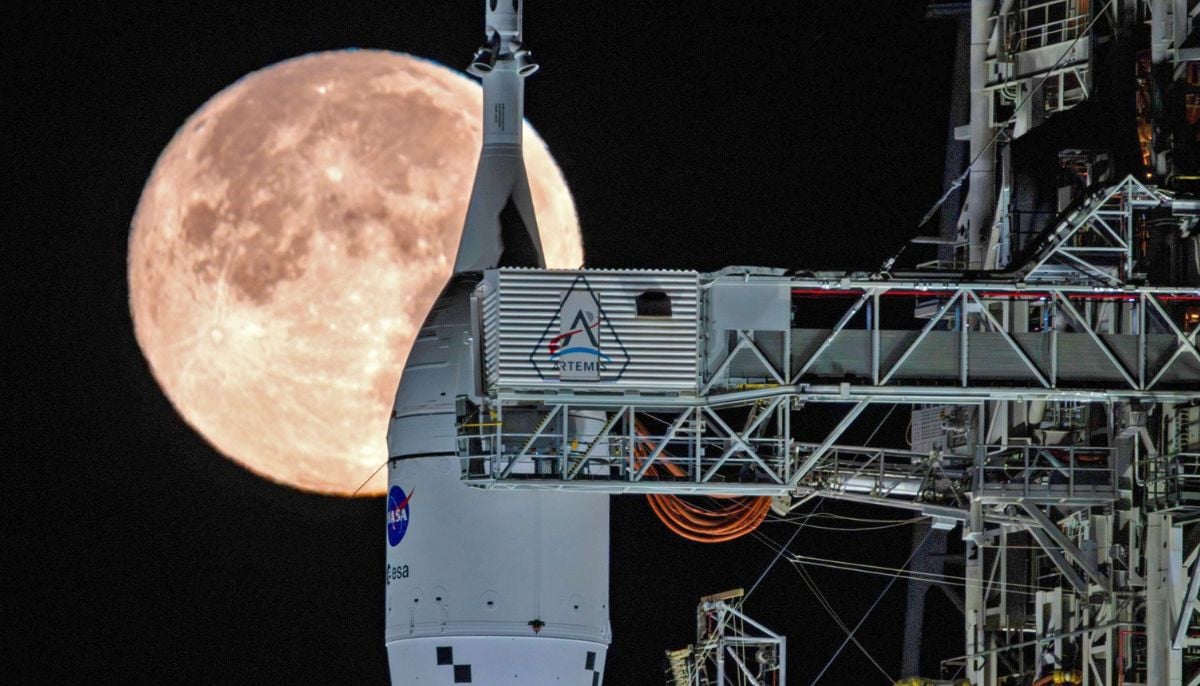 NASA targets March 6 for launch of crewed mission around moon following successful rocket fueling test
 -
 Greenland ice sheet acts like ‘churning molten rock,’ scientists find
 -
 Space-based solar power could push the world beyond net zero: Here’s how
 -
 Hidden ‘dark galaxy' traced by ancient star clusters could rewrite the cosmic galaxy count
 -
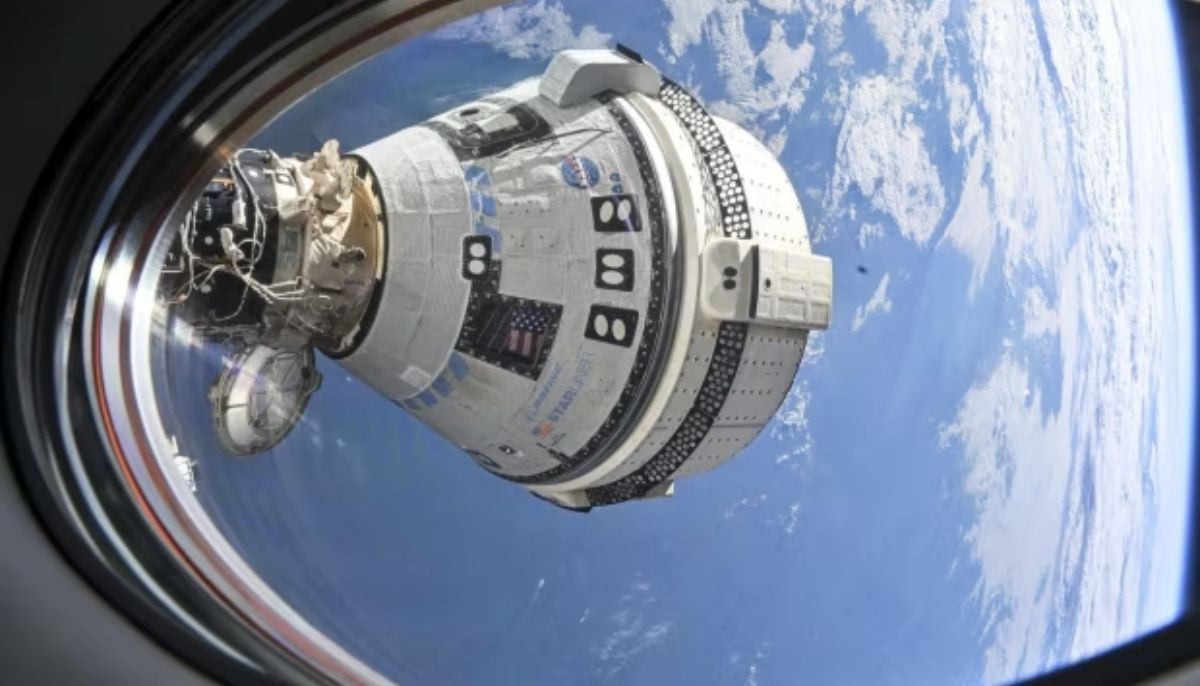 Astronauts face life threatening risk on Boeing Starliner, NASA says