
Firms face €35m fines in Spain for failing to label AI content
Since OpenAI launched ChatGPT in 2022, concerns over AI’s societal impact have surged

Spain’s government has approved a bill imposing heavy fines on companies that fail to label content created using artificial intelligence (AI), in an effort to curb the spread of "deepfakes."
The bill aligns with the European Union’s AI Act, which mandates stringent transparency measures for high-risk AI systems, Digital Transformation Minister Oscar Lopez told reporters.
"AI is a very powerful tool that can be used to improve our lives ... or to spread misinformation and attack democracy," he said.
Spain is among the first EU nations to implement the bloc’s regulations, which are considered more robust than the United States’ largely voluntary approach.
Lopez warned that anyone could be targeted by "deepfake" attacks—AI-generated videos, photos or audio clips presented as real.
The bill, which must pass through the lower house, categorises non-compliance as a "serious offence" punishable by fines of up to €35 million (£30m) or 7% of a company’s global annual turnover.
Since OpenAI launched ChatGPT in 2022, regulators have prioritised AI safety. The bill also prohibits subliminal AI techniques, such as sounds or images that manipulate vulnerable groups, citing concerns over chatbots promoting gambling or toys encouraging children to engage in dangerous challenges.
Additionally, the bill bars organisations from using AI to classify individuals based on biometric data or behavioural traits to assess benefits eligibility or criminal risk. However, authorities would still be permitted to use real-time biometric surveillance in public areas for national security.
The newly established AI supervisory agency, AESIA, will oversee enforcement, except in specific cases related to privacy, crime, elections, credit ratings, insurance, and capital markets, which will fall under sector-specific regulators.




-
 Sun appears spotless for first time in four years, scientists report
 -
 SpaceX launches another batch of satellites from Cape Canaveral during late-night mission on Saturday
 -
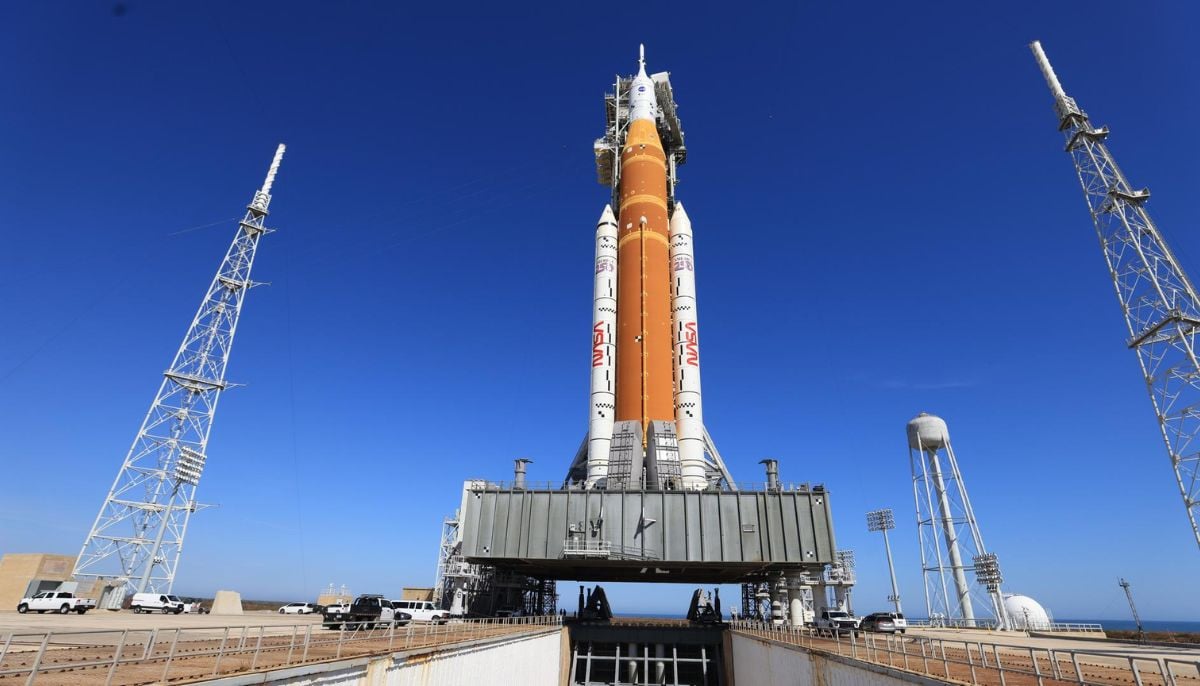
 NASA targets March 6 for launch of crewed mission around moon following successful rocket fueling test
 -
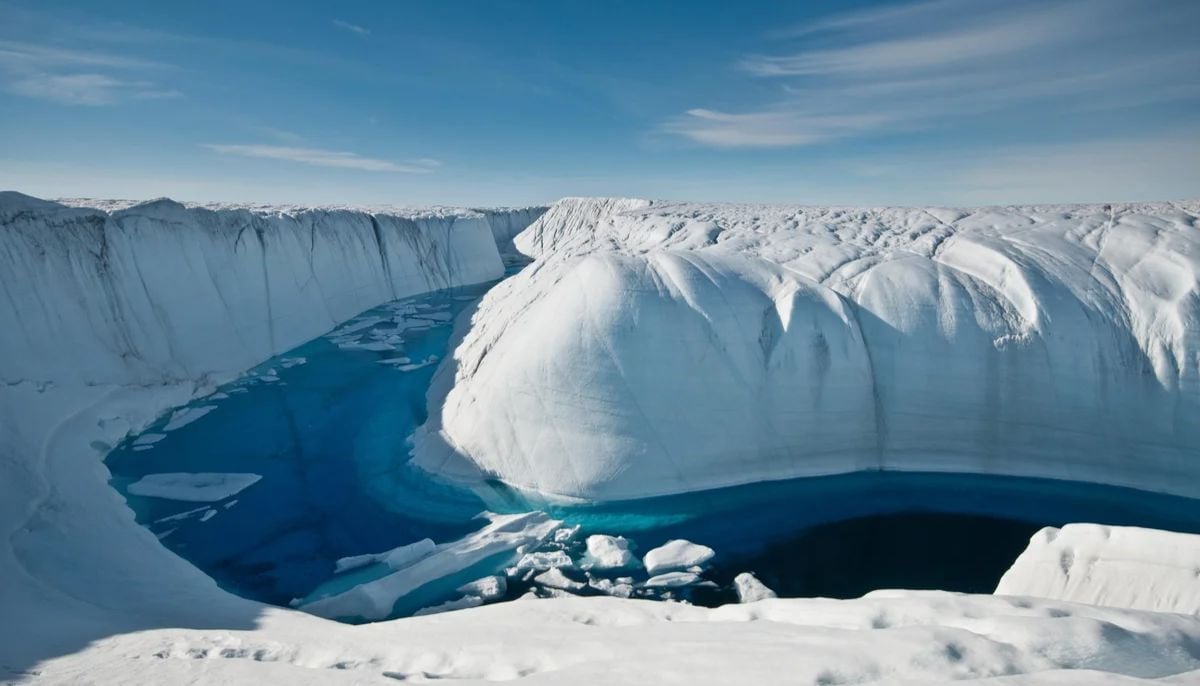 Greenland ice sheet acts like ‘churning molten rock,’ scientists find
 -
 Space-based solar power could push the world beyond net zero: Here’s how
 -
 Hidden ‘dark galaxy' traced by ancient star clusters could rewrite the cosmic galaxy count
 -
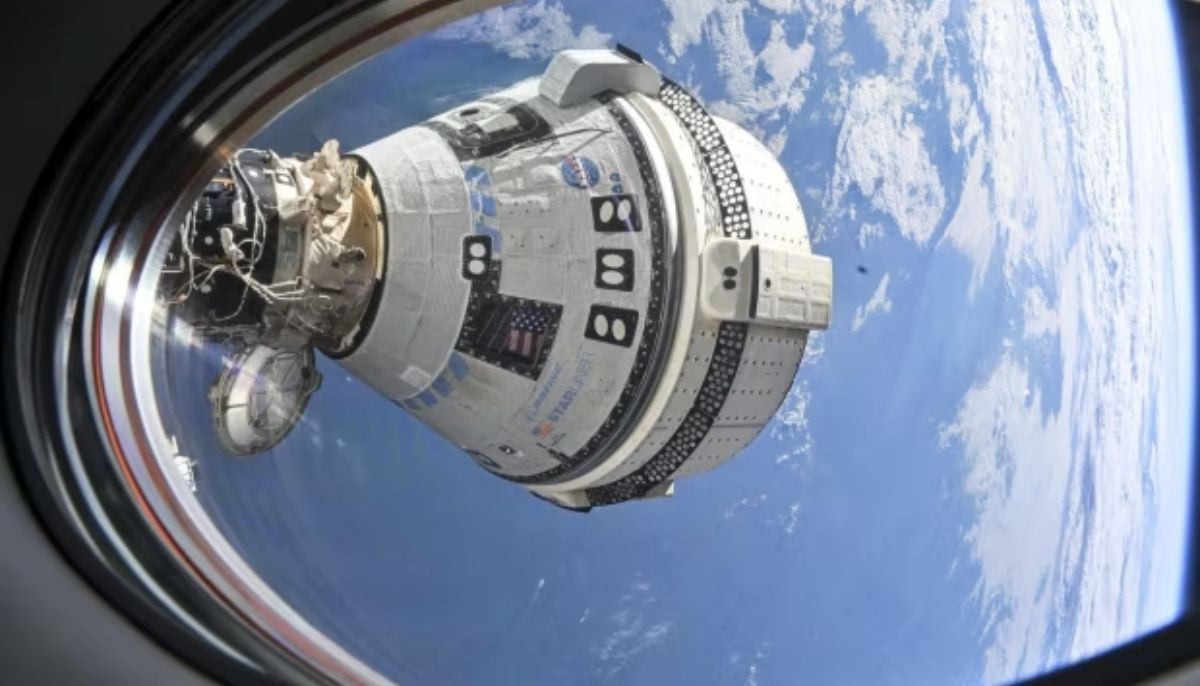 Astronauts face life threatening risk on Boeing Starliner, NASA says
 -
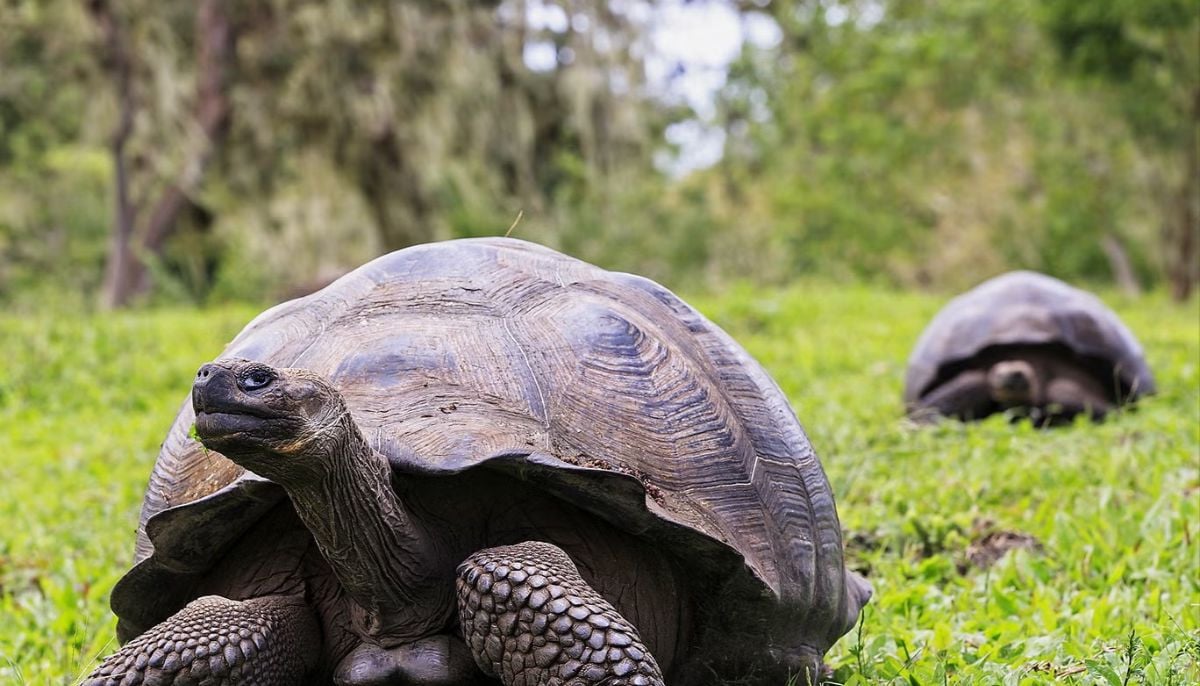 Giant tortoise reintroduced to island after almost 200 years