
Indian SC rules calling someone 'Pakistani' is not offence to religious sentiments
Supreme court says derogatory terms used to describe Muslims may be in poor taste but not offensive
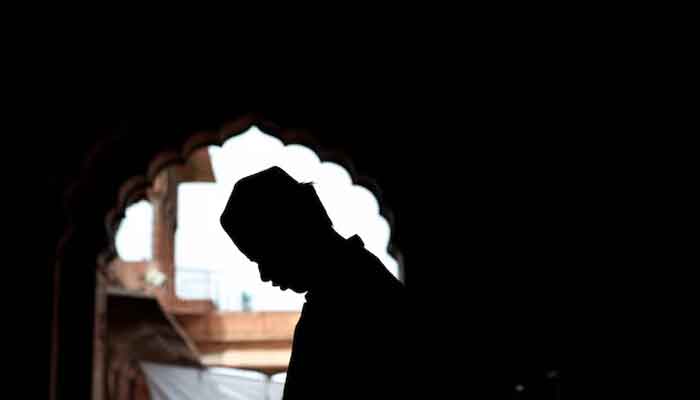
India's Supreme Court has ruled that calling someone “Pakistani” or “Miyan-Tiyan”, derogatory terms that are used to describe Muslims, may be in poor taste but does not amount to the offence of hurting religious sentiments.
While closing a case against a person accused of using the two terms against a government servant on February 11, the bench of Justices BV Nagarathna and Satish Chandra Sharma made the observation, reported Indian media.
In the sub-divisional office in Jharkhand’s Chas, the complainant used to be an Urdu translator and acting clerk for Right to Information.
Hari Nandan Singh, the person accused in the matter, had sought information under the Right to Information Act from the additional collector.
The complainant was directed by an appellate authority to personally provide the information sought under RTI to Singh.
According to the complainant, when he visited Singh’s home to hand over the information, Singh allegedly abused him by making a reference to his religion.
Moreover, according to the court order, Singh also allegedly “used criminal force against him while he was discharging his official duties, with the intention of intimidating and deterring him from performing his duties as a public servant”.
Under sections of the Indian Penal Code for hurting religious sentiments (section 298), insult with intent to provoke breach of peace (504), criminal intimidation (506), assault or criminal force to deter public servant from discharging duty (353) and voluntarily causing hurt (323), a first information report (FIR) was filed against Singh.
However, Singh filed an application for discharge under Section 239 of the Code of Criminal Procedure after the charge sheet was filed.
On charges deemed to be groundless, this provision allows magistrates to discharge accused persons.
The magistrate ruled that there was material available on record for framing charges against Singh in March 2022.
Citing lack of evidence, however, Singh was discharged by the magistrate for criminal intimidation and voluntarily causing hurt.
Singh’s challenge to the magistrate’s order was dismissed by the sessions court and the Rajasthan High Court.
Additionally, the Supreme Court ruled that because there had been no assault, the High Court should have discharged the appellant under section 353.
The court said that the appellant also could not be charged under section 504 because he had committed no act that may have provoked breach of peace.
The court added that while the remarks made by the appellant were in poor taste, it was not an offence under section 298.
As a result, the person accused in the matter was discharged of all charges.





-
 At least 30 dead after heavy rains hit southeastern Brazil, 39 missing
 -
 Japan plans missile deployment near Taiwan by 2031 amid growing regional tensions
 -
 Trump delivers longest State of Union address in history: Inside key details on economy, security and global strategy
 -
 Trump’s 2026 State of Union address: Inside key takeaways, major policy shifts & top announcements
 -
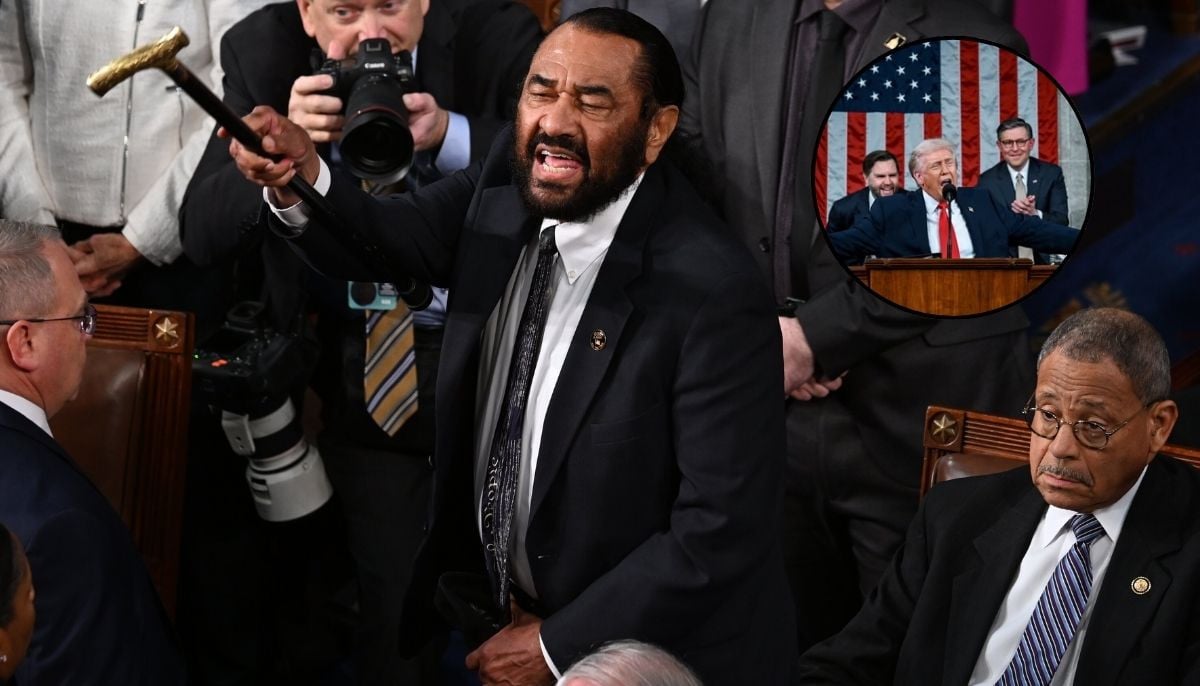 Rep. Al Green removed from House chamber during Trump’s State of Union address: Here’s what happened
 -
 Bill Gates breaks silence on Epstein links, ‘took responsibility for his actions’ during town hall meeting
 -
 President Donald Trump delivers the traditional State of the Union address to Congress
 -
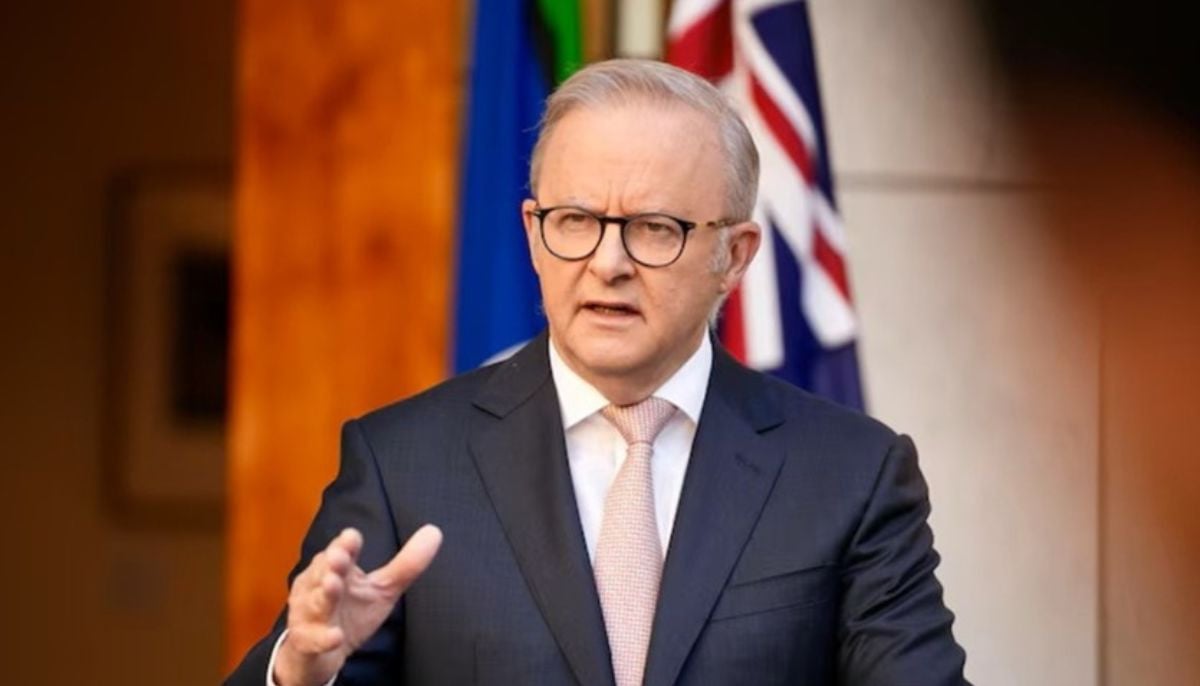 Australia: Bomb threat behind evacuation of PM Anthony Albanese linked to Chinese dance group